Key takeaways
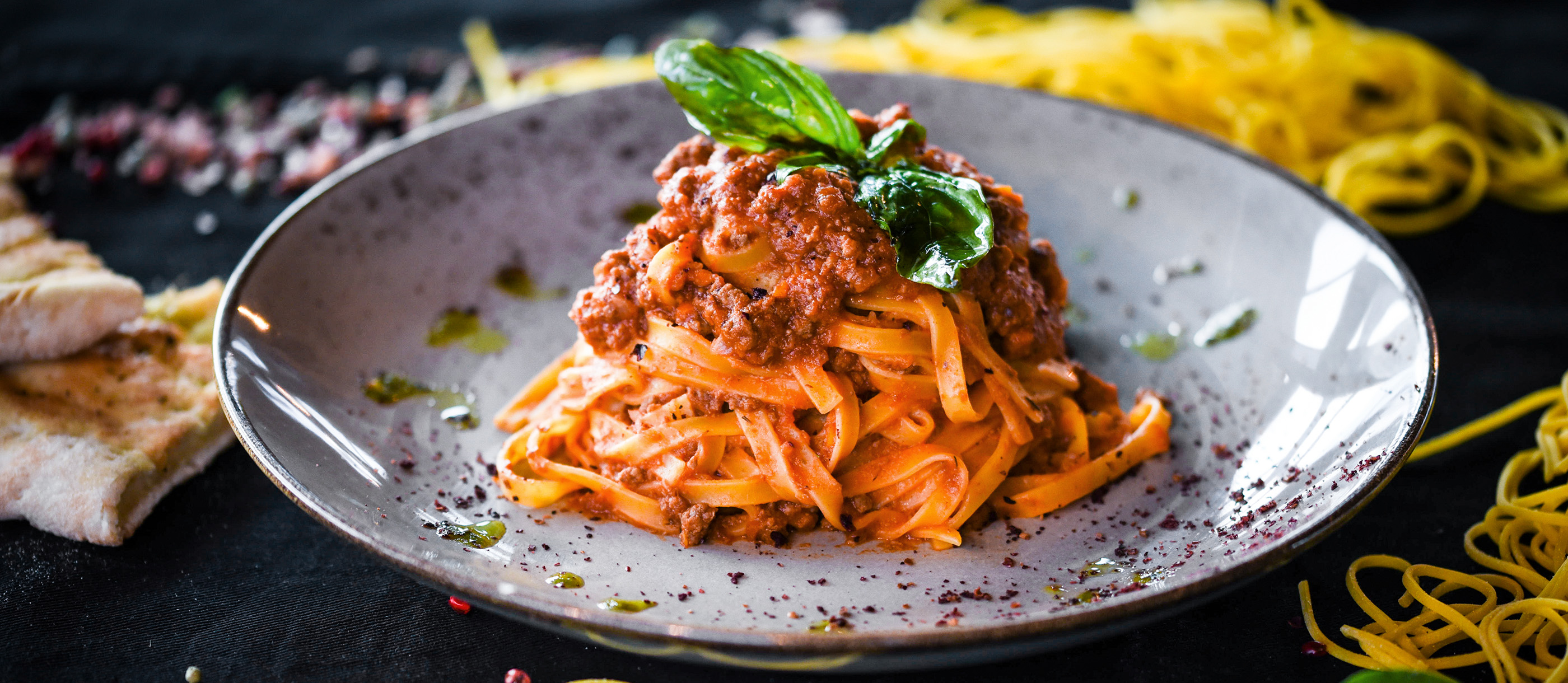
- Ragù is strictly served with broad tagliatelle ribbons or packed inside lasagna, never over spaghetti.
- Bologna's trademark stuffed pasta, tortellini, belongs in hot capon broth—not tossed in cream sauce.
- Osterie often handwrite menus in dialect or cursive, making a menu scanner like MenuDish handy for matching dishes to real photos before ordering.
- Friggione and squacquerone cheese are local sides that almost never appear on Italian menus outside Emilia-Romagna.
The Cardinal Rule: Spaghetti Bolognese Does Not Exist Here
In Emilia-Romagna, ragù alla Bolognese is serious business. It is a slow-simmered mixture of minced beef and pork, small bits of pancetta, carrot, celery, onion, tomato paste, white wine, and a splash of milk to soften the acidity. But you will never see it spooned over spaghetti at a traditional spot.
Dry spaghetti is too thin and slippery to hold the rich, coarse meat sauce. Instead, look under the Primi Piatti section for Tagliatelle al Ragù. The porous, hand-rolled fresh egg pasta catches every grain of meat. If you see Lasagna Verde alla Bolognese, order it—it features paper-thin sheets of spinach pasta layered with ragù and silky béchamel.
Stuffed Pastas: Tortellini vs. Tortelloni
One letter makes a world of difference when scanning a pasta menu in Bologna. Tortellini are small, bellybutton-shaped dumplings stuffed with raw prosciutto, pork loin, mortadella, and Parmigiano Reggiano. The classic way—and often the only accepted local way—to eat them is Tortellini in Brodo, floating in a golden, rich broth simmered from capon and beef.
Tortelloni, on the other hand, are much larger pasta pockets stuffed with ricotta cheese and parsley or Swiss chard. Because they carry a mild cheese filling, they are usually tossed in melted butter and sage (burro e salvia) or a light walnut sauce.
Antipasti: Mortadella, Tigelle, and Crescentine
Skip the generic bruschetta and order a board of local cured meats (tagliere di salumi). The star here is true Mortadella IGP, sliced whisper-thin, heavily scented with spices, and dotted with sweet pork fat cubes and pistachios.
It usually arrives alongside warm bread baskets filled with two regional specialties: Crescentine (puffy, deep-fried squares of dough, sometimes called gnocco fritto nearby) and Tigelle (small, thick, stamped round flatbreads). You split them open while piping hot and stuff them with cured meats or squacquerone, a fresh, runny, tangy cheese.
Beyond Pasta: Cotoletta and Friggione
If you make it to the main course (Secondi), watch for Cotoletta alla Bolognese. It starts as a veal cutlet pan-fried in lard or butter, topped with a slice of salty prosciutto di Parma and melted Parmigiano, then splashed with beef broth to fuse everything together.
For a side dish (Contorni), hunt down Friggione. It is a rustic, sweet-savory dip made by slow-cooking massive amounts of sliced white onions with peeled tomatoes and lard for hours. It tastes incredible smeared on grilled bread or paired with roasted pork.
Deciphering Handwritten Chalkboards and Daily Specials
The best neighborhood osterie do not print glossy English menus. They write daily offerings on a slate board hung on the wall, often in tight cursive Italian or Bolognese dialect. You might spot short twisted pasta shapes like Gramigna con Salsiccia (tiny hollow pasta tubes with crumbled sausage sauce) or seasonal Passatelli (pasta noodles made from breadcrumbs and egg forced through a perforated disk).
When faced with scribbled names you cannot decipher, opening MenuDish allows you to scan the menu text instantly. The app extracts the exact dish names and pairs them with matched photos of real food alongside ingredient breakdowns, so you never accidentally miss out on a rare house pasta.
Don't cook it — find it.
See every dish on any menu before you order. Scan, see the photo, check allergens & nutrition.