Key takeaways
- Most Cuban main courses automatically come with white rice, black beans, and fried plantains.
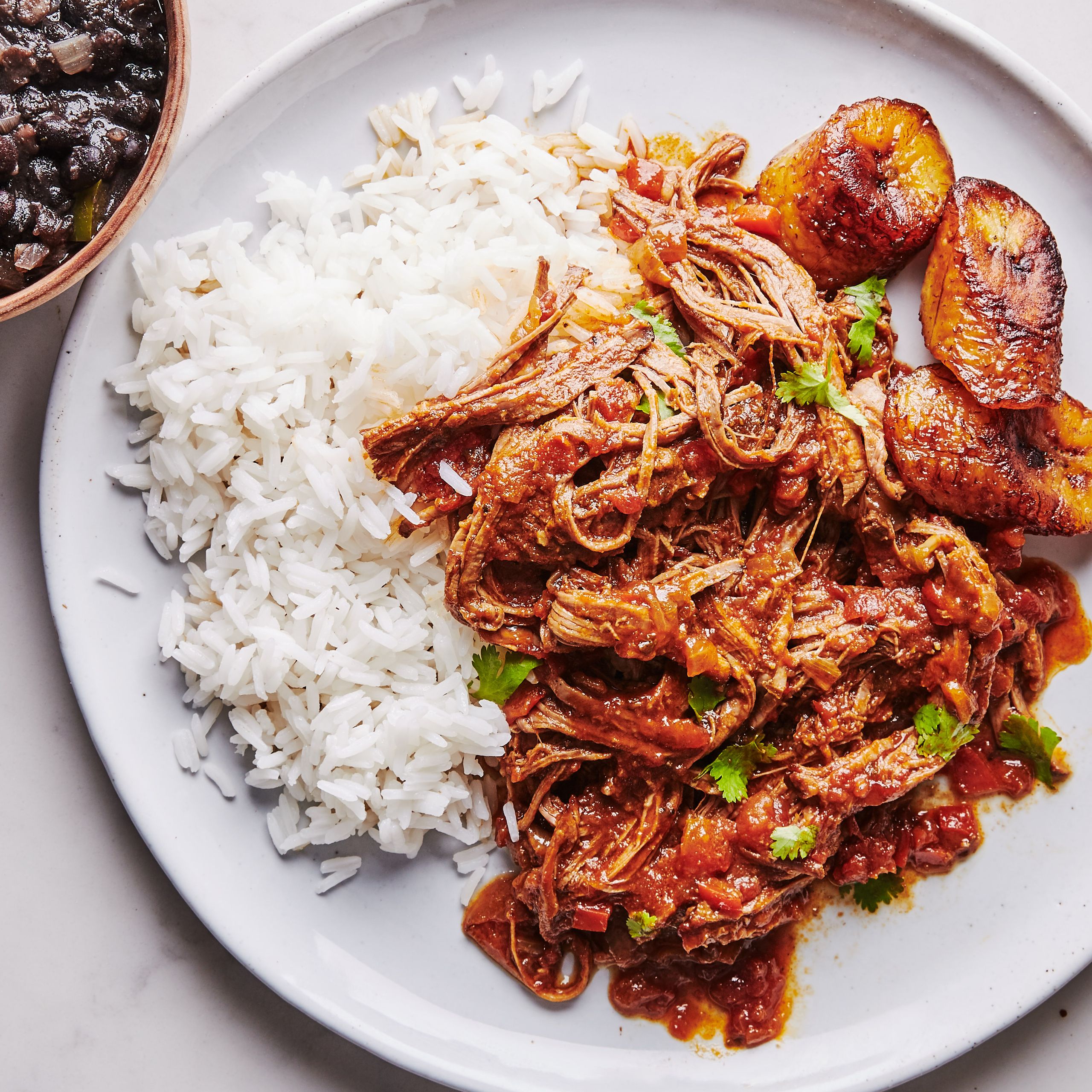
- Ropa vieja features shredded beef braised with peppers and onions, while vaca frita is crispy beef finished with lime and raw onions.
- The primary difference between a Cuban sandwich and a medianoche is the bread: classic crusty white bread versus soft egg bread.
- Maduros are sweet, soft fried yellow plantains, whereas tostones are crisp, salty double-fried green plantains.
The anatomy of a Cuban plate
If you sit down at a traditional Cuban diner or paladar, the menu can initially seem like a repetitive list of meats accompanied by the exact same sides. That is because Cuban dining revolves around a well-established triad: a seasoned protein, a sturdy starch, and something fried or stewed. Once you understand how these plates are constructed, the rest of the board opens up instantly.
Most entrees automatically include white rice and black beans (either served side-by-side or cooked together as moros y cristianos) alongside fried plantains. You will rarely need to order side dishes separately unless you want extra plantains or a simple avocado salad to break up the rich garlic lard notes.
Ropa vieja, picadillo, and slow-braised stars
The star of many Cuban menus is ropa vieja, which translates literally to 'old clothes.' Don't let the name deter you. It refers to flank steak slow-simmered in tomatoes, onions, sweet bell peppers, wine, and cumin until the beef pulls apart into tender ribbons. Good ropa vieja isn't dry; it rests in a light, savory gravy that coats every grain of rice on your plate.
Another daily staple is picadillo, ground beef cooked with tomatoes, garlic, raisins, and green olives. The combination of salty caper-like olives and sweet raisins gives it a distinct savory-sweet balance that catches first-timers off guard. If you prefer pork, look for lechón asado—marinated in bitter orange juice and plenty of garlic before being slow-roasted until the fat turns silky and soft.
Cubano vs. Media Noche: spot the difference
Ordering a sandwich seems straightforward until you notice four options that look almost identical. The classic sandwich cubano relies on crusty Cuban bread pressed thin with yellow mustard, roast pork, ham, Swiss cheese, and dill pickles. The heat melts the cheese while keeping the crust shatteringly crisp.
If you see a medianoche right below it, the ingredients inside are identical. The only difference is the bread. A medianoche uses a soft, sweet egg dough loaf—similar to brioche—that turns golden and slightly caramelized when toasted in the press. For a lighter bite, pan con timba pairs guava paste with white cheese, while pan con bistec stacks pan-seared thin sirloin with crispy potato sticks.
Maduros, tostones, and mariquitas
Plantains show up on Cuban menus under three distinct names, and ordering the wrong one changes your meal completely. Maduros are ripe yellow-black plantains pan-fried until caramel-dark, yielding a sweet, soft bite that balances salty pork. If you want crunch instead, ask for tostones, which are unripe green plantains twice-fried and smashed into savory disk-like chips meant for dipping in garlic sauce.
For a lighter snack while waiting for entrees, look for mariquitas or chicharritas de plátano. These are paper-thin plantain chips served salted in a basket, usually alongside a small bowl of citrusy garlic oil called mojo.
Cafecito culture and finishing sweet
Never skip coffee at a Cuban spot, but know what you are ordering before you ask for a regular coffee. A cafecito or café cubano is an espresso shot brewed directly with granulated sugar, creating a thick sweet foam on top called espumita. If you prefer milk, order a cortadito (espresso with equal parts steamed milk) or a café con leche (a larger cup served with hot milk, usually enjoyed with buttered Cuban toast at breakfast).
For dessert, skip the basic cakes and order flan de leche—a dense, silky baked egg custard soaked in dark caramel syrup—or tres leches cake if you prefer a sponge soaked in evaporated, condensed, and heavy milk.
How to parse Spanish dish names with photos
Cuban daily special boards often list regional cuts or colloquial names like vaca frita (crisped shredded beef with charred onions and lime) alongside bistec de palomilla (thinly pounded sirloin steak seasoned with mojo). When face-to-face with a dense printed Spanish menu or handwritten chalkboard, reading through every meat description can slow down ordering.
Using a visual menu tool like MenuDish allows you to scan the Cuban menu with your phone camera to see matched photos of dishes alongside clear ingredient lists and allergen tags, making it easy to tell a braised stew from a crispy fried cut before you order.
Don't cook it — find it.
See every dish on any menu before you order. Scan, see the photo, check allergens & nutrition.