Key takeaways
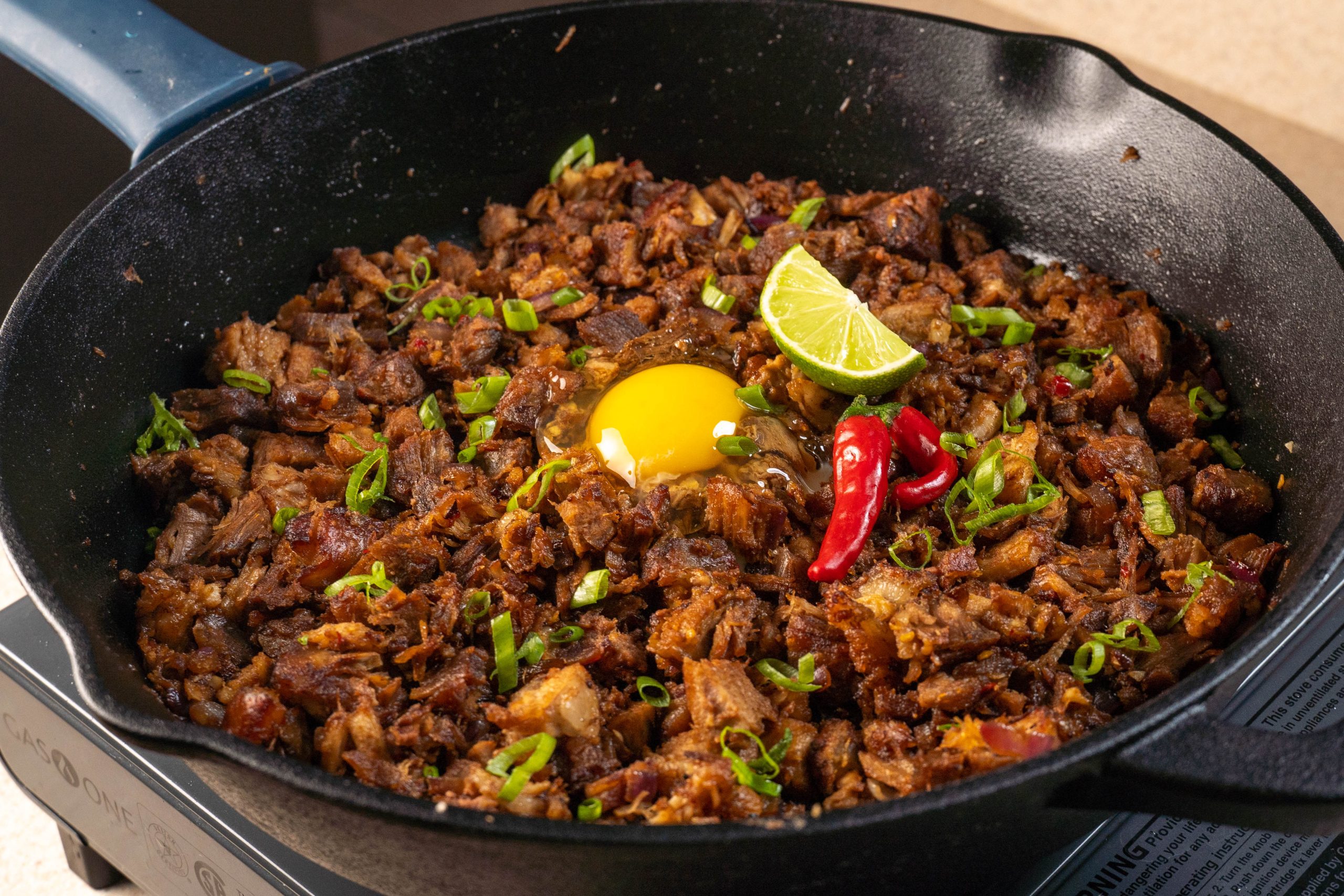
- Sisig is a Filipino dish made from finely minced grilled pork, onions, chili, and sour citrus served on a sizzling iron skillet.
- The dish originated in Angeles City, Pampanga, where cook Lucia Cunanan transformed discarded pork cuts into an iconic snack.
- Traditional recipes feature pig cheek, ears, and chicken liver, though modern versions use pork belly, milkfish, or tofu.
- Squeeze fresh calamansi over the hot skillet immediately upon arrival to balance the rich, fatty flavor.
The Sizzle That Announces Your Dinner
Across crowded eateries in Manila and Angeles City, waiters carry cast-iron plates spitting hot fat and fragrant steam straight to the table. The smell hits first: charred pork, sharp native citrus, sweet red onion, and pungent bird's eye chili.
For first-timers, the dish looks like a caramelized hash of finely chopped meat served piping hot. For locals, it is the undisputed king of pulutan—the savory, salty bites designed to pair with cold lager. Beneath its crispy exterior sits a masterclass in textural balance and zero-waste cooking that spans decades.
What Actually Goes Into Authentic Sisig
Traditional sisig relies on cuts that many Western kitchens ignore: pig face, ears, and jowls, often balanced with a touch of chicken liver. Crispy, chewy skin blends with tender, fatty cheek and rich, earthy liver to create a bite that is simultaneously crisp, gelatinous, and tender.
Preparing authentic sisig requires three distinct steps:
1. Boiling: The pork cuts boil with bay leaves, peppercorns, and salt until tender enough to break down the tough connective tissue.
2. Charcoal Broiling: The softened meat moves to an open hardwood grill until heavily charred and smoky, rendering skin crisp and fat fragrant.
3. Chopping and Sautéing: The grilled meat is finely minced, then tossed on a blazing iron plate with red onions, fresh siling labuyo (chili), and a generous splash of calamansi juice or sugarcane vinegar.
How a Pampanga Street Stall Changed Filipino Dining
The word sisig originally meant to sour something, referring to green papaya or guava steeped in vinegar and salt, documented as early as 1732 in Kapampangan dictionaries.
The modern sizzling version was born in the 1970s in Angeles City, Pampanga, right next to the former U.S. Clark Air Base. Kitchens on base regularly threw out pig heads. A local vendor named Lucia Cunanan—later known as the 'Sisig Queen'—bought these excess cuts, boiled them, charred them over charcoal, minced them fine, and served them on hot iron plates. Her open-air stall near the railroad tracks turned modest offal into an international culinary phenomenon.
The Mayo, Egg, and Protein Debates
Purists in Pampanga maintain that real sisig requires only pork, liver, onion, chili, and citrus—no mayonnaise, and rarely a egg. Yet across many Manila restaurants and overseas Filipino joints, topping sisig with a raw egg (which cooks against the scorching skillet) or drizzling it with creamy mayo is now common practice.
Menus today frequently list alternative proteins:
Bangus (Milkfish) or Tuna Sisig: Flaked fish replaces pork, offering a lighter plate seasoned with the same sour-spicy profile.
Chicken Sisig: Dark meat and crispy skin diced and seared, geared toward non-pork eaters.
Tofu Sisig: Crispy fried tofu cubes tossed with green chili, soy sauce, and mayonnaise, giving vegetarians a hearty alternative.
How to Eat Sisig Like a Local
When the sizzling platter lands at your table, work fast. Halve the fresh calamansi and squeeze the tart juice directly over the meat. If an egg sits in the middle, break the yolk immediately with your spoon and fork, tossing it through the sizzling pork until cooked.
Though conceived as a bar bite, most diners order sisig alongside garlic fried rice or steamed white rice. The bright citrus acid cuts through the pig cheek's rich fat, keeping every spoonful sharp and balanced.
If you are looking at a crowded Filipino menu filled with regional terms, using an app like MenuDish lets you scan the menu to match items with real dish photos, ingredient lists, and allergen markers so you know exactly which meats or sauces are included before ordering.
Don't cook it — find it.
See every dish on any menu before you order. Scan, see the photo, check allergens & nutrition.
Allergens: Pork, Soy, Eggs, Organ meat (liver). The MenuDish app flags these automatically for every dish it scans.