Key takeaways
- The 'corrientazo' or 'menú ejecutivo' is Colombia's daily set lunch—offering a soup starter, meat dish, rice, plantain, and fruit juice for a bargain price.
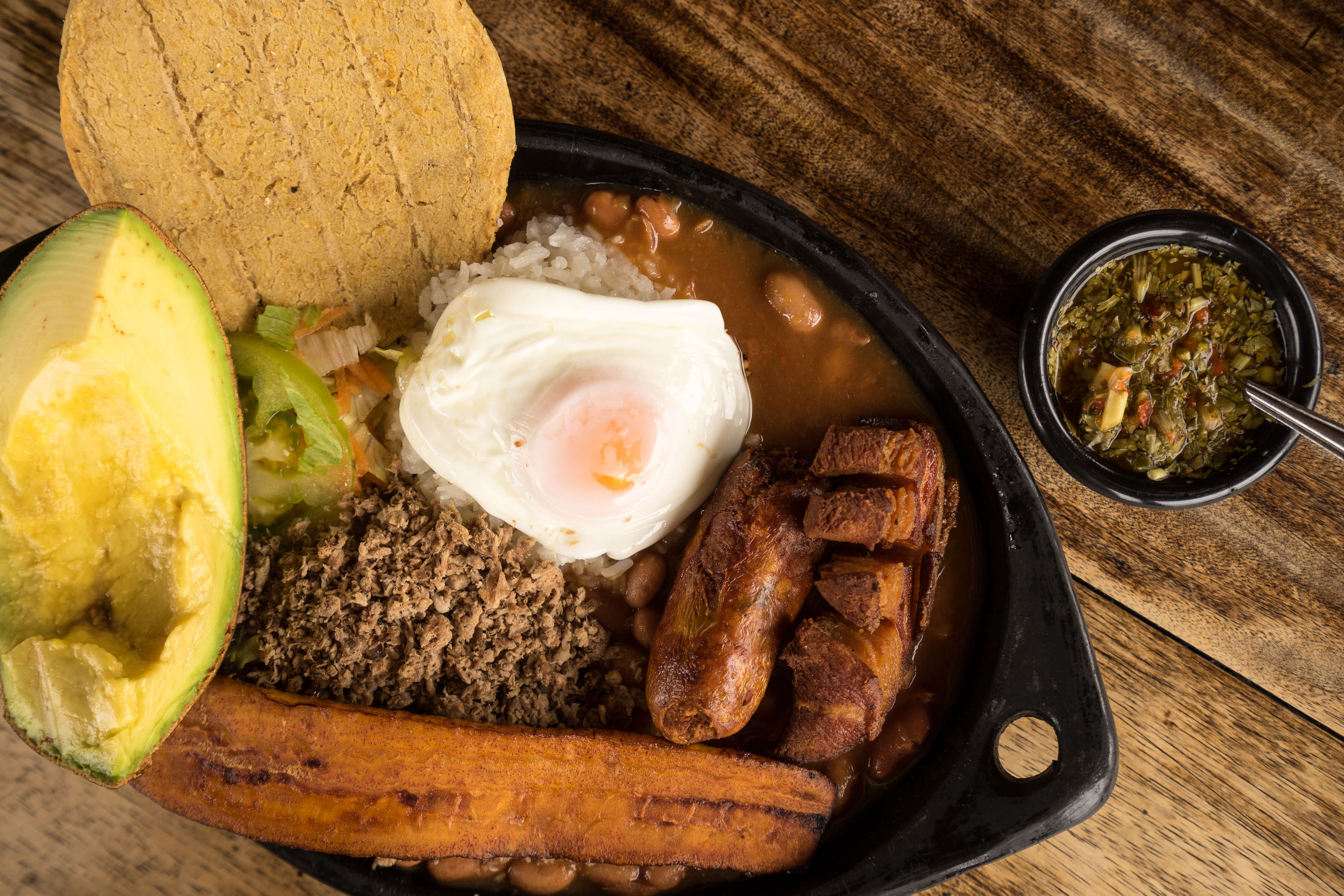
- Bandeja Paisa is a feast on a tray from Medellin featuring fried pork belly (chicharrón), ground beef, fried egg, chorizo, red beans, rice, and avocado.
- Soups like Ajiaco and Sancocho are entire main meals cooked with starchy tubers, herb-packed broths, and meat on the bone.
- Hogao—a sauce made of slow-cooked tomatoes, scallions, and garlic—is the universal condiment for plantains and arepas.
The midday rhythm: understanding the 'corrientazo'
Walk into almost any Colombian restaurant between noon and 2:30 PM and you will see the same dance. Office workers, taxi drivers, and families are all eating the corrientazo (sometimes listed as almuerzo ejecutivo or corriente). This is the traditional worker's lunch—a fast, balanced, and remarkably affordable set meal designed to keep you full until dinner.
A proper corrientazo always arrives in two distinct acts. First comes a piping hot bowl of soup, often sopa de mondongo (tripe and root vegetable stew) or a simple corn and potato broth. Next comes a broad plate loaded with a protein of your choice (usually grilled beef steak, pan-seared chicken breast, or fried pork chop), accompanied by white rice, red or black beans, a fried egg, and a slice of sweet fried plantain (tajada) or a crispy green plantain disc (patacón). A glass of fresh fruit juice (jugo natural) in water or milk completes the order without any extra charge.
The mountain monster: Bandeja Paisa decoded
If there is one iconic platter that dominates Colombian restaurant menus outside the daily lunch hour, it is the Bandeja Paisa. Originating from the coffee-growing region of Antioquia, this dish was tailored for field laborers who needed thousands of calories to hike up steep mountain slopes.
Ordering a Bandeja Paisa means committing to a massive oval platter holding at least nine distinct components: cooked red beans seasoned with pork, white rice, ground beef (carne molida), a link of spiced garlic chorizo, a strip of chicharrón with crispy skin and tender pork fat, a fried egg with a soft yolk, a wedge of ripe avocado, a small white corn cake (arepa), and a sweet fried plantain. Eating one is an exercise in pacing. Break off a bit of crispy chicharrón, dip it into the bean gravy, and mix a little egg yolk into the rice with each bite.
Ajiaco, Sancocho, and soups that stand alone
In Colombian food culture, soup is never just a light starter. High in the Andean capital of Bogotá, the cold mountain air birthed Ajiaco Santafereño. This thick, fragrant soup combines three distinct varieties of potato (criolla, sabanera, and pastusa) that break down to thicken the chicken broth. It gets its signature earthy aroma from guascas, a native wild herb. A proper bowl of Ajiaco comes served with shredded poached chicken, half an cob of sweet corn, a dollop of heavy cream, salty capers, and a whole avocado on the side to stir in at your table.
Along the coasts and warm river valleys, Sancocho takes center stage. This hearty broth is built around thick cuts of beef, chicken, or whole fish simmered alongside huge chunks of green plantain, yucca root, corn on the cob, and potatoes. If you're scanning a handwritten chalkboard menu and see Sancocho de Gallina, snap it up immediately—it means old egg-laying hens were simmered for hours to create a deeply rich, golden bone broth.
Arepas, patacones, and hogao: side dish shorthand
When reading the Acompañamientos (sides) section, you will spot terms that repeat across every single meal category:
Hogao: The cornerstone savory sauce of Colombia. It consists of green scallions, ripe tomatoes, garlic, and cumin simmered slowly in oil until rich and tender. You will get it spooned over boiled yucca, stirred into beans, or as a dip for plantains.
Patacón con Todo: Flattened, twice-fried green plantain rounds served as a broad base topped with shredded beef, chicken, melted cheese, and hogao. It functions almost like a crispy Colombian tostada.
Arepa de Choclo: Unlike the dry white corn cakes served alongside main dishes as bread, these thick sweet corn pancakes are studded with whole corn kernels, cooked on a hot griddle, and topped with a thick slab of salty fresh cheese (queso campesino).
Seeing past regional names with MenuDish
Because regional Colombian cooking relies on local cuts of meat and tubers that rarely translate directly to English—like sobrebarriga (flank steak braised in tomato broth) or yuca al vapor—deciphering a printed menu can get tricky quickly. When you run into handwritten specials board or regional slang, opening MenuDish lets you scan the menu with your camera to view matched food photography and broken-down ingredient lists. You will see what dishes actually look like before ordering, so you can easily spot the difference between a crispy pork skin chicharrón and a stewed beef brisket.
Juices, postobón, and sweet finishes
Colombian meals are rarely paired with plain water. The Jugos Naturales section features fresh tropical fruits blended to order. You will be asked "¿En agua o en leche?" (in water or milk?). Tart fruits like Lulo (citrusy nightshade fruit), Maracuyá (passionfruit), and Mora (blackberry) are fantastic in water, while rich fruits like Guanábana (soursop) shine blended with cold milk.
For dessert, look for Postre de Natas (a traditional cooked milk curd dessert scented with cinnamon and rum) or a classic slice of Arequipe con Queso—rich dulce de leche served side-by-side with salty white cheese for that classic Latin balance of sweet and savory.
Don't cook it — find it.
See every dish on any menu before you order. Scan, see the photo, check allergens & nutrition.