Key takeaways
- Espetos are whole sardines skewered on cane reeds and roasted over open olive-wood fires inside a sand-filled boat.
- The label S/M stands for según mercado, meaning market price based on raw weight.
- Rice dishes like Arroz Marinero or Fideuá almost always require a minimum order of two portions.
- Whole fish baked in sea salt (pescado a la sal) is cracked open and filleted right at your table.
The Wooden Boat in the Sand
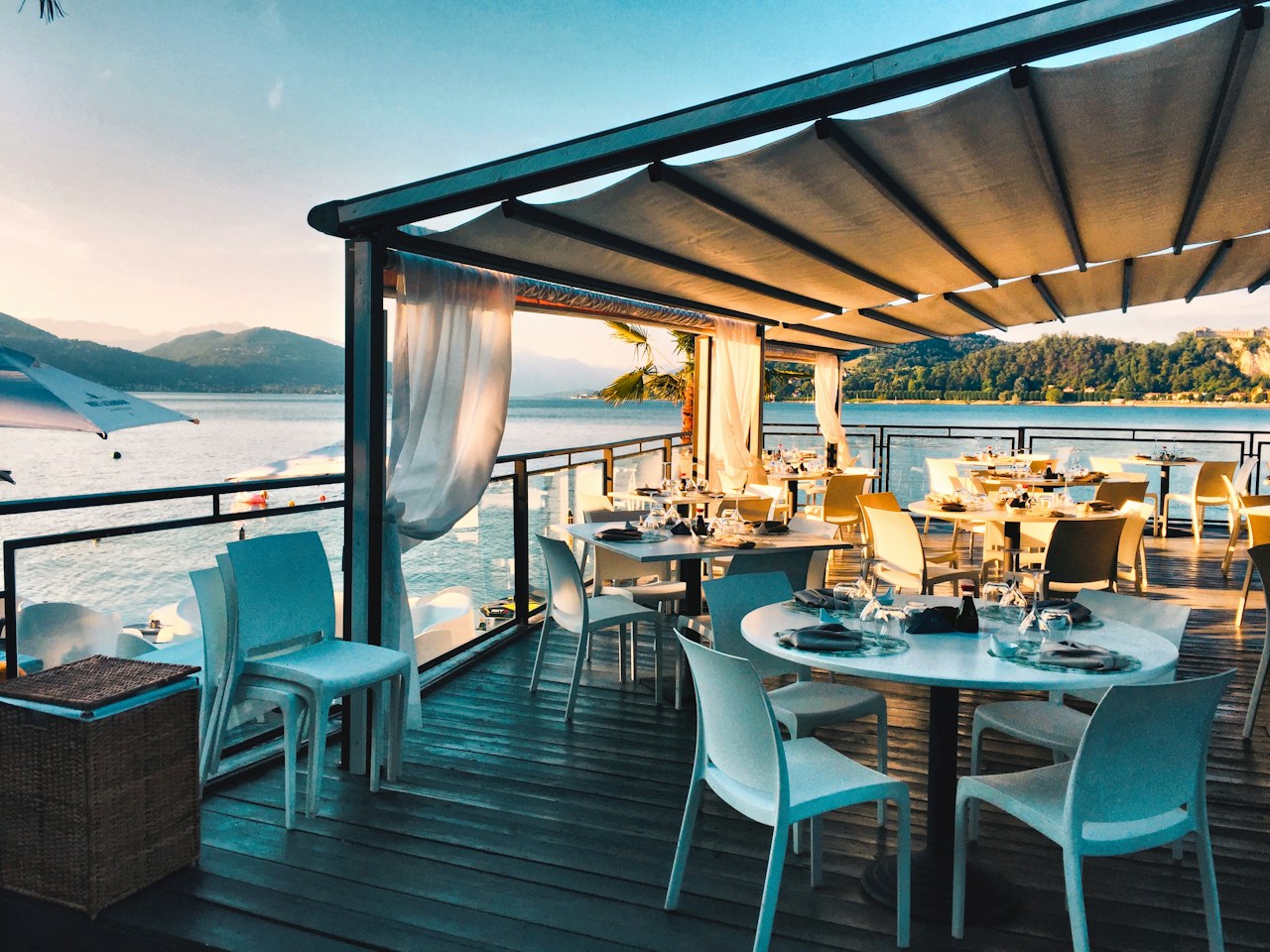
A true chiringuito is not just any restaurant near a beach. Originally simple wooden huts serving local fishermen along the southern coast of Spain, modern chiringuitos range from basic plastic-table joints to sleek open-air pavilions. The dead giveaway of a classic spot is a small wooden boat filled with sand sitting near the kitchen, stacked with glowing olive-wood logs.
If you see that fire pit, look for the espetero—the cook tending rows of fresh fish pierced onto split bamboo or cane skewers stuck upright into the sand banked around the coals. That open fire is where the best food on the menu gets cooked.
The Espeto Rule: Why Sardines Taste Best Near the Water
The signature order of Malaga and the Costa del Sol is the espeto de sardinas. Six or seven fat, fresh sardines are threaded onto a cane stick, seasoned generously with coarse sea salt, and leaned toward the olive embers. The skin chars while the flesh steams inside its natural oils.
Local custom dictates that you only order sardines during months without an R (May through August) because the coastal waters are warm and the fish carry more fat. Eating them requires no fork: grab the fish by head and tail, bite the dark meat off one side, flip it over, and leave the spine attached to the stick.
Price Per Kilo and Pescado a la Sal
When you see s/m next to a whole sea bass (lubina) or sea bream (dorada), it stands for según mercado (market price). Chiringuitos usually charge whole fish by raw weight, listed either per 100 grams or per kilogram on the bill.
If you order a whole fish a la sal, the kitchen buries the catch under a thick shell of wet sea salt before sliding it into the oven. The salt hardens into a protective dome that seals in juices without making the meat salty. Your waiter will bring the white salt mound to your table, crack it open with a spoon, and pull away clean fillets in front of you.
Ordering Arroz: Why You Can't Order for One
Beachfront menus feature wide metal pans of arroz marinero (seafood rice), arroz negro (tinted dark with squid ink), and fideuá (short noodles cooked in rich fish stock). Almost every chiringuito prints a firm rule next to these dishes: mínimo 2 personas.
This is not a ploy to boost your bill; rice pans require a specific shallow depth to absorb broth evenly while forming the crispy bottom crust called socarrat. Cooking a single portion in a wide pan burns the grain. Pick one style of rice for the table, and remember that fresh rice takes 25 to 30 minutes to prepare from scratch.
Fritura Malagueña and Daily Catches
Crispy fried seafood forms the core of casual coastal lunches. A shared platter of fritura malagueña arrives hot with flash-fried anchovies (boquerones), squid rings (calamares), and tiny cuttlefish (puntillitas). Top spots use clean olive oil at high temperatures so the flour coating stays wafer-thin.
Consider ordering boquerones al limón for fresh anchovy fillets marinated in citrus before frying. If you are unsure what local specialties like cazón en adobo (spiced dogfish) look like when served, using MenuDish helps match the Spanish text to real dish photos so you know whether you are getting boneless bites or whole fried fish.
Tinto de Verano and the Post-Meal Sobremesa
While visitors frequently request pitchers of sangria, beach regulars sip tinto de verano—equal parts young red wine and sweet sparkling lemon soda served over ice with a slice of orange. It is cold, lighter, and far less heavy under hot sunlight.
When your plates are cleared, do not expect an immediate bill. Chiringuitos encourage a leisurely sobremesa—staying at the table to talk long after eating. Order a small glass of ice-cold pacharán or herbal liqueur, soak in the shade, and take your time returning to your towel.
Don't cook it — find it.
See every dish on any menu before you order. Scan, see the photo, check allergens & nutrition.