Blog Dish guide What is Pastitsio? Your Guide to Greece's Baked Pasta Classic
Dish guide 🌐 Greek

What is Pastitsio? Your Guide to Greece's Baked Pasta Classic

You sit down at a crowded taverna in Athens and watch a server walk past with a thick, golden-topped brick of food that looks like lasagna. But when you lean in, the smell isn't garlic and basil—it's sweet cinnamon, cooked butter, and aged sheep cheese. That dish is pastitsio, the undisputed king of Greek baked pasta.

What is Pastitsio? Your Guide to Greece's Baked Pasta Classic
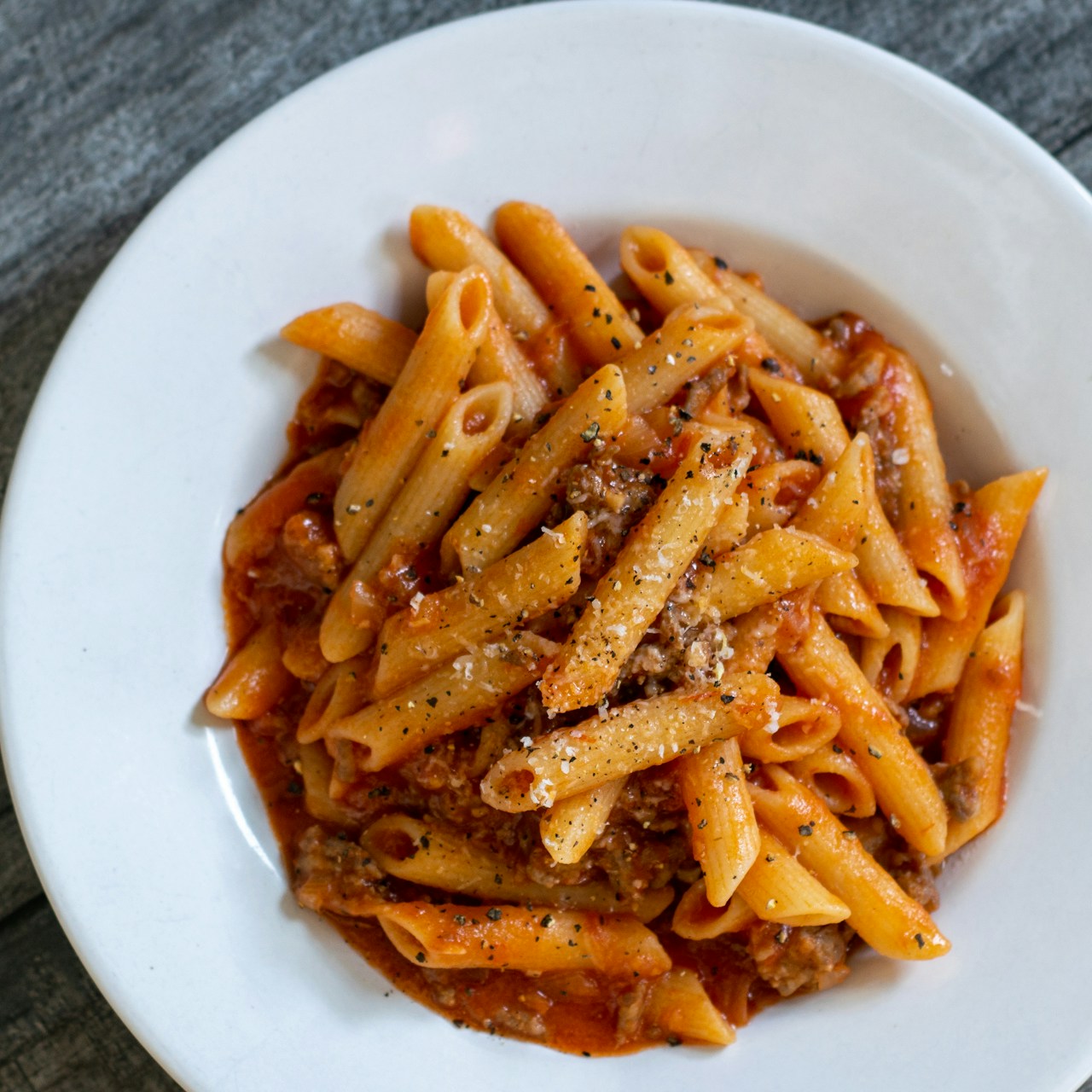
What is Pastitsio? Your Guide to Greece's Baked Pasta Classic — Photo via MenuDish.

Key takeaways

  • Pastitsio is a layered Greek casserole made of tubular pasta, sweet-spiced ground meat, and a thick blanket of egg-rich bĂ©chamel.
  • The meat ragĂč is scented with cinnamon, cloves, and allspice, setting it far apart from Italian lasagna.
  • Unlike moussaka, which relies on fried eggplant and potatoes, pastitsio is strictly pasta-based.
  • Tavernas usually serve pastitsio warm or at room temperature so the layers hold their shape when cut.

The architecture: Long pasta, spiced meat, and a heavy crown of béchamel

At first look, pastitsio (pronounced pah-STEE-tsee-oh) draws immediate comparisons to Italian lasagna or al forno dishes. But the construction is entirely unique to the Eastern Mediterranean. The base consists of long, tubular pasta—traditionally a specialty shape labeled pastitsio No. 2, though bucatini or penne often stand in. The noodles are mixed with egg whites and grated cheese so they bind into a solid foundation.

Over the pasta sits a rich ragĂč made from ground beef or lamb. Rather than heavy tomato and garlic, Greek cooks simmer the meat with grated onion, red wine, tomato paste, and a distinct sweet-spice combination of cinnamon, allspice, and clove. The top layer is a thick sheet of bĂ©chamel sauce, enriched with egg yolks and sharp grated cheeses like kefalotyri or kasseri, which bakes into a velvety custard crust.

Pastitsio vs. Moussaka: Clearing up the confusion

Travelers constantly mix up pastitsio and moussaka on Greek menus because both come out of the kitchen as thick, square-cut slabs covered in browned béchamel. The difference comes down to what lies beneath that white topping.

Moussaka replaces the pasta entirely with layers of fried eggplant, potatoes, and sometimes zucchini. Pastitsio is built strictly on long pasta noodles. If you are reading a menu abroad written in unfamiliar script, using an app like MenuDish to match menu items with real food photos lets you spot the distinct pasta tubes in pastitsio before you place your order.

Sweet spice meets savory meat: What pastitsio actually tastes like

The flavor profile of pastitsio catches many first-timers by surprise. The first bite offers a contrast between the silkiness of the egg-rich béchamel and the savory, firm chew of the pasta. The cheese on top adds a salty, slightly nutty tang that cuts through the cream.

The meat layer brings warmth rather than heat. The cinnamon and clove don't make the dish taste like dessert; instead, they round out the savory meat, much like the spice profile found in Cincinnati chili or traditional Mediterranean stews. It is dense, deeply satisfying, and far less acidic than tomato-heavy Italian baked pastas.

How to order and eat pastitsio like a local

If your pastitsio arrives warm rather than piping hot, don't send it back to the kitchen. Greek home cooks and taverna chefs purposely allow the tray to rest for 20 to 30 minutes after baking. If served fresh out of the oven, the béchamel layer runs everywhere and the pasta collapses. Rested pastitsio holds clean, neat edges.

Pastitsio is heavy, so locals pair it with a bright, acidity-cleansing side dish. A classic Horiatiki (Greek village salad with cucumbers, tomatoes, olives, and feta dressed in olive oil) cuts through the rich cream sauce perfectly. Sip a crisp dry white wine or a lightly chilled Greek red alongside it.

Don't cook it — find it.

See every dish on any menu before you order. Scan, see the photo, check allergens & nutrition.

đŸŒ±

Allergens: Gluten/Wheat, Milk/Dairy, Eggs. The MenuDish app flags these automatically for every dish it scans.
Frequently asked questions

Is pastitsio just Greek lasagna?
While both are layered baked pasta dishes, pastitsio uses tubular pasta instead of flat sheets, features a meat sauce spiced with cinnamon and allspice, and is topped with a thick layer of egg-enriched béchamel instead of melted mozzarella and ricotta.
Does authentic pastitsio contain cinnamon?
Yes. Cinnamon is a fundamental spice in Greek meat ragĂčs, giving pastitsio its signature aromatic flavor without making the dish sweet.
What kind of meat is used in pastitsio?
Traditional recipes use ground beef, ground lamb, or a blend of both simmered with onions, wine, tomatoes, and warm spices.
Why is pastitsio served warm instead of piping hot?
Allowing the dish to rest after baking lets the egg-based béchamel firm up into a silky custard layer. Serving it scalding hot causes the layers to slide apart.

Keep reading

Related dish guides

What is Ají de Gallina? Your Guide to Peru's Creamy Yellow Chili Stew
Dish guide 6 min

What is Ají de Gallina? Your Guide to Peru's Creamy Yellow Chili Stew

You sit down at a neighborhood Peruvian restaurant, skip past the ceviche, and spot a dish listed simply as 'Ají de Gallina.' The menu describes it as shredded chicken in a yellow chili sauce, served with potatoes, rice, and a black olive. What lands on your table looks less like a fiery chili bowl and more like a rich, golden gravy—velvety, nutty, and fragrant with parmesan and tropical peppers.

Read more
How to Read a Spanish Chiringuito Menu: Sardine Skewers, Salt Crusts, and Rice Rules
Menu tips 6 min

How to Read a Spanish Chiringuito Menu: Sardine Skewers, Salt Crusts, and Rice Rules

You sit down on a plastic chair five steps from the Mediterranean, feet still dusty with sand, and the waiter hands you a grease-stained laminate sheet. Half the items have handwritten prices under S/M, and somewhere near the back garden, wood smoke is blowing past your table. Dining at a Spanish chiringuito looks relaxed, but ordering can feel surprisingly tricky if you do not know how fish pricing works or why the kitchen refuses to cook paella for a party of one.

Read more
How to Read a Japanese Yakiniku Menu: Beef Cuts, Dips, and Grill Etiquette
Menu tips 7 min

How to Read a Japanese Yakiniku Menu: Beef Cuts, Dips, and Grill Etiquette

You sit down in a smoky booth in Tokyo, handed a laminated menu packed with kanji, diagrams of cows, and mystery cuts labeled in katakana. The table next to you is searing thin sheets of marbled beef over glowing charcoal, while you try to figure out whether karubi or harami is the cut you actually want.

Read more

Ready to order smarter?

Never order a mystery dish again.

Scan the menu, see real photos for every dish, and check ingredients, allergens and nutrition — all in a couple of seconds.

What is Pastitsio? Your Guide to Greece's Baked Pasta Classic in the MenuDish app
What is Pastitsio? Your Guide to Greece's Baked Pasta Classic