Key takeaways
- Coperto is a legal cover charge per person that includes bread and table setting, separate from tipping.
- Italian meals follow a specific order: antipasti, primi (carbs), secondi (proteins), contorni (sides), and dolci.
- You do not need to order every course; selecting two items total is standard practice for locals.
- Side dishes like vegetables or potatoes are rarely included with main protein courses and must be ordered from the contorni section.
- Cappuccino is viewed strictly as a morning drink, while a plain espresso is customary after meals.
What is that extra line item? Coperto explained
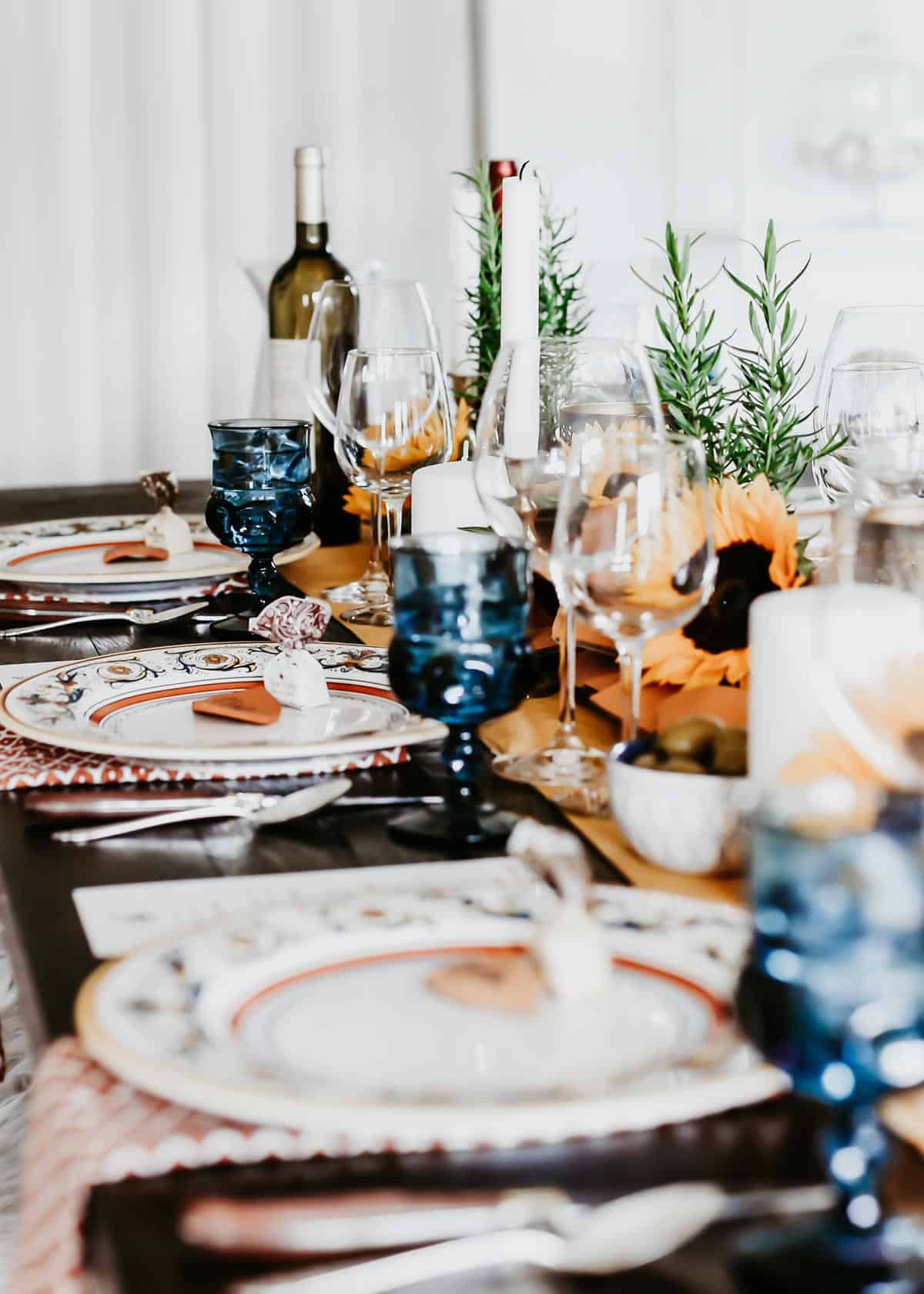
When the bill arrives, you might spot a fee of €1.50 to €3.50 per person labeled coperto. It is easy to assume this is an unexpected service markup, but coperto is a legal, long-standing custom in Italy. Dating back to medieval taverns where travelers paid for eating their own food at an innkeeper's table, today it covers the bread basket, cloth napkins, and table setting.
You may also see pane listed separately on rare occasions if bread is charged per basket. Unlike North American tipping culture, server gratuity is not built on high percentages; leaving a couple of small coins per diner is plenty if service was attentive.
The traditional Italian sequence: From antipasti to dolci
Italian restaurant menus follow a rhythmic sequence designed around light starters, hearty carbohydrates, lean proteins, and sweet finishes. Understanding the main divisions saves you from accidental food overload:
Antipasti: Cold or hot appetizers like prosciutto di Parma with melon, caprese salad, fried artichokes, or crostini. These arrive first to wake up the palate.
Primi: The primary starch course. Expect dry and fresh pastas, slow-stirred risottos, potato gnocchi, or rustic bean soups like pappa al pomodoro.
Secondi: Main meat or fish dishes. This could be a grilled sea bass, veal cutlets cooked in white wine, or roasted pork shank.
Contorni: Vegetables and starches meant to accompany your main. Since secondi plates arrive strictly plain, you order sides like sautéed chicory, grilled zucchini, or rosemary potatoes separately.
Dolci: House desserts including tiramisu, panna cotta, torta della nonna, or seasonal fruit.
Do you really have to order four courses?
No. Leaving a trattoria without eating four complete courses will not offend the chef or server. While multi-course meals happen during Sunday family gatherings or holiday feasts, weeknight dinners are far more relaxed.
The common strategy among locals is picking two courses: an antipasto and a primo, or a primo and a secondo. If you order only a single pasta plate, consider adding a contorno like roasted potatoes so your meal feels complete. Servers usually bring dishes according to their designated course category, so if you order a pasta and a meat dish to share, let them know if you want them served together or consecutively.
Regional terms and how to read dense menus
Dishes shift dramatically across Italy's twenty regions. A menu in Venice highlights polenta and cuttlefish, while a trattoria in Naples centers on wood-fired dough and shellfish broth. Words like fatto in casa indicate hand-rolled pasta, al forno means oven-baked, and alla griglia signals coal-grilled proteins.
When faced with obscure dialect terms like strangolapreti or bigoli, taking a photo to scan the menu with MenuDish displays real food photos matched to those dish names, alongside full ingredient lists so you know what is coming to your table before you place an order.
Water, wine, and the golden rules of Italian coffee
Water does not come free in carafes with ice cubes. When asked for water, specify whether you want bottled water naturale (still) or frizzante (sparkling). For wine, house carafes (vino della casa) sold by the quarter, half, or full liter offer high quality at budget prices.
The final meal step comes with strict unwritten rules. Ordering a cappuccino after lunch or dinner will earn bewildered glances from your waiter. Warm, heavy milk is considered a morning staple that disrupts digestions later in the day. After dinner, stick to a simple espresso (caffè) or a digestive liqueur like amaro or limoncello.
Don't cook it — find it.
See every dish on any menu before you order. Scan, see the photo, check allergens & nutrition.