Key takeaways
- Cassoulet is a slow-cooked French stew featuring white beans, various meats (pork, sausage, duck confit), and often a crispy breadcrumb crust.
- The three main regional variations — Castelnaudary, Carcassonne, and Toulousain — differ primarily in their choice of meats and cooking style.
- Authentic cassoulet is a labor of love, often cooked for hours or even days to achieve deep, rich flavors and tender ingredients.
- Expect a hearty, deeply savory dish with a satisfying mix of textures, from creamy beans to succulent meats.
- It's a perfect cold-weather meal, traditionally served bubbling hot in its namesake earthenware pot.
What Exactly is Cassoulet?
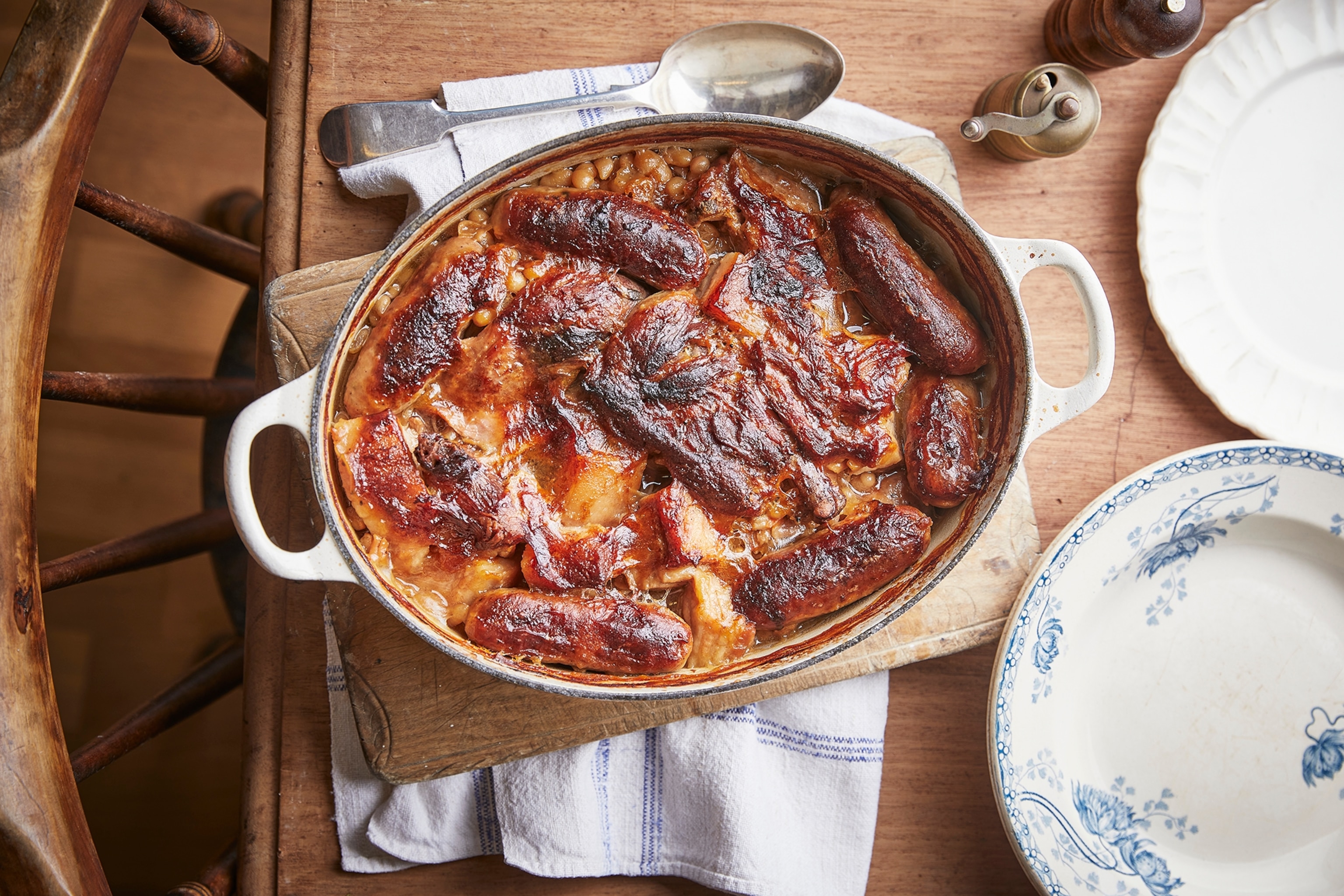
At its core, cassoulet is a rich, slow-cooked casserole originating from the south of France. It’s built around white beans, typically the small, plump haricot variety, simmered with various meats. Think of it as the ultimate peasant dish elevated to culinary art – born out of necessity, transformed into a delicacy.
The name itself comes from the earthenware pot it’s traditionally cooked and served in, the cassole. This deep, round vessel is key to its character, allowing for a long, gentle bake that melds flavors and creates that signature crust on top.
The Holy Trinity of Cassoulet Cities
When you see 'cassoulet' on a menu, it often comes with a regional descriptor, and for good reason. The three 'capitals' of cassoulet each have their own fiercely defended recipes:
- Castelnaudary: Often considered the 'original,' this version is the simplest, focusing on pork shoulder, Toulouse sausage, and sometimes duck confit. It's rustic and pure.
- Carcassonne: Here, the cassoulet gets a bit more complex, adding partridge and often lamb to the mix, along with the standard pork and sausage. It’s richer, with more gamey notes.
- Toulousain: The most decadent of the trio, the Toulousain cassoulet almost always features duck or goose confit, pork, Toulouse sausage, and sometimes a piece of mutton. It’s often finished with a generous layer of breadcrumbs for an extra crispy top.
Each version is a testament to local ingredients and culinary pride. Don't be surprised if locals passionately argue which is superior.
Key Ingredients: Beyond Just Beans
While white beans are the foundation, the meats are what truly define a cassoulet. You'll almost always find succulent duck confit (duck legs preserved in their own fat) that renders down to tender perfection. Toulouse sausage, a fresh pork sausage seasoned with garlic, is another common hero, lending its savory, slightly sweet notes to the stew.
Pork rind, salted pork, and sometimes even lamb or goose are also common additions, all contributing to a deeply flavorful broth. Aromatics like carrots, onions, garlic, and a bouquet garni (herbs tied together) infuse the dish with a subtle complexity. The final touch, especially in the Toulousain style, is a golden-brown crust, often achieved by breaking and stirring it back into the stew multiple times during cooking, then letting a fresh one form.
If you're unsure about the specific cuts of meat or whether a certain type of sausage is included, an app like MenuDish can be incredibly helpful. It can scan the menu, translate regional French terms, and even show you real dish photos so you know exactly what hearty goodness is heading your way.
How it Tastes & What to Expect
A good cassoulet is a symphony of textures and deep, savory flavors. The beans are creamy and tender, having absorbed all the rich essences of the meats and broth. The meats themselves are fall-off-the-bone tender, each bite bursting with its distinct character – the salty richness of confit, the garlicky goodness of sausage, the savory depth of pork.
The broth is thick, unctuous, and incredibly satisfying, often with a hint of herbs. And then there's that crust – a golden, slightly chewy, slightly crispy layer on top that adds a delightful textural contrast. It’s comfort food on a grand scale, meant to be eaten slowly, ideally with a robust red wine and good company.
Ordering Cassoulet Like a Pro
When ordering, look for the regional designation if available. This will give you a clue about the typical meat composition. A truly authentic cassoulet will be served piping hot, often directly in its cassole. Don't be afraid to ask your server about the specific meats used; they'll usually be proud to tell you.
It's a substantial dish, so come hungry. It's rarely served with side dishes, as it's a complete meal in itself. A simple green salad beforehand to cut through the richness can be a nice touch, or just dive straight into the main event. And remember, the crust is part of the experience – don't pick it off, embrace it!
If you encounter a menu with ingredients you don't recognize, MenuDish can scan the text and provide details on what each component is, helping you make an informed choice and appreciate the nuances of regional French cooking.
A Dish for All Seasons (But Mostly Winter)
While you might find cassoulet year-round in some tourist-heavy areas, it truly shines in the cooler months. It's the kind of dish that warms you from the inside out, perfect for a chilly evening or a celebratory winter gathering. Its hearty nature makes it a fantastic centerpiece for a meal, requiring little else beyond a good bottle of wine and perhaps some crusty bread to sop up every last drop of that incredible sauce.
Don't cook it — find it.
See every dish on any menu before you order. Scan, see the photo, check allergens & nutrition.