Key takeaways
- Arancini are crispy, deep-fried rice balls from Sicily, typically filled with ragù (meat sauce), mozzarella, and peas.
- The name 'arancini' (plural) means 'little oranges,' referring to their shape and golden-fried color.
- Regional variations exist, with Palermo often calling them 'arancine' (feminine) and Catania sometimes using a more conical shape.
- Beyond the classic ragù, you can find arancini with fillings like ham and cheese, spinach, pistachio, or even sweet options.
- Authentic arancini should have a firm, flavorful rice exterior and a warm, molten, well-seasoned filling.
The Golden Orb: What Exactly is Arancini?
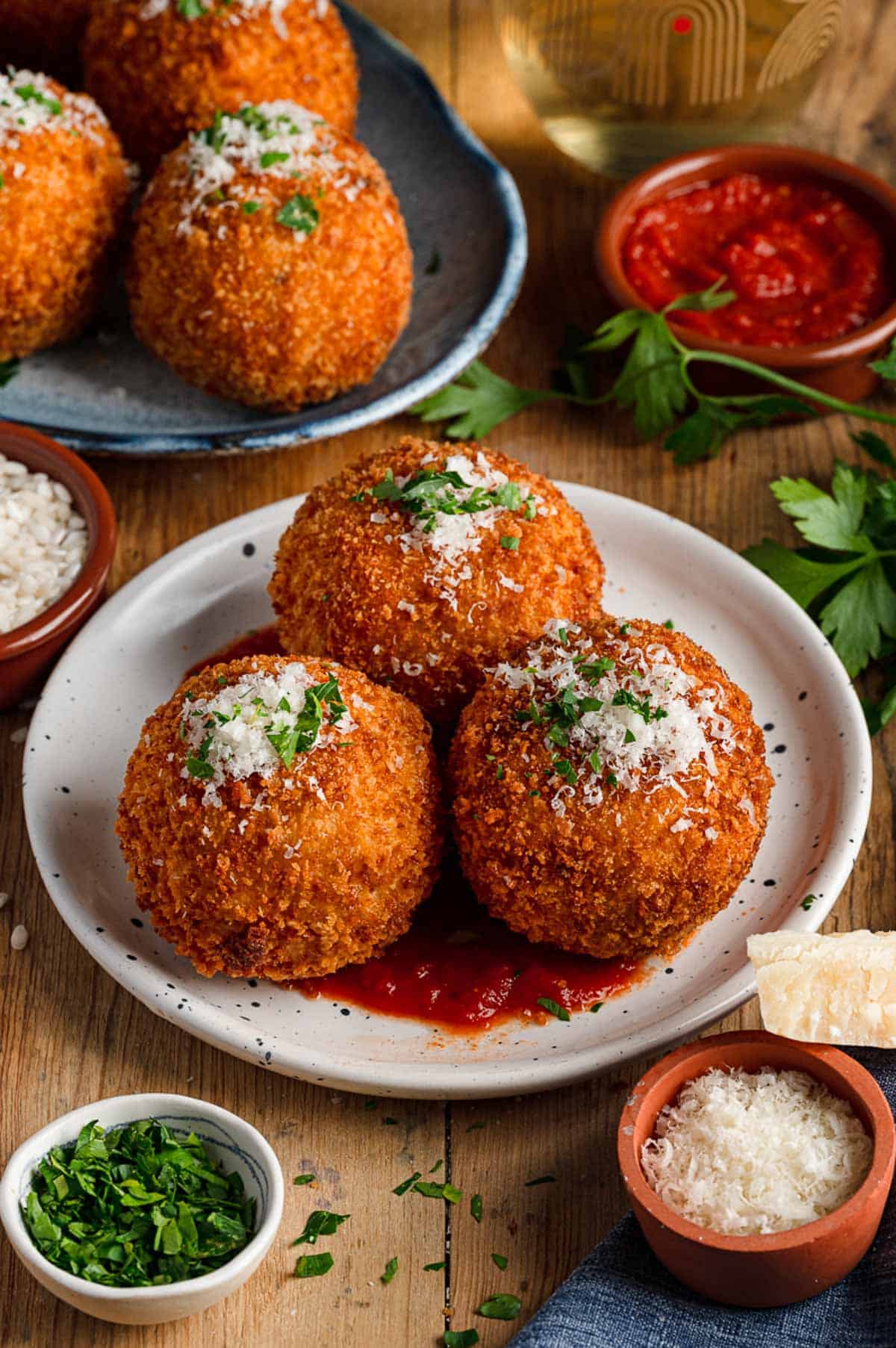
At its heart, an arancino (the singular form) is a ball of cooked rice, usually risotto-style, that’s been stuffed, breaded, and deep-fried until golden brown and gloriously crisp. The name itself, 'arancini,' means 'little oranges' in Italian, a nod to their typical size, round shape, and vibrant color after frying. They’re a masterclass in texture: a crunchy exterior giving way to tender, savory rice, and then a molten, flavorful center.
These aren't just any rice balls; they're a symbol of Sicilian ingenuity, transforming leftover risotto into a portable, satisfying meal. They’re found everywhere on the island – in bakeries, street food stalls, cafes, and restaurants – a testament to their enduring popularity.
Classic Fillings and Regional Quirks
While you might encounter a variety of delicious fillings today, the two most iconic arancini are:
- Arancini al Ragù (or al Carne): This is the undisputed king. Picture a rich, slow-cooked meat sauce (ragù) often made with beef or pork, peas, and sometimes carrots, all mixed with a generous helping of gooey mozzarella or caciocavallo cheese. This is the one you’ll find most often, a truly hearty bite.
- Arancini al Burro (Butter Arancini): A simpler, yet equally beloved version, typically filled with prosciutto cotto (cooked ham) and cheese, often mozzarella or béchamel. It’s creamy, savory, and wonderfully comforting.
Beyond these classics, regional variations abound. In Catania, for instance, you might find arancini shaped more like a cone, supposedly to mimic Mount Etna. In Palermo, they’re often called 'arancine' (feminine plural), a subtle but fierce point of pride for locals. Other fillings can include spinach and ricotta, mushroom, pistachio from Bronte, or even sweet versions with chocolate or ricotta cream for dessert.
How to Spot a Good Arancino
So, you’ve found yourself in Sicily, or at least at a place that claims to serve authentic arancini. How do you know you’re getting the real deal? First, look for a deep, even golden-brown crust – a sign of proper frying. The rice itself should be firm enough to hold its shape but tender inside, never mushy or dry. And the filling? It should be generous, warm, and well-seasoned, flowing slightly as you break it open.
A tell-tale sign of quality is the rice itself. It should be a short-grain variety, like Arborio or Carnaroli, cooked to the perfect al dente texture before being molded. The flavors should be balanced; the richness of the filling complementing the mild rice and the crisp breading.
Ordering with Confidence
When faced with a menu listing 'arancini' and a few unfamiliar Italian descriptions, don't hesitate to ask about the fillings. Or, if you're using an app like MenuDish, you can often see real dish photos of the different arancini varieties, complete with ingredient lists and potential allergens, before you even order. It’s a great way to visualize whether that 'arancini al pistacchio' is indeed the savory pistachio pesto you’re hoping for, or perhaps a sweet version.
Whether you're grabbing one from a bustling street vendor or enjoying it as an appetizer in a more formal setting, arancini are a delicious, essential taste of Sicily. Don't leave without trying at least one (or three!).
Don't cook it — find it.
See every dish on any menu before you order. Scan, see the photo, check allergens & nutrition.
Allergens: Gluten, Dairy, Meat (beef/pork), Peas. The MenuDish app flags these automatically for every dish it scans.