Key takeaways
- Gnocchi are Italian dumplings, often made from potato, but also from ricotta, semolina, or other ingredients.
- Texture varies widely: some are light and delicate, others are denser and chewy; neither is inherently 'wrong' but depends on the style.
- Regional variations are significant; gnocchi alla romana (semolina) is very different from classic potato gnocchi.
- Sauce pairings are crucial; lighter gnocchi often pair with lighter sauces, while heartier versions can handle robust ragùs.
- Don't be afraid to ask your server about the type of gnocchi and its preparation to ensure you get what you're craving.
What Are Gnocchi, Anyway?
At its heart, gnocchi (pronounced NYOH-kee, singular 'gnocco') are small, thick, soft dough dumplings. They’re a staple in Italian cuisine, often served as a first course (primo piatto) much like pasta. While many consider them a type of pasta, they're technically distinct, made from a dough that's typically rolled and cut, rather than extruded or shaped from a semolina-and-water mix.
Their origins stretch back centuries, with regional variations popping up across Italy long before potatoes were even introduced to Europe. Early versions were likely made from flour, breadcrumbs, or cornmeal. The potato-based gnocchi we most commonly associate with the dish today became popular only after potatoes arrived and were integrated into Italian cooking.
Beyond the Potato: A World of Gnocchi
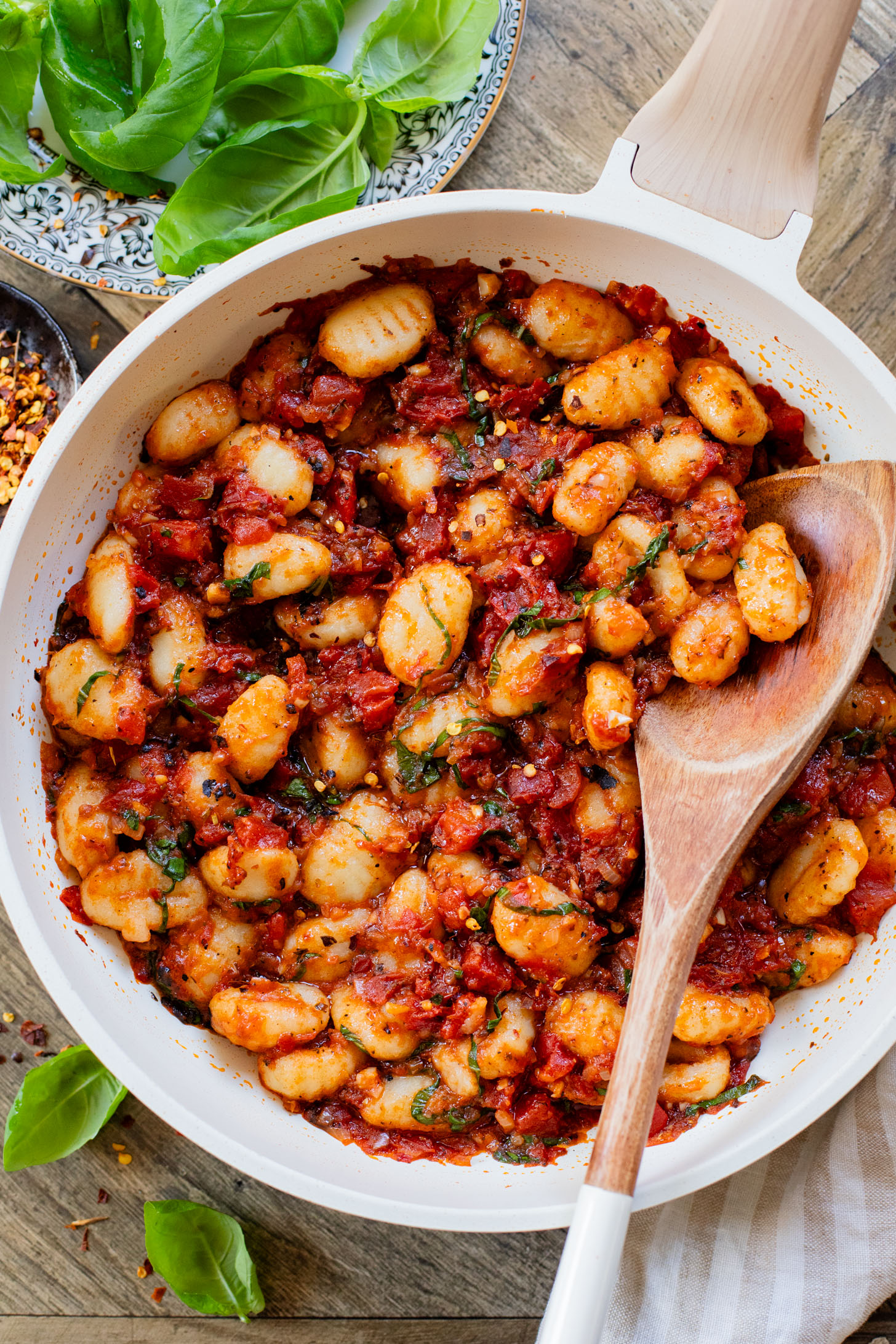
When someone says 'gnocchi,' most minds immediately go to Gnocchi di Patate – the classic potato gnocchi. These are made from cooked potatoes, flour, and sometimes egg, rolled into ropes, cut into small pieces, and often ridged with a fork or a gnocchi board. The goal is usually a light, airy texture that practically melts in your mouth.
But venture further, and you'll discover delightful alternatives:
- Gnocchi di Ricotta: These are lighter and softer than potato gnocchi, made with ricotta cheese, flour, and egg. They have a delicate, slightly tangy flavor and a wonderfully smooth texture. They often pair beautifully with simple butter and sage sauces or fresh tomato preparations.
- Gnocchi alla Romana: Don't expect little pillows here. These are made from semolina flour, milk, cheese, and egg yolks, cooked into a thick porridge, spread out, cut into discs, and then baked until golden and crisp on top. They're richer, denser, and incredibly satisfying, often served with a hearty meat sauce or simply butter and Parmesan.
- Gnocchi di Zucca (Pumpkin/Squash Gnocchi): Especially popular in Northern Italy, these autumnal gnocchi incorporate cooked pumpkin or squash into the dough, giving them a subtle sweetness and a beautiful orange hue.
- MalfaTTi: Meaning 'badly made' or 'mis-shapen,' malfatti are rustic, often spinach and ricotta-based dumplings that are less uniform in shape but bursting with flavor. Think of them as a cousin to ricotta gnocchi.
The Sauce Makes the Gnocchi
Just like pasta, the sauce is paramount. The right pairing enhances the gnocchi's inherent qualities. Lighter, more delicate gnocchi (like ricotta or very airy potato versions) shine with simple sauces:
- Butter and Sage: A classic, allowing the gnocchi's flavor to take center stage.
- Pesto: Fresh and vibrant, especially with potato gnocchi.
- Fresh Tomato and Basil: A bright, simple sauce that complements rather than overpowers.
For denser, more robust gnocchi (like gnocchi alla romana or heartier potato versions), you might find them paired with:
- Ragù: A slow-cooked meat sauce that clings beautifully.
- Gorgonzola Cream Sauce: Rich and pungent, for those who love bold flavors.
Ordering Gnocchi Like a Pro
So, how do you avoid menu surprises? Ask! A simple question like, 'What kind of gnocchi is this?' or 'Is this potato or ricotta gnocchi?' can save you from a mismatch between expectation and plate.
If you're still unsure about a dish name, or want to understand specific ingredients or potential allergens, remember that MenuDish can be a lifesaver. Just scan the menu with the app, and it will match menu items to real dish photos, providing details on ingredients, allergens, and even translating unfamiliar Italian terms. It’s like having a local expert whispering in your ear, letting you see exactly what those 'gnocchi con funghi' look like before you commit.
The Texture Debate: Light vs. Chewy
There's an ongoing, friendly debate about the 'perfect' gnocchi texture. Some swear by the incredibly light, almost ethereal versions that barely hold together. Others prefer a slightly chewier, more substantial dumpling. Neither is wrong. Potato gnocchi, in particular, can vary wildly based on the type of potato, how much flour is used, and the chef's touch. A good gnocchi should always be tender, never gluey or tough. If it's too dense, it might mean too much flour was added, or it was overworked.
Embrace the Diversity
The beauty of gnocchi lies in its diversity. From region to region, and even from Nonna to Nonna, the exact recipe and preparation can change. Instead of seeing this as a potential pitfall, embrace it as an opportunity to explore the rich tapestry of Italian cuisine. Each plate of gnocchi tells a story, a tradition, a preference. So next time you see it on the menu, order with confidence, curiosity, and perhaps a little help from your phone.
Don't cook it — find it.
See every dish on any menu before you order. Scan, see the photo, check allergens & nutrition.