Key takeaways
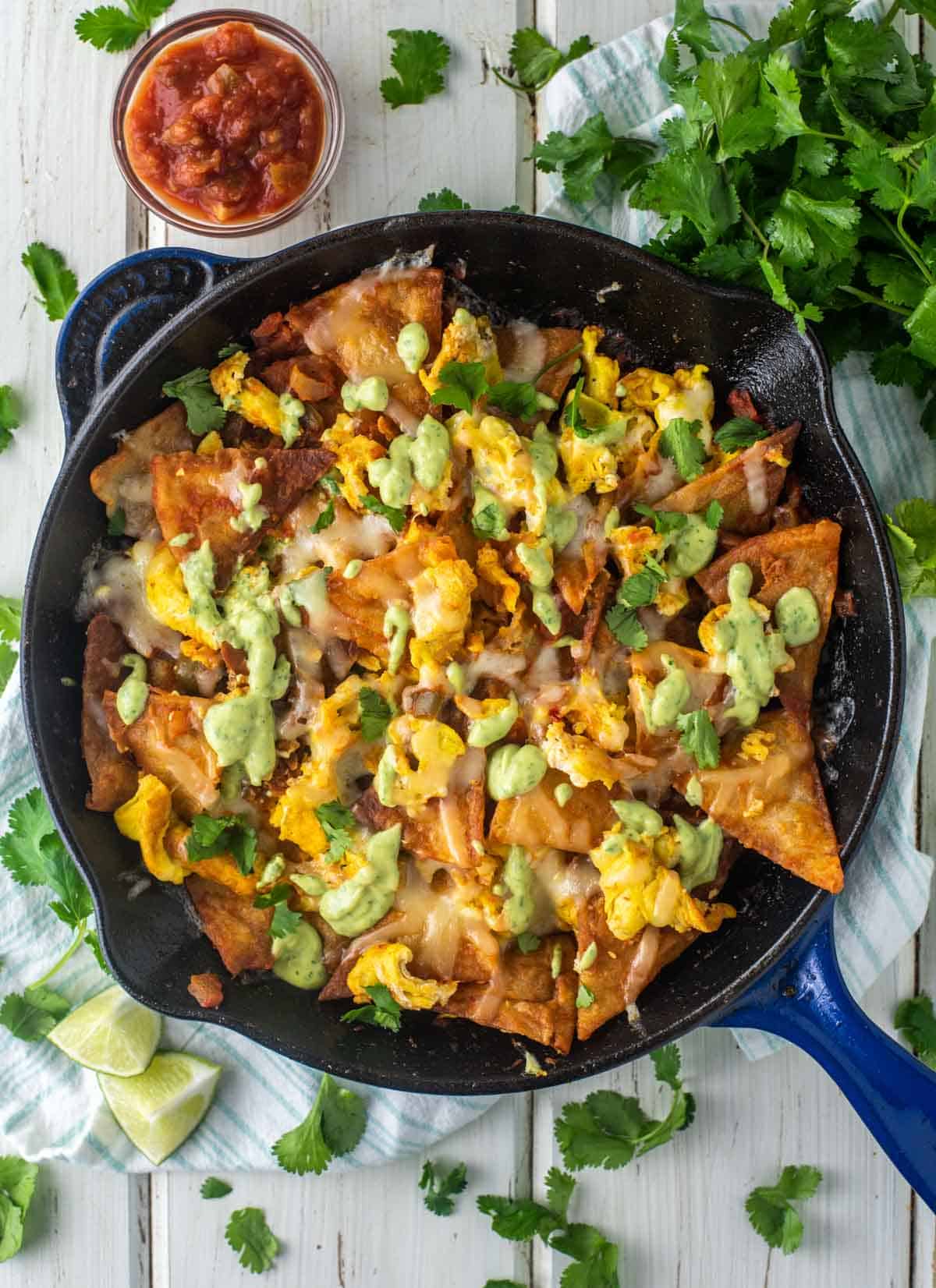
- Chilaquiles consist of lightly fried corn tortilla chips simmered briefly in warm red or green salsa.
- Salsa verde brings a tart, herbaceous bite from cooked tomatillos, while salsa roja relies on smoky dried chiles.
- The texture split is intentional: purists debate whether chips should stay crisp or turn soft and gravy-soaked.
- Standard toppings include Mexican crema, crumbled cotija or queso fresco, sliced raw onions, and fried eggs or shredded chicken.
How stale tortillas created Mexico's best morning fix
Long before chilaquiles became a trendy item on international brunch menus, they existed for a practical purpose: using up yesterday's corn tortillas. In traditional Mexican kitchens, throwing away food is unthinkable. A day-old corn tortilla loses its pliability, but quartering it into triangles and frying those pieces in lard or oil turns them into sturdy chips called totopos.
Unlike standard restaurant tortilla chips designed for dipping, totopos made for chilaquiles are cut thicker so they hold up when bathed in hot sauce. The magic happens in the pan. When fresh salsa hits the hot fried tortillas, the corn starch absorbs the spiced liquid, softening the interior while leaving the edges toasted and crisp.
Salsa verde vs. salsa roja: how to pick your team
When ordering, your first choice is simple: chilaquiles verdes or chilaquiles rojos. The flavor profiles are completely distinct, and most Mexicans hold a firm preference for one over the other.
Chilaquiles Verdes: Made with husked green tomatillos, serrano or jalapeño peppers, garlic, and fresh cilantro. The sauce is boiled or roasted before being blended smooth. It delivers a bright, punchy, slightly acidic flavor that cuts straight through rich toppings like sour cream and pork fat.
Chilaquiles Rojos: Built on a base of ripe red tomatoes combined with toasted dried chiles like guajillo, ancho, or pasilla. The chiles add an earthy, sweet smokiness with a deeper, warm heat rather than a sharp bite. If you prefer deep, savory sauces over tangy ones, red is your move.
The great crispiness debate
Ask five people in Mexico how long totopos should sit in sauce, and you will spark an argument. One school of thought insists that the chips must be tossed in hot salsa for barely thirty seconds before plating, keeping a distinct crunch under the liquid. The other school believes true comfort comes when the tortillas simmer long enough to absorb the sauce like a savory bread pudding.
If you prefer your chips extra crisp, look for menus that list chilaquiles crujientes. When scanning a crowded menu at a traditional fonda, opening the MenuDish app helps you check photos of how the kitchen plates theirs, showing whether you are getting a bowl of crisp chips or a soft, stewed mass.
Egg, chicken, or cured beef: stacking your plate
Plain chilaquiles are rarely eaten alone. They serve as a canvas for layers of dairy, fresh herbs, and proteins that transform a simple mess of tortillas into a heavy meal.
Every plate starts with the base finishes: a drizzle of thick Mexican crema (richer and less sour than American sour cream), thin rings of raw white onion for sharpness, fresh cilantro leaves, and a generous dusting of salty, crumbly cotija or queso fresco.
From there, you choose your protein topping:
Con huevo: Topped with two eggs, cooked sunny-side up or fried with lacey crispy edges. Breaking the yolk over the warm salsa creates an instant, silky emulsion.
Con pollo: Covered in warm, poached chicken breast shredded into fine threads that trap the salsa in every bite.
Con cecina or tasajo: Accompanied by thinly pounded, salt-cured beef or pork grilled quickly over heat. This salted beef pairs exceptionally well with tangy green salsa.
How to order chilaquiles without confusing the server
When sitting down at a Mexican fonda or neighborhood café, ordering chilaquiles follows a predictable pattern. First, specify the sauce color: verdes or rojos. Next, state your protein choice, such as con huevo estrellado (fried egg) or con pollo deshebrado (shredded chicken).
You may also be asked if you want frijoles refritos (refried beans) on the side. Say yes. Scooping a bit of creamy, lard-cooked black or pinto beans onto the same fork as your salsa-soaked chip is the best bite on the plate.
Don't cook it — find it.
See every dish on any menu before you order. Scan, see the photo, check allergens & nutrition.
Allergens: Dairy, Corn, Eggs. The MenuDish app flags these automatically for every dish it scans.