Blog Dish guide What is Paella? Your Guide to Spain's Iconic Rice Dish (and How to Spot a Good One)
Dish guide 🌐 Spanish

What is Paella? Your Guide to Spain's Iconic Rice Dish (and How to Spot a Good One)

You’ve seen the pictures: a vibrant, shallow pan overflowing with glistening rice, tender meat or seafood, and a promise of sun-drenched Spanish flavors. Then you order it, and sometimes, what arrives is
 well, it’s yellow rice. Maybe a bit soupy, maybe a bit bland, definitely not the transcendent experience you’d hoped for. That’s because authentic paella is a dish of precision, patience, and a few non-negotiable elements that often get lost in translation outside of Spain.

What is Paella? Your Guide to Spain's Iconic Rice Dish (and How to Spot a Good One)
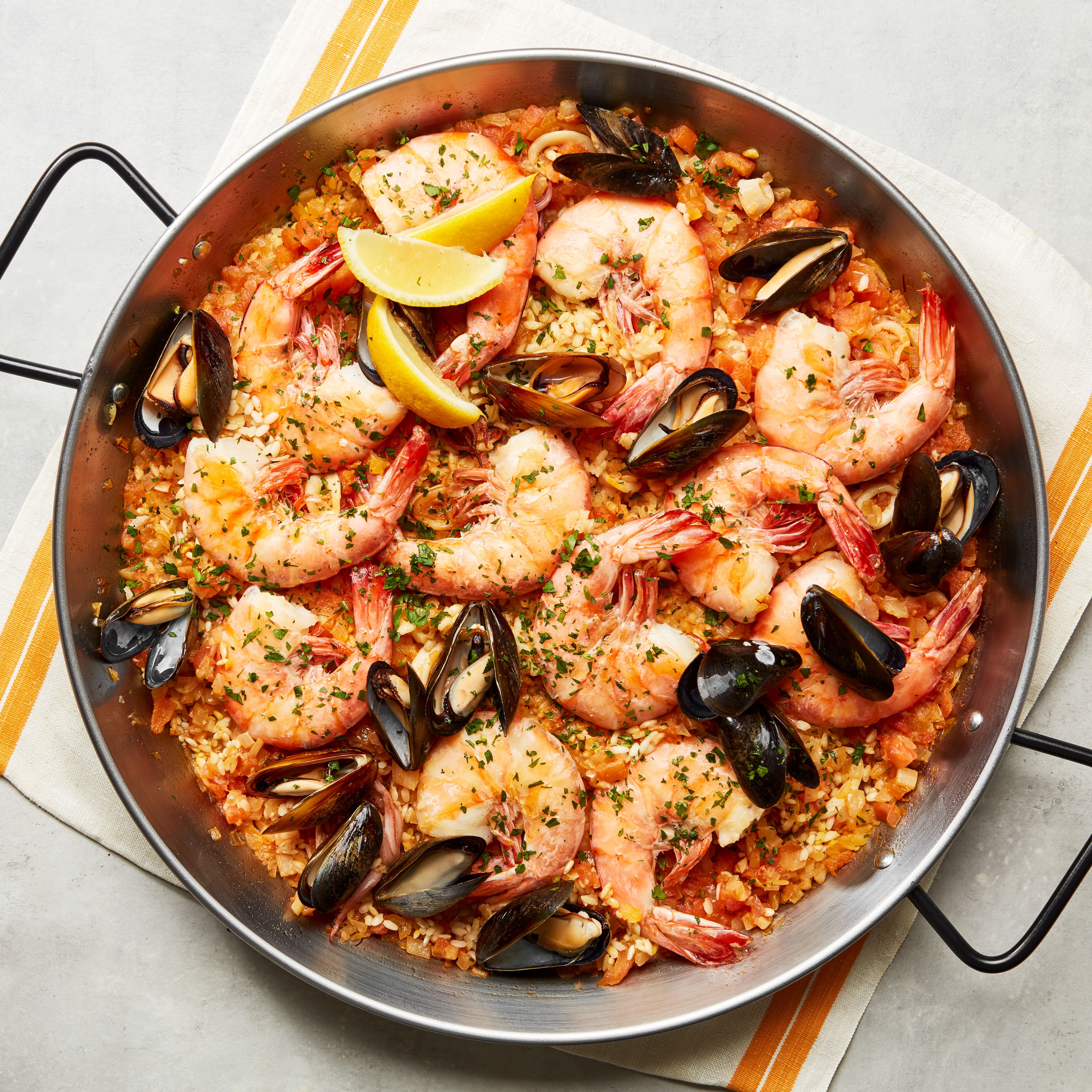
What is Paella? Your Guide to Spain's Iconic Rice Dish (and How to Spot a Good One) — Photo via MenuDish.

Key takeaways

  • True paella is a dry, thin-layered rice dish, not a soupy stew.
  • The 'socarrat,' a crispy caramelized crust at the bottom, is essential for authentic paella.
  • Paella Valenciana (chicken, rabbit, beans) is the original; seafood and mixed paellas are popular but different.
  • Saffron provides the subtle flavor and golden hue, not artificial coloring.
  • Authentic paella is typically cooked fresh to order, often for a group, and served directly from the pan.

More Than Just Yellow Rice

First things first: paella is not a stew. It's not risotto. It's not even really a 'rice dish' in the way many cultures interpret it. Paella, at its heart, is about a thin layer of rice, cooked in a wide, shallow pan called a paellera, allowing maximum surface area for evaporation and the development of that crucial crispy bottom. The rice itself should be tender but separate, infused with flavor, not swimming in broth.

Many imitators miss this entirely, serving up clumpy, overcooked rice or, worse, something resembling a glorified pilaf. The color should come from saffron, imparting a subtle floral earthiness and a natural golden hue, not just a splash of food coloring.

The Heart of the Pan: Socarrat and Saffron

If you take one thing away from this, let it be the word socarrat. This is the holy grail of paella: the caramelized, slightly crispy crust of rice that forms at the bottom of the pan. It's achieved through careful heat management at the very end of cooking, allowing the rice to toast without burning. It provides a textural contrast and an intense burst of flavor that defines a truly great paella. Without socarrat, you're missing a vital part of the experience.

Then there's saffron. Those delicate crimson threads are what give paella its signature aroma and color. It's an expensive spice, and its subtle flavor is often replaced by turmeric or artificial coloring in less authentic versions. A well-made paella will have a nuanced, earthy aroma, not an overpowering, bright yellow hue.

Regional Rhythms: Valencia vs. Seafood vs. Mixed

When you hear 'paella,' you probably picture seafood. But the original, the one from its birthplace in Valencia, is quite different. Paella Valenciana is a rustic, inland dish featuring short-grain rice, chicken, rabbit, green beans (ferraura), and sometimes snails, cooked over an open fire. It’s hearty, savory, and a true taste of rural Spain.

Paella de Marisco (seafood paella) is likely what most people envision: shrimp, mussels, clams, and squid, often cooked in fish broth. It’s incredibly popular, especially along the coast. Then there's Paella Mixta (mixed paella), which combines both meat and seafood. This is often seen as a compromise by purists, but it's widely available and enjoyed. Knowing which type you're ordering helps set expectations.

The Art of the Paella Pan

The cooking vessel itself, the paellera, is crucial. It's a wide, shallow, round pan with two handles, designed to cook the rice in a thin layer. This thinness is key to developing the socarrat and ensuring even cooking without stirring, which would release starch and make it gummy. If your paella arrives in a deep pot or a tiny individual dish, it's likely not the real deal.

Ordering Paella Like a Local (and Avoiding Tourist Traps)

So, how do you ensure a good paella experience? Look for restaurants that specialize in it, or those with a strong regional focus. A good sign is if it’s cooked to order and takes a minimum of 20-30 minutes, often for a minimum of two people. If it comes out suspiciously fast, it was probably pre-made or reheated. Don't be afraid to ask about the ingredients or if they achieve a socarrat.

When traveling, MenuDish can be a secret weapon here. Imagine scanning a menu, seeing a paella dish, and instead of guessing, you get to see real dish photos. You can quickly discern if it looks like the dry, thin-layered, socarrat-rich paella you're hoping for, or if it's closer to a soupy rice dish. It helps you order with confidence, knowing exactly what's coming to your table.

Don't cook it — find it.

See every dish on any menu before you order. Scan, see the photo, check allergens & nutrition.
Frequently asked questions

What is the difference between paella and risotto?
Paella is a dry, thin-layered rice dish from Spain, cooked without stirring to develop a crispy bottom (socarrat). Risotto is a creamy, thicker rice dish from Italy, cooked by gradually adding broth and stirring constantly to release starches.
What is socarrat in paella?
Socarrat is the highly prized, slightly crispy, caramelized crust of rice that forms at the bottom of the paella pan. It's a sign of a well-made paella and offers a delicious textural and flavor contrast.
What are the main types of paella?
The most traditional is Paella Valenciana (chicken, rabbit, green beans). Other popular types include Paella de Marisco (seafood paella) and Paella Mixta (mixed meat and seafood paella).
Why is paella yellow?
The authentic golden-yellow color and a significant part of its unique aroma come from saffron, a delicate and expensive spice. Less authentic versions might use turmeric or artificial food coloring.
Is paella always made with seafood?
No, the original Paella Valenciana does not contain seafood. While seafood paella (Paella de Marisco) is very popular, especially along the coast, the dish has many regional variations that use different meats and vegetables.

Keep reading

Related dish guides

Lost in Translation? How AI Helps You Order Exactly What You Want (With Photos!)
App & AI 6 min

Lost in Translation? How AI Helps You Order Exactly What You Want (With Photos!)

You're sitting at a charming trattoria in Rome, or a bustling Izakaya in Tokyo. The menu arrives, a beautiful enigma of foreign words. You point to something that sounds vaguely familiar, or maybe just intriguing, and cross your fingers. We've all been there: the surprise dish that arrives, looking nothing like you imagined, or worse, containing an ingredient you absolutely can't stand. It's a common travel frustration, but thanks to advancements in AI, ordering with confidence is no longer a pipe dream.

Read more
What is Schnitzel? Your Guide to Austria's Crispy, Golden Icon
Dish guide 7 min

What is Schnitzel? Your Guide to Austria's Crispy, Golden Icon

You're sitting in a cozy Austrian Gasthaus or a bustling German biergarten, scanning the menu. There it is, front and center: “Schnitzel.” Sounds simple enough, right? Just a piece of fried meat. But then you see “Wiener Schnitzel vom Kalb,” “JĂ€gerschnitzel,” “Schweineschnitzel,” and suddenly, what seemed straightforward becomes a little less clear. Is it all the same? What’s the difference between veal and pork, and what exactly is a 'hunter's schnitzel' anyway? Ordering the right one can make all the difference between a perfectly crisp, tender experience and a heavy, greasy disappointment.

Read more
What is an Arepa? Your Guide to South America's Versatile Cornbread
Dish guide 7 min

What is an Arepa? Your Guide to South America's Versatile Cornbread

You're scanning a menu, maybe at a vibrant Latin American spot, and there it is: 'Arepas.' Sounds simple enough, but then you see a dizzying list of fillings – 'Reina Pepiada,' 'Pabellón,' 'Domino.' Suddenly, that simple corn cake seems a lot more complicated. Are you ordering a sandwich? A side dish? A breakfast item? It’s easy to feel lost, but understanding the humble arepa is the first step to discovering a truly delicious, endlessly customizable piece of South American comfort food.

Read more

Ready to order smarter?

Never order a mystery dish again.

Scan the menu, see real photos for every dish, and check ingredients, allergens and nutrition — all in a couple of seconds.

What is Paella? Your Guide to Spain's Iconic Rice Dish (and How to Spot a Good One) in the MenuDish app
What is Paella? Your Guide to Spain's Iconic Rice Dish (and How to Spot a Good One)