Key takeaways
- Authentic pesto, specifically Pesto alla Genovese, originates from Liguria, Italy, and consists of only seven core ingredients.
- The key ingredients are fresh basil (preferably Genovese), pine nuts, garlic, Parmigiano Reggiano, Pecorino Sardo, Ligurian extra virgin olive oil, and sea salt.
- Traditional pesto is made by crushing ingredients in a mortar and pestle, not a food processor, to preserve the delicate basil aroma.
- It should be a vibrant green, not dark or brownish, and have a fresh, herbaceous, nutty, and slightly pungent flavor, with a coarse, oily texture.
- Pesto is incredibly versatile, pairing well with various pasta shapes, vegetables, and even as a spread.
The Green Gold of Liguria: What Defines True Pesto?
When we talk about 'pesto,' we're almost always referring to Pesto alla Genovese, the iconic green sauce from Genoa in the Liguria region of Italy. Its name comes from the Italian word 'pestare,' meaning 'to crush' or 'to pound,' a direct nod to its traditional preparation method. Forget blenders and food processors for a moment; true pesto is born from a mortar and pestle, where the ingredients are gently bruised, not chopped, releasing their essential oils and preserving their delicate flavors.
The magic happens with just seven simple, high-quality ingredients: fresh basil leaves (ideally small, tender Genovese basil), pine nuts, garlic (often a milder Ligurian variety), Parmigiano Reggiano, Pecorino Sardo, a good Ligurian extra virgin olive oil, and a pinch of coarse sea salt. Each component plays a crucial role. The basil provides the undeniable fresh, herbaceous core, the pine nuts add a subtle creaminess and nuttiness, the garlic a gentle warmth, and the two cheeses bring a salty, umami depth. The olive oil is the emulsifier, binding everything into that glorious, vibrant green.
Beyond Basil: Understanding Other 'Pestos'
While Pesto alla Genovese is the king, the concept of 'pesto' – a pounded sauce – extends to other regional variations. You might encounter Pesto Rosso (red pesto), often made with sun-dried tomatoes, roasted red peppers, or even fresh tomatoes, along with nuts, cheese, and olive oil. Sicily has its own Pesto alla Siciliana, which typically includes fresh tomatoes, basil, garlic, and sometimes ricotta or almonds. These are delicious in their own right, but it's important to remember they're distinct from the original Genovese version.
When you see 'pesto' on a menu without further qualification, it's almost always referring to the basil-based green one. If you're abroad and worried about what might arrive, an app like MenuDish can be incredibly helpful. It lets you see real dish photos matched to menu items and even check ingredients and allergens, so you know if you're getting traditional basil pesto or a different regional take before you order.
Ordering Pesto: What to Look For and Expect
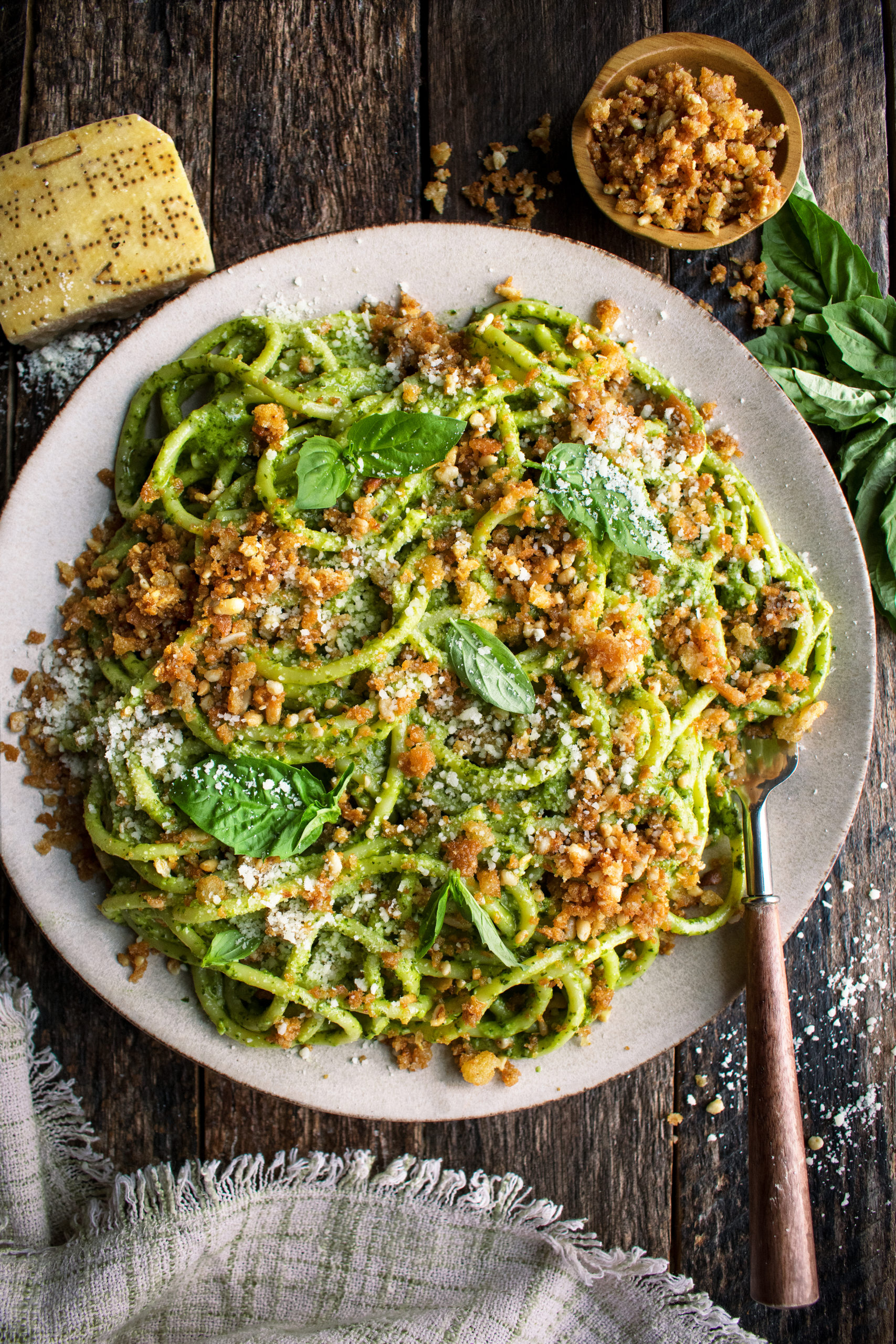
So, you're in Italy, or at an Italian restaurant that prides itself on authenticity. How do you know if the pesto is up to snuff? First, look at the color: it should be a bright, vibrant green, almost emerald, not a dull or brownish hue. That vibrant color indicates fresh basil and proper preparation, minimizing oxidation. Second, observe the texture: it should be slightly coarse, not a smooth puree, with visible flecks of basil and pine nuts. It should also be glossy from the generous amount of olive oil, not dry or pasty.
When it comes to taste, expect a burst of fresh basil, followed by the nutty richness of pine nuts and cheese, and a subtle, clean garlic finish. There should be no bitterness, and certainly no hint of cream or other fillers. It should coat your pasta beautifully, rather than creating a heavy, gloopy sauce. Common pasta pairings in Liguria include trofie, trenette, or tagliolini, often served with small cubes of boiled potatoes and green beans mixed in.
Versatility: More Ways to Enjoy Pesto
While pesto and pasta are a match made in heaven, this aromatic sauce is surprisingly versatile. It's fantastic as a spread on focaccia or crusty bread, especially when paired with fresh mozzarella or tomatoes. Try swirling a dollop into a vegetable soup or minestrone for an instant flavor boost. It can elevate roasted vegetables, grilled chicken, or even a simple frittata. Some adventurous cooks even use it as a base for pizza or a flavorful addition to scrambled eggs. Its intense flavor means a little goes a long way, making it a powerful ingredient to keep on hand.
Don't cook it — find it.
See every dish on any menu before you order. Scan, see the photo, check allergens & nutrition.
Allergens: Dairy, Tree Nuts (Pine Nuts). The MenuDish app flags these automatically for every dish it scans.