Key takeaways
- Authentic Carbonara uses only guanciale (cured pork jowl), eggs (yolks + some whole), Pecorino Romano cheese, and black pepper.
- The 'creamy' sauce comes from emulsifying egg yolks, cheese, and rendered guanciale fat with starchy pasta water, not cream.
- Spaghetti or rigatoni are common pasta choices, but the key is a firm pasta that can hold the sauce.
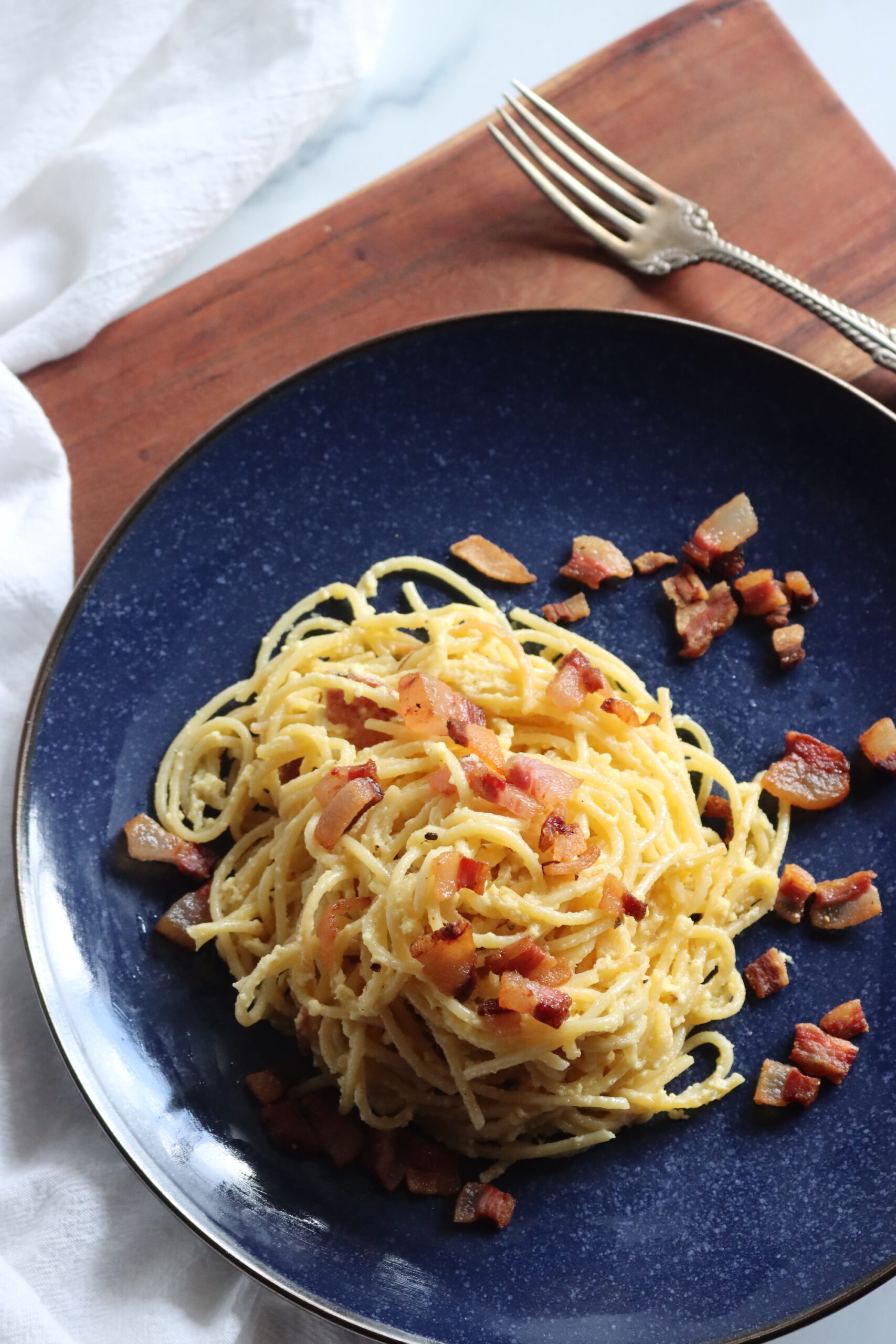
- Real Carbonara should have a glossy, emulsified sauce clinging to the pasta, not a runny or scrambled egg texture.
- When ordering, look for menus that specify guanciale and Pecorino Romano as ingredients.
The Real Deal: No Cream Allowed
Forget everything you think you know about Carbonara if it includes cream. Seriously, put that carton away. An authentic Roman Carbonara relies on just a handful of ingredients, each playing a crucial role in creating that silky, unctuous sauce we all crave. It's a testament to how incredible food can be when you let simple, quality components shine.
The magic happens when the heat from the freshly cooked pasta, combined with a splash of its starchy cooking water, gently cooks and emulsifies the raw egg mixture with the rendered fat from the guanciale and grated Pecorino. This creates a glossy, almost impossibly rich sauce that coats every strand of pasta without ever curdling or feeling heavy.
Guanciale: The Heart of Carbonara
First up, guanciale. This isn't just bacon, and it's definitely not pancetta. Guanciale is cured pork jowl, and its fat is distinct. It renders down into crisp, flavorful bits while releasing a deeply savory, almost sweet fat that forms the base of the sauce. That rendered fat is essential; it's what makes the emulsion possible and gives Carbonara its signature depth. If a menu says 'bacon' or 'pancetta,' it's a red flag for authenticity, though still potentially delicious in its own right.
Eggs, Pecorino, and Pepper: The Golden Trio
Next, the eggs. Most traditional recipes call for a mix of whole eggs and extra yolks, creating a richer, more vibrant yellow sauce. The eggs are whisked vigorously with a generous amount of finely grated Pecorino Romano – a sharp, salty sheep's milk cheese. This isn't Parmesan; Pecorino has a more pungent, almost sheepy tang that's non-negotiable for Carbonara.
Finally, freshly cracked black pepper. Lots of it. It adds a crucial bite and aromatic spice that cuts through the richness of the pork and cheese. Think of it as the exclamation point on a perfectly balanced sentence.
The Perfect Pasta Pairing
While spaghetti is the classic choice, you'll also find Carbonara served with rigatoni, bucatini, or even mezze maniche. The key is a sturdy pasta shape that can really hold onto that glorious sauce. The pasta should be cooked perfectly al dente, firm to the bite, because it will continue to cook slightly when tossed with the hot sauce.
How to Spot Authentic Carbonara on a Menu
When you're out exploring menus, especially in Italy, a true Carbonara will often list its key ingredients. Look for 'guanciale,' 'pecorino romano,' and 'uova' (eggs). If you see 'panna' (cream), 'funghi' (mushrooms), or 'piselli' (peas), know that you're looking at a variation, not the traditional Roman dish.
Sometimes, unfamiliar menu items can be a bit of a gamble. That's where an app like MenuDish comes in handy. It can scan the menu, translate the names, and even show you real dish photos so you can see what a traditional Carbonara looks like before you order – glossy, perfectly coated pasta, with crisp bits of guanciale and no watery sauce in sight.
A Taste of Roman History
The exact origins of Carbonara are debated, but one popular theory links it to American soldiers in Italy during World War II. They brought their rations of bacon and eggs, which were then combined with local Italian ingredients like pasta and Pecorino. Whatever its true beginning, Carbonara has become a beloved symbol of Roman cuisine, a dish that embodies the city's hearty, straightforward approach to food.
Don't cook it — find it.
See every dish on any menu before you order. Scan, see the photo, check allergens & nutrition.
Allergens: eggs, dairy, pork. The MenuDish app flags these automatically for every dish it scans.