Key takeaways
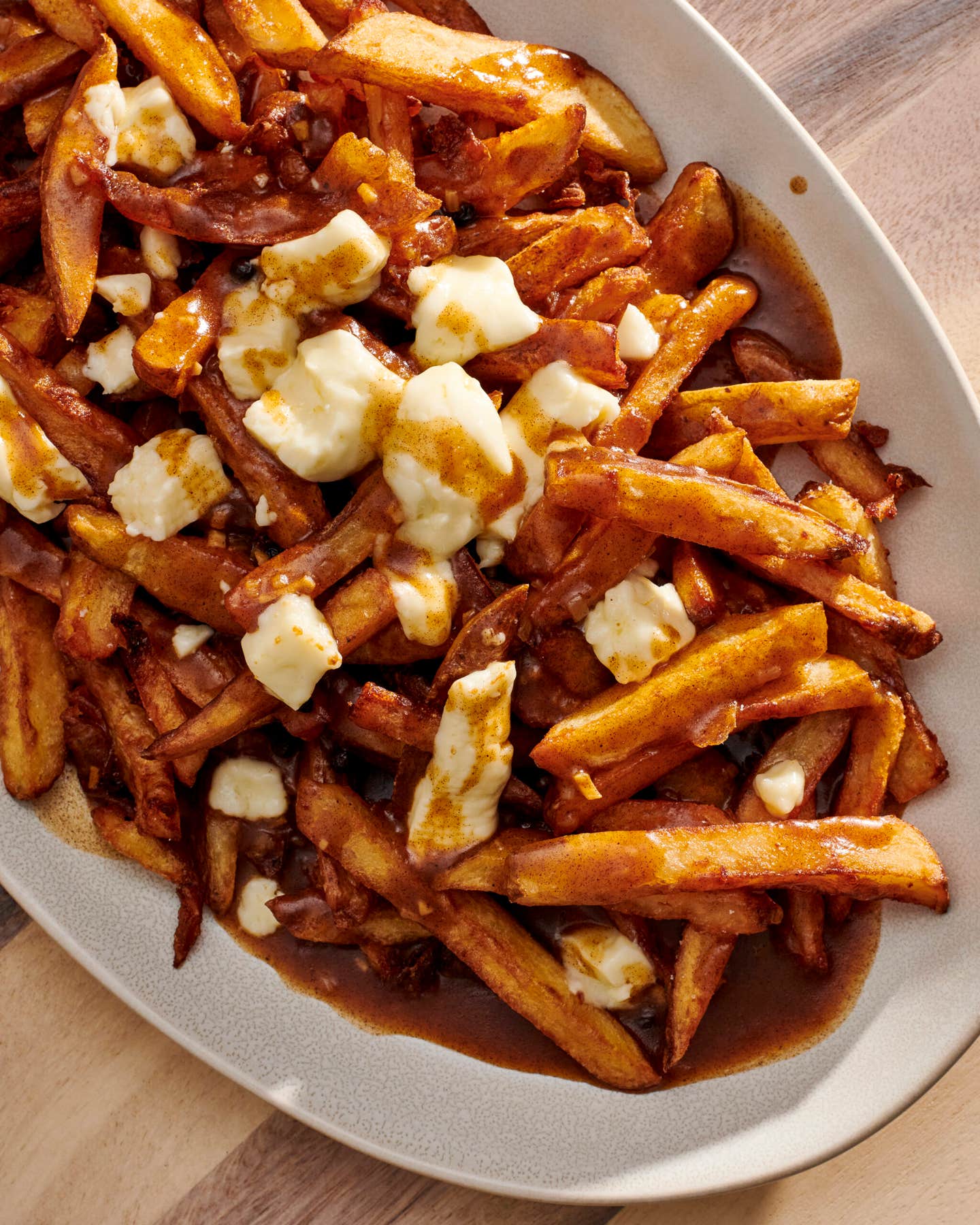
- Poutine is a Canadian dish featuring three core ingredients: French fries, fresh cheese curds, and hot brown gravy.
- Authentic poutine relies on crispy fries, 'squeaky' fresh cheese curds, and a rich, hot gravy that melts the curds slightly.
- While variations exist, the classic version is simple and often considered the best.
- Originating in rural Quebec in the 1950s, poutine is now a national culinary icon.
- It's a hearty, satisfying dish, best eaten fresh while the ingredients maintain their distinct textures.
The Holy Trinity of Poutine: Fries, Curds, and Gravy
At its heart, poutine is a deceptively simple dish built on three pillars: crispy French fries, fresh cheese curds, and hot, savory gravy. Each component plays a crucial role, and when executed properly, they come together in a symphony of textures and flavors that is much more than the sum of its parts.
First, the fries. They need to be golden brown and sturdy enough to hold up to the gravy without becoming a mushy disaster. Thin, delicate fries often collapse under the weight, while thick-cut fries with a good crisp exterior and fluffy interior are ideal. Then there are the cheese curds. This is where many poutine imposters fall short. They must be fresh, un-refrigerated, and ideally, still 'squeaky' when you bite into them. These curds don't fully melt into a stringy mess like shredded cheese; instead, they soften beautifully, becoming warm and yielding while still holding their shape. Finally, the gravy. It's typically a rich, brown, slightly thickened chicken or beef-based sauce, sometimes with a hint of pepper. It needs to be hot enough to warm the curds and fries without completely drenching them.
A Taste of Quebec: Where Did Poutine Come From?
Poutine’s roots trace back to rural Quebec in the 1950s. Like many iconic comfort foods, its exact origin is a bit fuzzy, with several small towns claiming its invention. The story often goes that a customer asked a restaurant owner to add cheese curds to his fries, and the gravy came later. Regardless of the precise first bite, poutine quickly spread throughout Quebec and eventually across Canada, evolving from a humble diner dish to a national symbol.
It’s a dish born out of practicality and local ingredients, particularly the abundant dairy farms of Quebec producing fresh cheese curds. What started as a simple, hearty meal for working-class folks has become a beloved staple, celebrated in high-end restaurants and roadside diners alike.
The Classic vs. The Creative: Navigating Poutine Variations
While the classic poutine (fries, curds, gravy) is sacred to many, chefs and restaurants have certainly put their own spins on it. You might encounter variations with pulled pork, smoked meat, foie gras, duck confit, or even vegetarian gravies and different types of cheese. Some places get truly wild, adding everything from lobster to breakfast ingredients.
These creative iterations can be delicious, but for a true introduction, stick to the original. Once you understand and appreciate the balance of the classic, then you can venture into the more elaborate versions. When you’re staring at a menu filled with options, a quick glance at MenuDish can show you real photos of what these dishes look like, helping you decide if that 'braised short rib poutine' is truly what you're craving.
How to Eat Poutine (The Right Way)
Poutine is not a dish for dainty eaters. It’s best attacked with a fork, scooping up a bit of everything in one go: a crispy fry, a warm, softened cheese curd, and a generous coating of rich gravy. The goal is to get that perfect bite where the textures and flavors meld together. Don't let it sit too long; poutine is meant to be eaten fresh and hot, before the fries get too soggy or the curds cool down too much.
It’s a hearty meal, often served as a main course or a substantial side, especially after a long day or a night out. Expect to feel satisfied, perhaps even a little gloriously full, after enjoying a good plate of poutine.
What Makes a Good Poutine? A Checklist
So, how do you know if you're getting a good poutine? Here's what to look for:
- Crispy Fries: They should have a good crunch and not be limp.
- Squeaky Cheese Curds: Freshness is key. They should be distinct pieces, slightly melted but still holding their shape and offering a slight resistance.
- Hot, Flavorful Gravy: It needs to be piping hot to warm the curds, and rich in savory taste, not bland or watery.
- Balance: No single component should overwhelm the others. It's all about the harmony.
Next time you see poutine on a menu, you'll know exactly what to look for and what deliciousness awaits you. It’s more than just a dish; it’s a comforting, uniquely Canadian experience.
Don't cook it — find it.
See every dish on any menu before you order. Scan, see the photo, check allergens & nutrition.
Allergens: Dairy, Gluten (in gravy, though gluten-free options exist). The MenuDish app flags these automatically for every dish it scans.