Key takeaways
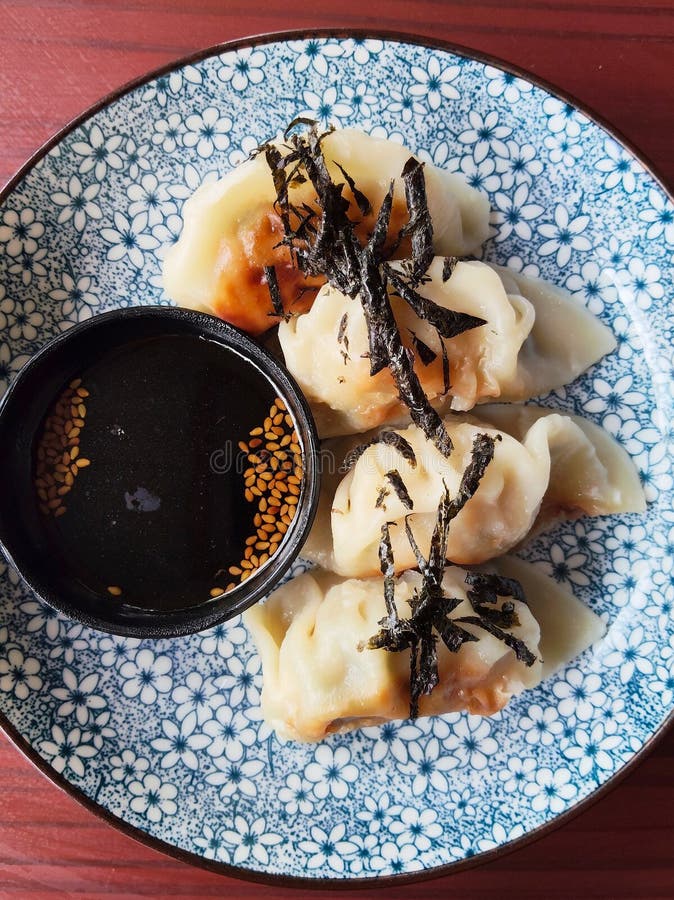
- Gyoza are Japanese pan-fried dumplings, distinct from Chinese jiaozi by their thinner wrappers and finer-minced fillings.
- The signature texture of gyoza comes from a unique cooking method: pan-fried for a crispy bottom, then steamed for a tender top and juicy interior.
- Typically filled with ground pork, cabbage, garlic, and ginger, gyoza are served with a soy-based dipping sauce.
- While pork is classic, vegetarian (yasai gyoza) and shrimp (ebi gyoza) versions are also common.
- Gyoza are usually an appetizer or side dish, perfect for sharing.
Gyoza: What's the Deal with Japan's Favorite Dumpling?
At its heart, gyoza is a Japanese pan-fried dumpling, a beloved appetizer found everywhere from izakayas to ramen shops. While it shares ancestry with the Chinese jiaozi, gyoza has evolved into its own distinct form. Think of it as a culinary cousin, not an identical twin.
What sets gyoza apart? Often, it's the wrapper: typically thinner and more delicate than its Chinese counterpart, allowing for a more pronounced crispness when fried. The fillings tend to be more finely minced as well, creating a smoother, more cohesive bite.
The Perfect Bite: Crispy, Juicy, Savory
A truly great gyoza offers a delightful interplay of textures. The bottom is golden-brown and shatteringly crisp, achieved by frying in a hot pan. Then, a splash of water and a lid turn the pan into a steamer, cooking the top of the dumpling until the wrapper is tender and slightly chewy, and the filling inside becomes wonderfully juicy and aromatic.
The classic filling usually features ground pork, finely shredded cabbage, garlic, ginger, and sometimes chives or green onions. This combination delivers a savory, umami-rich punch that's incredibly addictive. Vegetarian versions, often called yasai gyoza, substitute the pork with a mix of vegetables like cabbage, mushrooms, and carrots, while ebi gyoza features shrimp.
Dipping Sauce: The Essential Accompaniment
No plate of gyoza is complete without its dipping sauce. While recipes vary slightly, the standard is a simple yet potent mix of soy sauce, rice vinegar, and a dash of chili oil for a bit of warmth. Some establishments might add a touch of sesame oil, sugar, or even a squeeze of citrus. This tangy, salty, and spicy dip cuts through the richness of the gyoza, enhancing every bite.
Ordering Like a Pro: What to Expect on the Menu
When you see gyoza on a menu, it’s almost always an appetizer or a side dish. Portions typically come in sets of five or six. Don't be shy about ordering a few plates for the table – they disappear fast.
Sometimes, menus will specify the cooking method. While pan-fried (yaki gyoza) is the most common, you might occasionally see boiled (sui gyoza) or even deep-fried (age gyoza) versions. Each offers a different textural experience, but the pan-fried classic is where you should start your gyoza journey.
If you're unsure about the filling or how a particular restaurant's gyoza looks, apps like MenuDish can be incredibly helpful. You can often see real dish photos matched to the menu item, helping you visualize that crispy bottom and juicy interior before you even place your order. It's a great way to confirm you're getting exactly what you crave.
Don't cook it — find it.
See every dish on any menu before you order. Scan, see the photo, check allergens & nutrition.
Allergens: Wheat, Soy, Pork (if applicable). The MenuDish app flags these automatically for every dish it scans.