Key takeaways
- Rendang is a slow-cooked, intensely aromatic meat dish from Indonesia and Malaysia, not a curry.
- Its distinct flavor comes from a complex spice paste (rempah) and coconut milk, cooked down until rich and fragrant.
- There are two main styles: dry (rendang daging) with no sauce, and wet (kalio) with a thicker gravy.
- Beef is the most common protein, but chicken, lamb, and even some vegetables can be used.
- It’s a celebratory dish, embodying culinary skill and patience, often served at festivals and special occasions.
Rendang: More Than Just a Curry
Let's clear the air right away: Rendang is often mistakenly called a curry, but it’s really not. While it shares some common ingredients with curries – a rich spice paste, coconut milk – the cooking process and end result are distinct. Rendang is a slow-cooked, dry (or semi-dry) dish, where the liquids are reduced over hours until the meat is tender and coated in a concentrated, aromatic paste. It’s a testament to patience and a deep understanding of flavor development, originating from the Minangkabau people of West Sumatra, Indonesia, and widely embraced across Malaysia and Singapore.
Think of it as a culinary journey. The process of making rendang isn't about simmering in a lot of liquid, but about coaxing every bit of flavor from the ingredients, allowing them to meld and intensify as the coconut milk slowly caramelizes and absorbs into the meat.
The Magic of the Rempah (Spice Paste)
The soul of any good rendang lies in its rempah, the complex blend of fresh and dried spices pounded into a paste. This isn't a simple sprinkle-and-stir affair. Typically, a rendang rempah includes ingredients like fresh turmeric, galangal, lemongrass, ginger, chilies, shallots, and garlic. Dried spices such as coriander, cumin, and star anise might also make an appearance. The balance is key, creating a symphony of savory, spicy, earthy, and citrusy notes.
Preparing the rempah traditionally involves a mortar and pestle, a laborious but rewarding process that releases the essential oils and aromas far better than a food processor. This fragrant paste is then sautéed until incredibly aromatic before the meat and coconut milk are added.
Dry vs. Wet: Understanding the Styles
This is where the confusion often comes in. The terms 'dry' and 'wet' rendang refer to the amount of liquid remaining in the final dish. Both start with the same core ingredients and cooking method, but the duration is different:
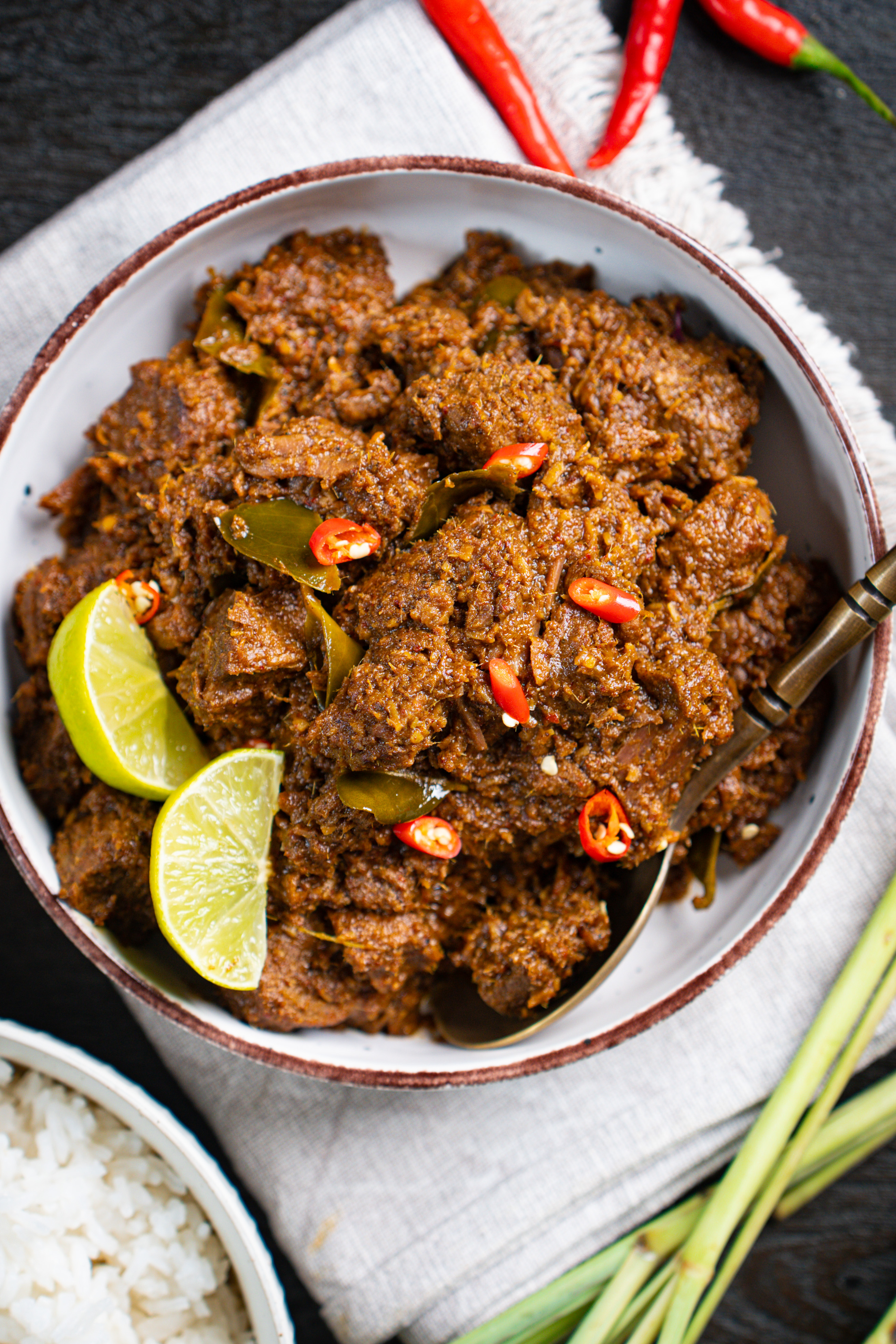
- Rendang Daging (Dry Rendang): This is the most iconic form, cooked until almost all the liquid has evaporated. The meat is tender, and every piece is coated in a rich, dark, caramelized spice paste. It's intensely flavorful, with a chewy texture, and can be stored for longer periods due to its low moisture content. This is what most people picture when they hear 'rendang.'
- Kalio (Wet Rendang): Sometimes called 'wet rendang,' kalio is cooked for a shorter period, leaving a thicker, gravy-like sauce. The flavors are still rich and complex, but the texture is creamier, making it perfect for spooning over rice. It's often served in restaurants as it's quicker to prepare than its dry counterpart.
Neither is 'more authentic' than the other; they are simply different stages of the same cooking process, each with its own delicious appeal.
Beyond Beef: Other Rendang Varieties
While Rendang Daging Sapi (beef rendang) is king, especially in West Sumatra, rendang can be made with various proteins. You'll often find Rendang Ayam (chicken rendang), which cooks faster and yields a slightly different texture. Lamb (kambing) is another popular choice. Some regions even prepare rendang with eggs (telur), offal, or vegetables like jackfruit, though these are less common on international menus.
The choice of protein subtly alters the dish, but the core rendang flavor profile—rich, spicy, and aromatic with coconut—remains consistent.
Ordering Rendang Like a Pro
When you're out and about, here’s how to approach ordering rendang:
- Look for 'Daging Sapi' or 'Ayam': This tells you the protein. Beef is the classic, chicken is a good alternative.
- Ask about the style: If the menu doesn't specify, don't hesitate to ask if it's a 'dry' rendang or has 'more sauce' (kalio). This helps manage expectations.
- Expect richness, not soupiness: Regardless of whether it's dry or wet, rendang should never be thin or watery. It's always a concentrated flavor bomb.
- Pair it right: Rendang is typically served with plain white rice to let the complex flavors shine. It’s also a fantastic component of a larger Nasi Padang (rice with various side dishes) spread.
And if you're traveling and faced with an unfamiliar menu, an app like MenuDish can be incredibly helpful. You can scan the menu, see real dish photos of rendang, and even check for ingredients or allergens, ensuring you get exactly the aromatic masterpiece you're craving.
The Celebratory Heart of Rendang
Rendang isn't just an everyday meal; it's often a dish reserved for special occasions and festivals like Eid al-Fitr (Hari Raya Aidilfitri) and weddings. The long cooking process is a labor of love, a communal activity in many households, and a symbol of hospitality and culinary heritage. Its deep, layered flavors reflect the rich history and diverse cultures of Southeast Asia.
So, the next time you encounter rendang, remember it’s more than just food. It’s a story, a tradition, and a truly unforgettable taste experience.
Don't cook it — find it.
See every dish on any menu before you order. Scan, see the photo, check allergens & nutrition.