Key takeaways
- Porchetta is a traditional central Italian roast made from whole pork or a rolled loin-and-belly combination heavily spiced with garlic and herbs.
- Wild fennel is the defining spice in authentic Roman and Lazio styles, while Tuscan versions lean more heavily on rosemary and sage.
- The hallmark of great porchetta is the skin—blistered, dark mahogany, and crackling like brittle caramel.
- It is most famously eaten warm inside a panino (crusty bread roll) at street markets, roadside vans, or sagre festivals.
Anatomy of a Perfect Roast
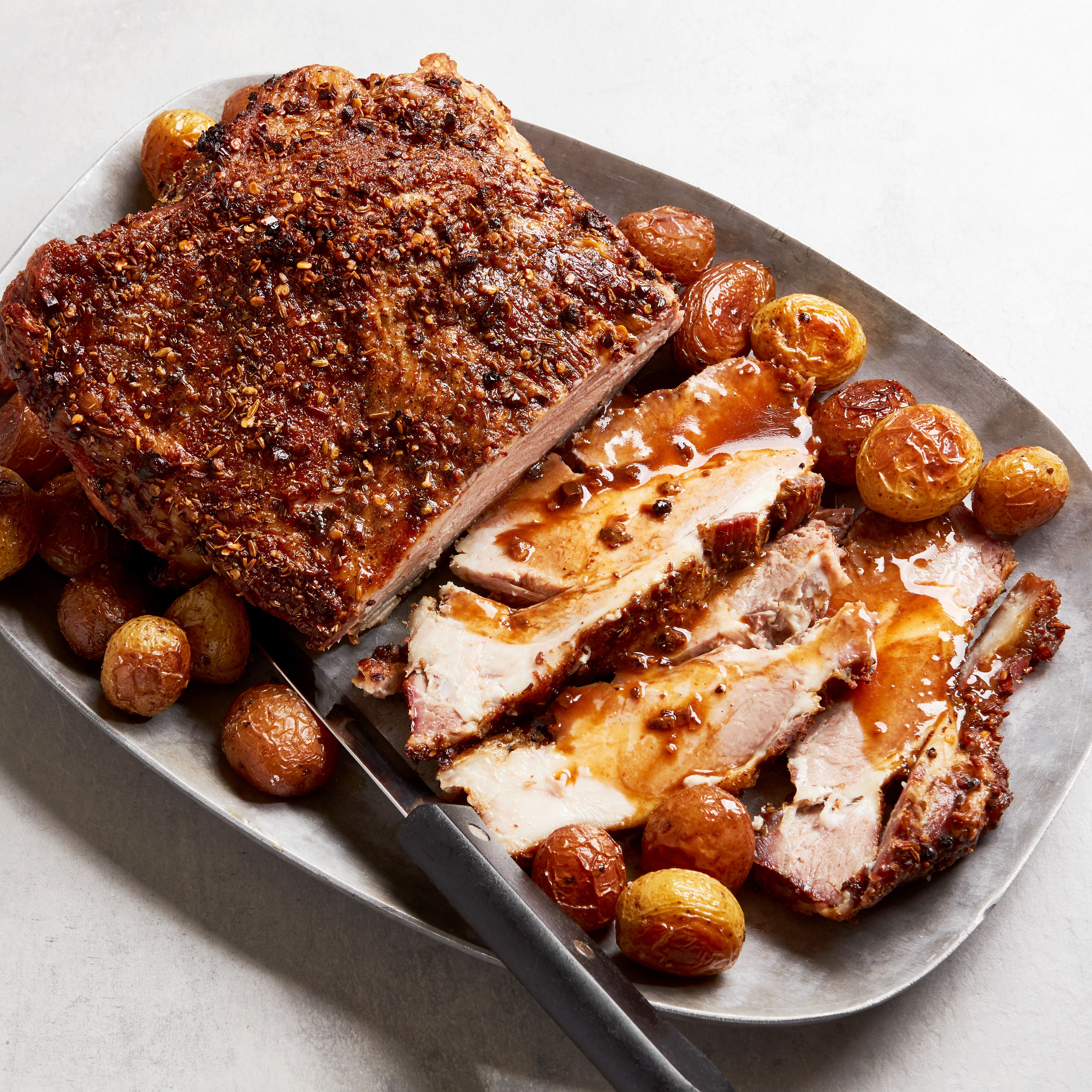
Porchetta is not just roast pork. It is a masterclass in texture contrast. At its core, it consists of fatty pork loin rolled tightly inside pork belly, bound tightly with twine, and roasted slowly over high heat until the fat renders and bastes the meat from within.
The centerpiece of the entire cut is the skin. Before hitting the oven, the exterior is salted and dried thoroughly so that during cooking, the skin inflates into a blistered, golden-brown armor. When sliced with a heavy butcher knife, the sound resembles breaking dry glass. Inside, the meat remains drippingly tender and heavily seasoned with coarse sea salt, cracked black pepper, crushed garlic cloves, and regional greenery.
The Regional Herb War: Fennel vs. Rosemary
Mention porchetta in Italy and you will instantly ignite a debate about herbs. In Ariccia—a hill town south of Rome considered the spiritual capital of porchetta—the defining flavor is finocchietto selvatico, or wild fennel. The cooks stuff the interior with fresh fronds, dried flowers, and crushed seeds, giving the fat an intoxicatingly sweet, anise-like aroma that balances the rich pork.
Head north into Umbria or Tuscany, however, and wild fennel gives way to fresh rosemary, sage, and extra garlic. Both traditions produce extraordinary roasts, but if you taste an anise-forward bite, you are tasting the classic Lazio footprint.
How to Order Porchetta in Italy
You will find porchetta sold in three main places: specialized butcher shops (macellerie), street food trucks parked along highways or outside markets (chioschi), and informal wine taverns (fraschette).
Ordering is straightforward once you know the terminology:
Panino con Porchetta: Thick slices of pork cut straight from the roll and piled into a crusty, unsalted bread roll like rosetta or pane casareccio. In central Italy, adding mayonnaise or cheese to this sandwich is considered an unnecessary distraction from the meat.
Al Etto (By Weight): If you want to eat it without bread as part of an antipasto spread, ask for un etto (100 grams, or roughly a quarter-pound) sliced directly onto butcher paper. Make sure to politely ask for a piece of the crackling—known as la crosta or la cotenna.
Spotting the Real Deal on a Menu
Not all porchetta served outside Italy lives up to the standard. Inferior versions are often made from isolated pork shoulder cuts, baked in home ovens without achieving skin crispness, or soggy from being wrapped in foil while hot.
Look for roasts where the skin is thick, hard, and clearly bubbled. If the skin looks pale, soft, or pliable, the crunch will be missing. When browsing a menu abroad, dish names can sound confusing—especially when a place lists a pork belly roll alongside traditional roasts. Opening MenuDish allows you to check photos of matched dishes at that specific venue so you can see whether you are ordering an authentic crispy street sandwich or just standard sliced roast pork.
Don't cook it — find it.
See every dish on any menu before you order. Scan, see the photo, check allergens & nutrition.
Allergens: Pork. The MenuDish app flags these automatically for every dish it scans.