Key takeaways
- Authentic risotto is creamy, not soupy or mushy, with distinct, al dente rice grains.
- Key to its texture are specific rice varieties like Arborio, Carnaroli, or Vialone Nano, and continuous stirring to release starch.
- Look for the 'all'onda' consistency – it should flow gently like a wave when shaken, not sit stiffly.
- Risotto is a primo (first course), often made to order, and comes in many regional variations beyond just mushroom or saffron.
- Don't be afraid to ask about ingredients or preparation when ordering, especially if you have dietary needs.
The Heart of Risotto: Creaminess, Not Cream
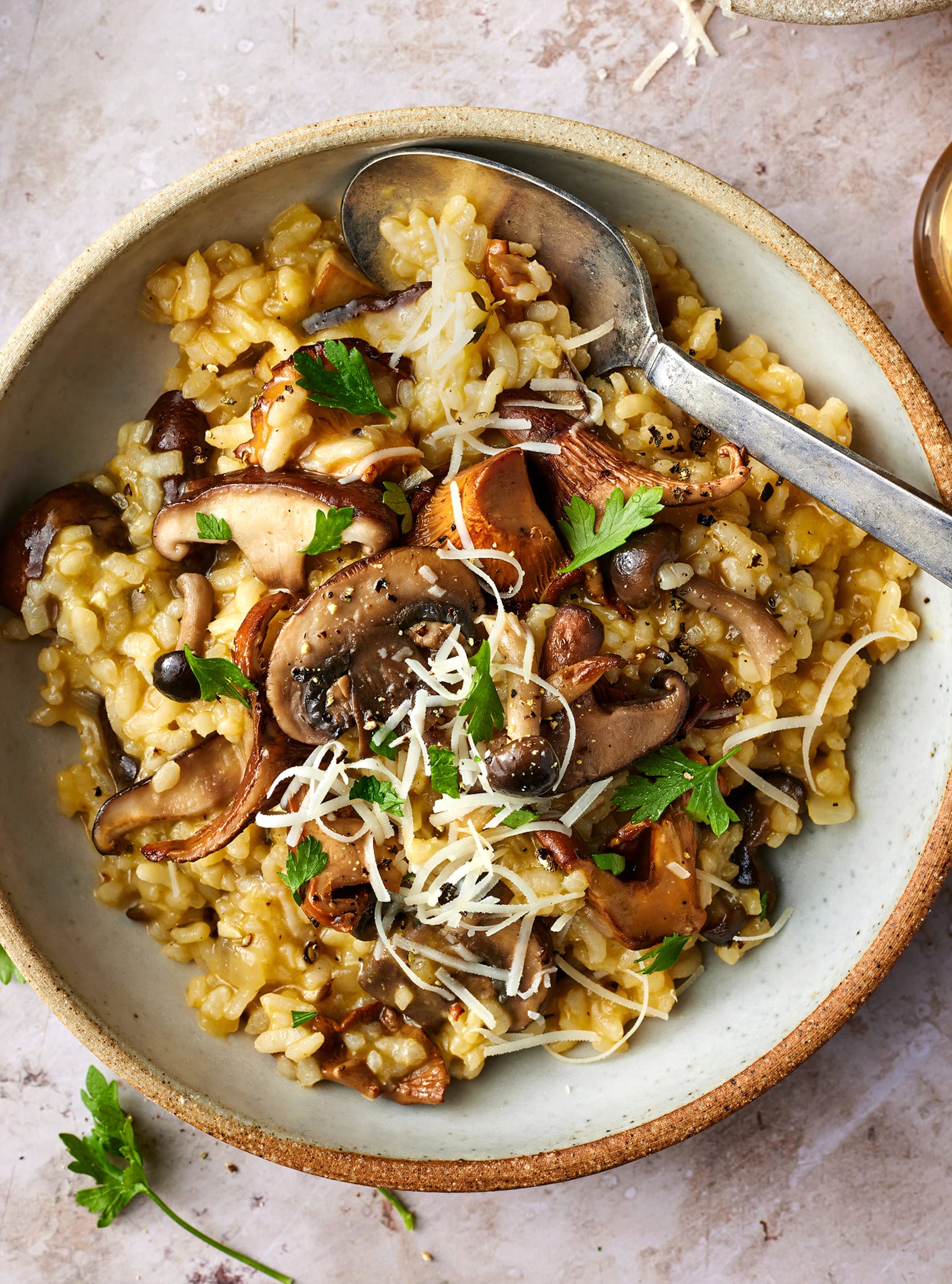
The biggest misconception about risotto is that its signature creaminess comes from a ton of added cream or cheese. While butter and Parmesan are often stirred in at the end (the crucial mantecatura step), the true magic happens through a process of slow cooking and constant stirring. As the rice grains gently rub against each other in hot broth, they release their starches, creating that luxurious, velvety texture.
A good risotto should be all'onda – 'wavy.' When you shake the plate gently, the risotto should spread slightly, flowing like a gentle wave, not standing stiffly or swimming in liquid. Each grain of rice should be perfectly cooked: tender on the outside, but with a slight, pleasant resistance in the center, what Italians call al dente.
The Right Rice Makes All the Difference
You can't just use any old long-grain rice for risotto. The specific short-grain varieties used in Italy are high in starch and have a unique ability to absorb liquid without becoming mushy. The three champions are:
- Arborio: The most widely available and recognizable. It's a larger grain that yields a very creamy risotto, though it can be a bit more forgiving for beginners.
- Carnaroli: Often called the 'king of rices,' Carnaroli is slightly longer-grained than Arborio, holds its shape better, and produces a wonderfully creamy, yet firm, risotto. It's preferred by many chefs.
- Vialone Nano: A smaller, rounder grain that cooks more quickly and is excellent for delicate risottos. It's particularly popular in the Veneto region.
These rices are designed for the job, and using anything else simply won't give you that authentic texture.
Beyond the Basics: Classic Risotto Varieties
While mushroom risotto might be your go-to, Italy boasts a huge range of regional risotto dishes:
- Risotto alla Milanese: The iconic saffron-infused risotto from Lombardy, often served alongside Osso Buco. Its golden hue and rich flavor are unmistakable.
- Risotto ai Funghi: Mushroom risotto, a perennial favorite, can feature porcini, chanterelles, or a mix of wild mushrooms, often enhanced with a touch of white wine and herbs.
- Risotto al Nero di Seppia: A striking black risotto made with squid ink, common in Venice and coastal areas. It's briny, savory, and visually dramatic.
- Risotto alla Zucca: Pumpkin or squash risotto, a sweet and savory delight, especially popular in autumn, often enriched with a touch of sage or amaretti crumbs.
- Risi e Bisi: A Venetian specialty that blurs the line between a soup and a risotto, featuring fresh peas, pancetta, and Parmesan.
Ordering Risotto Like a Pro
When you see risotto on a menu, remember it's typically a primo piatto – a first course – not a side dish. It's often made to order, which means it might take a little longer to prepare. If it arrives suspiciously fast, it might have been pre-cooked, which can compromise the texture.
Don't be shy about asking your server about the type of rice used or the main ingredients, especially if you have allergies or dietary preferences. For example, some risottos might contain meat broth or specific cheeses. If you're ever unsure about a dish description, pulling out an app like MenuDish can be incredibly helpful; you can scan the menu and see real dish photos, along with ingredient lists and common allergens, so you know exactly what to expect before you order.
The Mantecatura: The Final Flourish
The final, crucial step in making risotto, whether in a restaurant kitchen or at home, is the mantecatura. This is when the heat is turned off, and cold butter and grated Parmesan (or other appropriate cheese) are vigorously stirred into the risotto. This emulsifies the fats and starches, adding incredible richness, gloss, and that final touch of creamy perfection. It's what makes the risotto truly sing.
Don't cook it — find it.
See every dish on any menu before you order. Scan, see the photo, check allergens & nutrition.