Blog App & AI Lost in Translation? How AI Helps You Order Exactly What You Want (With Photos!)
App & AI

Lost in Translation? How AI Helps You Order Exactly What You Want (With Photos!)

You're sitting at a charming trattoria in Rome, or a bustling Izakaya in Tokyo. The menu arrives, a beautiful enigma of foreign words. You point to something that sounds vaguely familiar, or maybe just intriguing, and cross your fingers. We've all been there: the surprise dish that arrives, looking nothing like you imagined, or worse, containing an ingredient you absolutely can't stand. It's a common travel frustration, but thanks to advancements in AI, ordering with confidence is no longer a pipe dream.

Lost in Translation? How AI Helps You Order Exactly What You Want (With Photos!)
Lost in Translation? How AI Helps You Order Exactly What You Want (With Photos!) — Photo via MenuDish.

Key takeaways

  • AI-powered apps can instantly translate entire menus, not just single words, providing context for complex dish names.
  • Beyond translation, these tools can surface ingredients, allergens, and nutritional information for specific menu items.
  • MenuDish uses AI to match menu items to real dish photos, showing you exactly what to expect before your food arrives.
  • This technology reduces ordering anxiety, especially when dining in unfamiliar cuisines or with dietary restrictions.
  • You can confidently explore new dishes and authentic local flavors without fear of an unwelcome surprise.

The Universal Menu Mystery: What Am I Actually Ordering?

It's not just about the language barrier. Even in your native tongue, menus can be notoriously vague. "Chef's Special," "Rustic Stew," or "Seasonal Vegetable Medley" could mean a hundred different things. Add a foreign language to the mix, and suddenly you're playing culinary roulette. Is that 'cotoletta alla milanese' a cutlet of veal or pork? Is 'bibimbap' a spicy dish, and what are all those colorful toppings?

Historically, your options were limited: sheepishly ask the waiter (and hope they have time and patience for a full culinary breakdown), resort to Google Translate for individual words (which often misses context), or just blindly pick. None of these are ideal when you're trying to enjoy a relaxed meal.

AI: The Ultimate Menu Translator (Beyond Just Words)

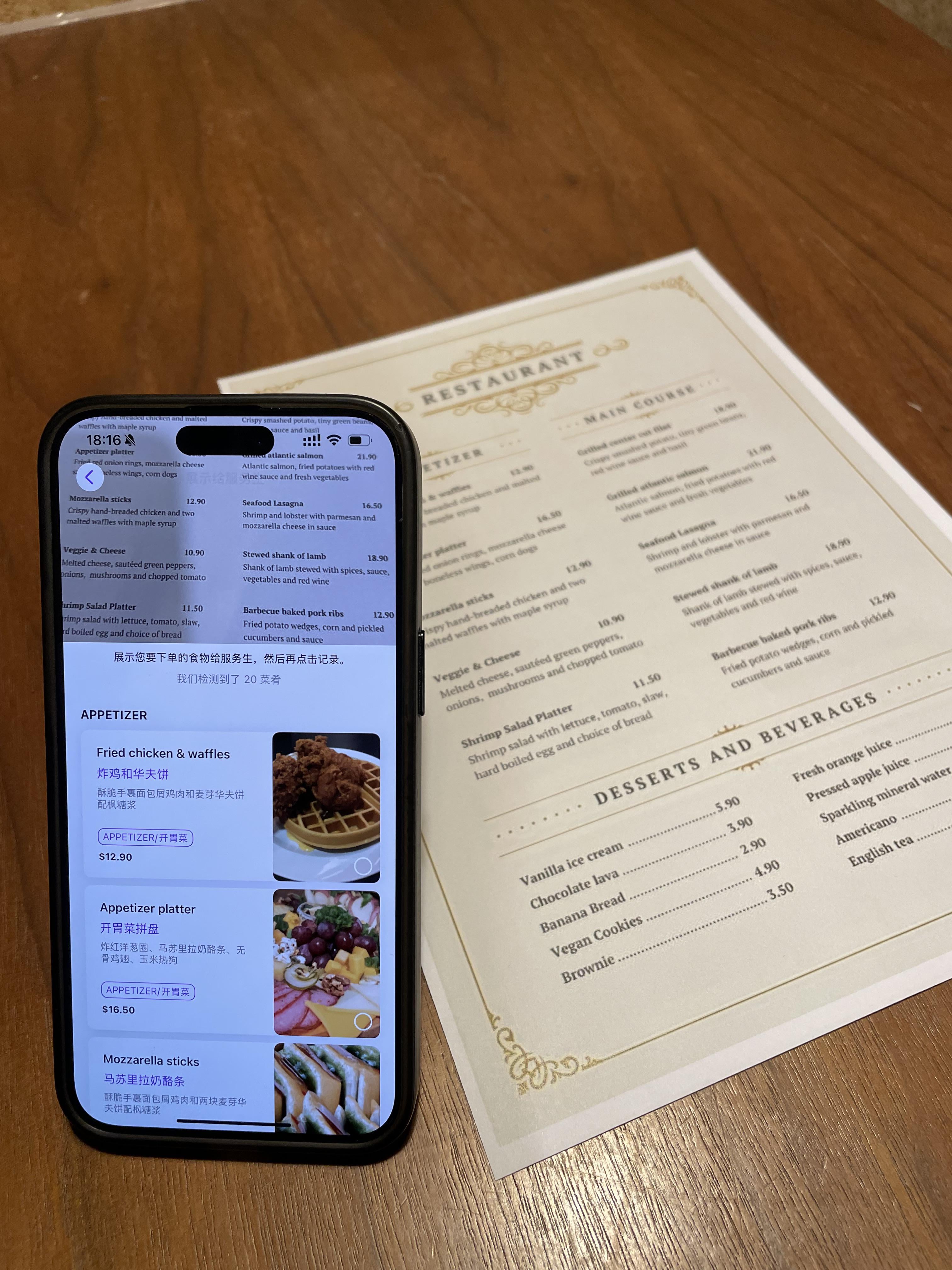
Modern AI has moved far beyond simple word-for-word translation. Now, you can point your phone's camera at an entire menu, and within seconds, get a comprehensive translation. This isn't just about understanding 'pollo' means 'chicken.' It's about understanding that 'pollo al marsala con funghi' is chicken in a Marsala wine and mushroom sauce, not just 'chicken with Marsala with mushrooms.'

The real magic happens when AI can parse the complete dish description, identify key ingredients, and even suggest common allergens. This is a game-changer for anyone with dietary restrictions, allergies, or simply a discerning palate. No more guessing if that delicious-sounding pasta has nuts or if the sauce is dairy-free. It brings a level of transparency to dining out that was previously unimaginable.

Seeing is Believing: Real Dish Photos Before You Commit

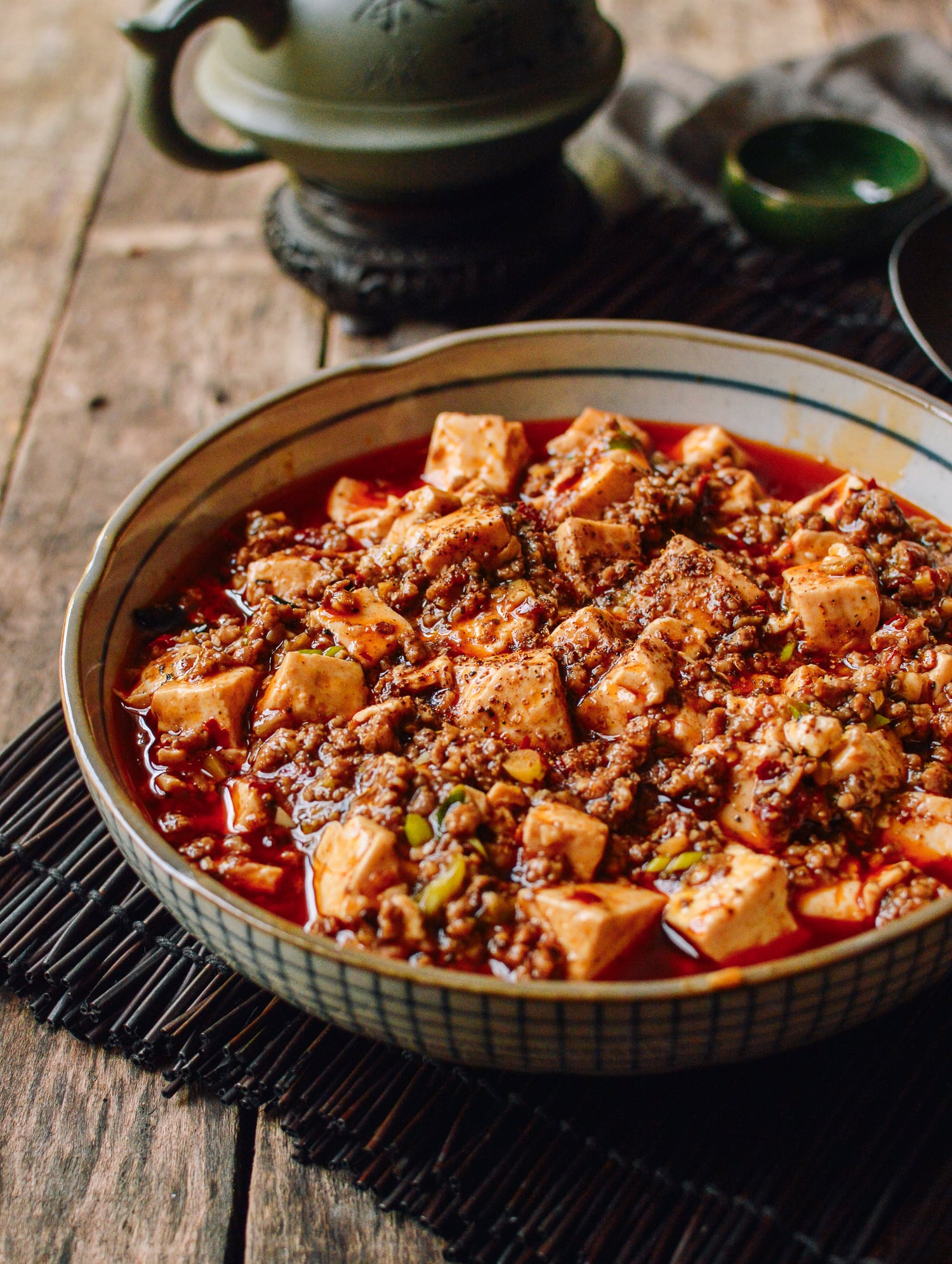
But even with a perfect translation and a list of ingredients, a description can only go so far. What does 'chiles en nogada' actually look like? Is it a hearty stew or a delicate appetizer? Will that 'paella negra' truly be black, and how much seafood is in it?

This is where apps like MenuDish shine. They don't just translate; they use AI to match menu items to real dish photos from extensive databases. You can scan the menu, tap on a dish, and instantly see what it actually looks like. No more abstract descriptions or reliance on a vague mental image. You get to visualize your meal before you even order, making dining out a much more confident and enjoyable experience.

How It Works with MenuDish: From Scan to Satisfaction

The process is surprisingly simple. You open the MenuDish app, point your camera at the menu, and the AI instantly scans and reads the text. It then translates the dish names and descriptions into your preferred language. But here's the crucial part: for each menu item, the app connects to its database of food photography to show you matched photos of what that dish typically looks like. You'll also see ingredients, potential allergens, and even nutritional information, all surfaced by AI analyzing the menu text.

This means you can browse a foreign menu with the same ease and understanding as if it were written in your own language, complete with visual aids. It empowers you to explore new cuisines, try adventurous dishes, and avoid ordering surprises, ensuring you get exactly what you're craving.

Beyond Travel: Everyday Dining Too

While incredibly useful for international travel, this technology isn't just for exotic adventures. How many times have you been to a new local restaurant with an unfamiliar menu? Or tried to convince a picky eater in your group to try something new, only to be met with "But what does it *look* like?" AI-powered menu scanning and photo matching make even domestic dining more accessible and less intimidating. It's about making informed choices, whether you're ordering 'kimchi jjigae' in Seoul or a 'seasonal special' in your hometown.

Don't cook it — find it.

See every dish on any menu before you order. Scan, see the photo, check allergens & nutrition.
Frequently asked questions

How do menu translation apps work?
Menu translation apps use AI to scan text on a menu through your phone's camera. They identify dish names and descriptions, then use machine learning to translate them into your chosen language, often providing context beyond just single words.
Can these apps show me what the food looks like?
Yes, some apps like MenuDish go beyond just translation. They use AI to match the translated menu items to real dish photos from their databases, so you can see exactly what a dish looks like before you order it.
Are the dish photos generated by AI?
No, apps like MenuDish do not generate AI images. They use AI to match menu items to real food photography from extensive photo databases, ensuring you see authentic representations of dishes.
Can AI menu scanners help with allergies or dietary restrictions?
Absolutely. Advanced AI can scan menu descriptions to surface potential ingredients, allergens, and even nutritional information. This helps you make safer and more informed choices, especially when dining with specific dietary needs.
Is using a menu translation app difficult?
Not at all. Most apps are designed to be user-friendly. You simply open the app, point your phone's camera at the menu, and the AI does the rest, providing instant translations and often real photos, ingredients, and allergen info.

Keep reading

Related dish guides

What is Schnitzel? Your Guide to Austria's Crispy, Golden Icon
Dish guide 7 min

What is Schnitzel? Your Guide to Austria's Crispy, Golden Icon

You're sitting in a cozy Austrian Gasthaus or a bustling German biergarten, scanning the menu. There it is, front and center: “Schnitzel.” Sounds simple enough, right? Just a piece of fried meat. But then you see “Wiener Schnitzel vom Kalb,” “Jägerschnitzel,” “Schweineschnitzel,” and suddenly, what seemed straightforward becomes a little less clear. Is it all the same? What’s the difference between veal and pork, and what exactly is a 'hunter's schnitzel' anyway? Ordering the right one can make all the difference between a perfectly crisp, tender experience and a heavy, greasy disappointment.

Read more
What is an Arepa? Your Guide to South America's Versatile Cornbread
Dish guide 7 min

What is an Arepa? Your Guide to South America's Versatile Cornbread

You're scanning a menu, maybe at a vibrant Latin American spot, and there it is: 'Arepas.' Sounds simple enough, but then you see a dizzying list of fillings – 'Reina Pepiada,' 'Pabellón,' 'Domino.' Suddenly, that simple corn cake seems a lot more complicated. Are you ordering a sandwich? A side dish? A breakfast item? It’s easy to feel lost, but understanding the humble arepa is the first step to discovering a truly delicious, endlessly customizable piece of South American comfort food.

Read more
What is Kimchi Jjigae? Your Guide to Korea's Hearty, Fermented Stew
Dish guide 6 min

What is Kimchi Jjigae? Your Guide to Korea's Hearty, Fermented Stew

You're scanning a Korean menu, past the familiar bulgogi and bibimbap, and there it is: Kimchi Jjigae. The name itself hints at something comforting, perhaps a little spicy, but what exactly arrives at your table when you order this iconic dish? Is it just 'kimchi soup,' or is there more to this bubbling pot of fermented goodness?

Read more

Ready to order smarter?

Never order a mystery dish again.

Scan the menu, see real photos for every dish, and check ingredients, allergens and nutrition — all in a couple of seconds.

Lost in Translation? How AI Helps You Order Exactly What You Want (With Photos!) in the MenuDish app
Lost in Translation? How AI Helps You Order Exactly What You Want (With Photos!)