Key takeaways
- Otoshi is a mandatory small dish served upon sitting that acts as the cover charge.
- Order drinks first—usually draft beer, a whisky highball, or a lemon sour—so the table can toast.
- Yakitori skewers are seasoned with either tare (sweet soy glaze) or shio (sea salt).
- End the night with shime, a comforting carb dish like yaki onigiri or ochazuke to round out the meal.
The Otoshi: Why a tiny bowl appears before you order
Shortly after sitting down, your server will set small bowls of food on the table—maybe simmered radish, a bite of octopus salad, or chilled seasoned seaweed. You did not order this, and it is not a free gift from the kitchen.
This is otoshi, a small starter that doubles as the table cover charge (usually 300 to 500 yen per person). Think of it as table rent. Returning it is not standard etiquette, so take a bite, sip your water, and get ready to choose your drinks.
Drinks come first, always
Izakayas operate on a distinct rhythm. The first rule of business is getting a round of drinks on the table fast so everyone can toast with a loud 'Kanpai!'
Draft beer (nama biiru) is the default choice, typically a crisp Japanese lager. If you want something lighter, pick a Highball—whisky mixed with cold soda water over ice in a heavy mug. Sours are another mainstay; a Lemon Sour blends shochu, fresh lemon juice, and sparkling water for a tart drink that cuts right through rich grilled meats.
Yakitori cuts, tare, and shio explained
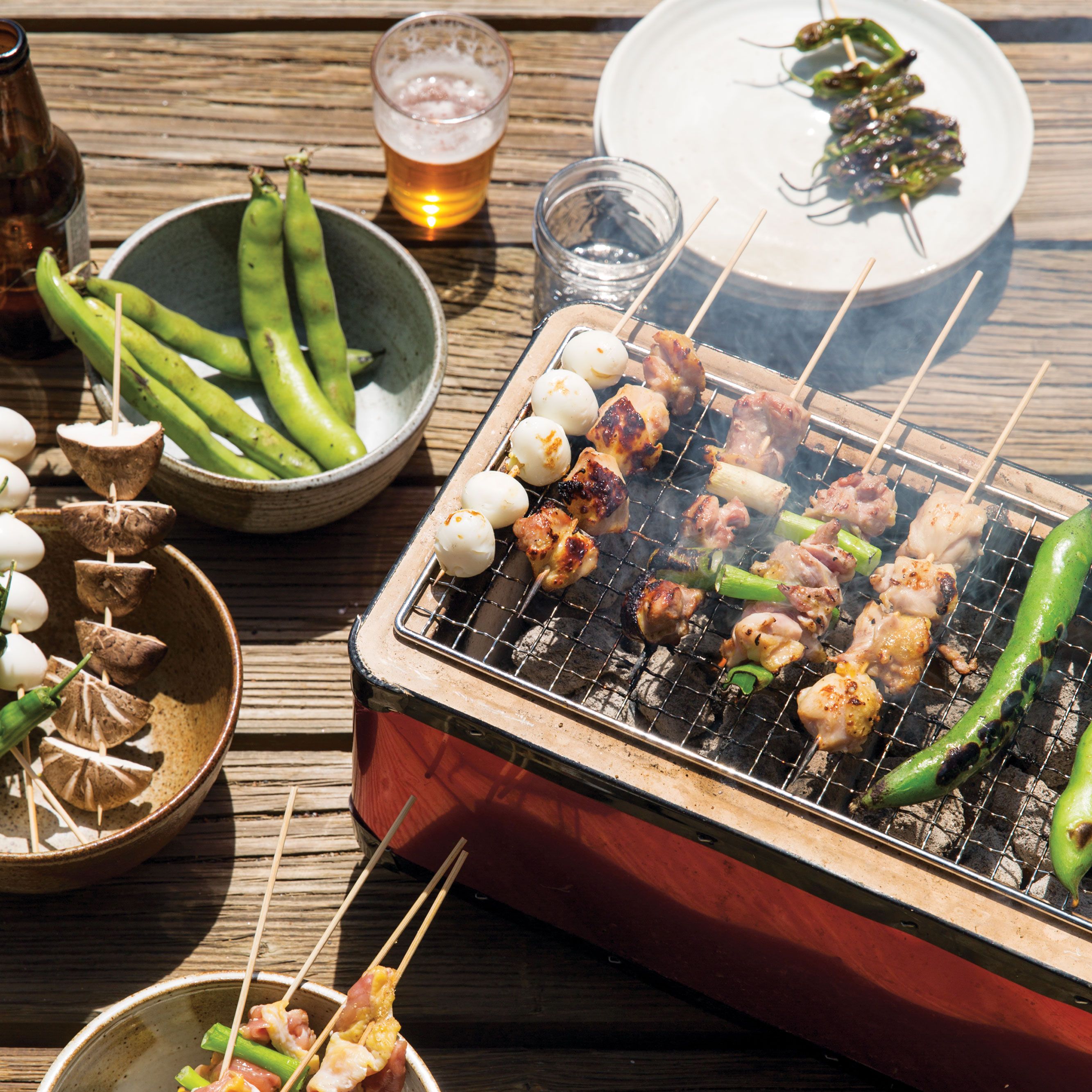
Grilled chicken skewers (yakitori) form the heart of most izakaya menus. When ordering skewers, servers will usually ask: Tare (tar-eh) or Shio (she-oh)?
Tare is a glossy, sweet-and-savory soy glaze brushed onto the meat as it cooks. Shio is simple sea salt, which brings out the natural flavor of the meat and works exceptionally well on fatty cuts.
Common chicken cuts listed on the menu include:
Momo: Juicy chicken thigh, frequently alternating with pieces of scallion (negima).
Mune: Lean breast meat, often topped with a dab of spicy wasabi or tart ume plum paste.
Kawa: Chicken skin grilled over hot coals until crisp. Best ordered with shio.
Tsukune: Minced chicken meatballs, often served with a sweet soy dip and a raw egg yolk.
Sunagimo: Chicken gizzards with a firm, satisfying snap when you bite into them.
Hatsu: Chicken hearts, tender and mild with a light mineral finish.
Small plates: Agedashi, eihire, and crispy sides
An izakaya is designed for sharing small dishes over several hours rather than ordering one large entree per person.
Look for Agedashi Tofu, cubes of silken tofu lightly coated in starch, deep-fried, and floating in a warm dashi broth topped with scallions and shaving bonito flakes. Another table staple is Karaage—Japanese fried chicken marinated in garlic, soy, and ginger, dusted with potato starch for a crackling crust.
For a traditional bar snack, order Eihire (grilled stingray fin). It arrives lightly charred alongside Japanese mayonnaise dusted with red chili pepper. It has a chewy, smoky quality that pairs neatly with dry sake.
Shime: How to end the night with carb-heavy comfort
In Japanese drinking spots, meals rarely end with sugary desserts. Instead, you finish with shime (she-meh)—a comforting dish loaded with carbohydrates to cap off the night.
Popular options include Yaki Onigiri (triangular rice balls brushed with soy sauce and grilled until crisp on the outside), a steaming bowl of Ochazuke (green tea or dashi poured over rice with savory toppings), or Yakisoba (stir-fried wheat noodles with cabbage and pork belly).
What to do when the menu is vertical or untranslated
Neighborhood izakayas frequently feature menus printed on wooden slats hanging from the wall or scribbled in quick handwriting on clipboards. Even if you recognize basic kanji, regional slang and shortened dish names can make ordering feel like a guessing game.
When an English menu isn't available, opening MenuDish lets you scan the menu with your phone. The app translates the item names and matches them to real dish photos from food databases, showing you exactly what crispy kawa or tsukune looks like before it hits your table, along with listed ingredients and common allergens.
Don't cook it — find it.
See every dish on any menu before you order. Scan, see the photo, check allergens & nutrition.