Key takeaways
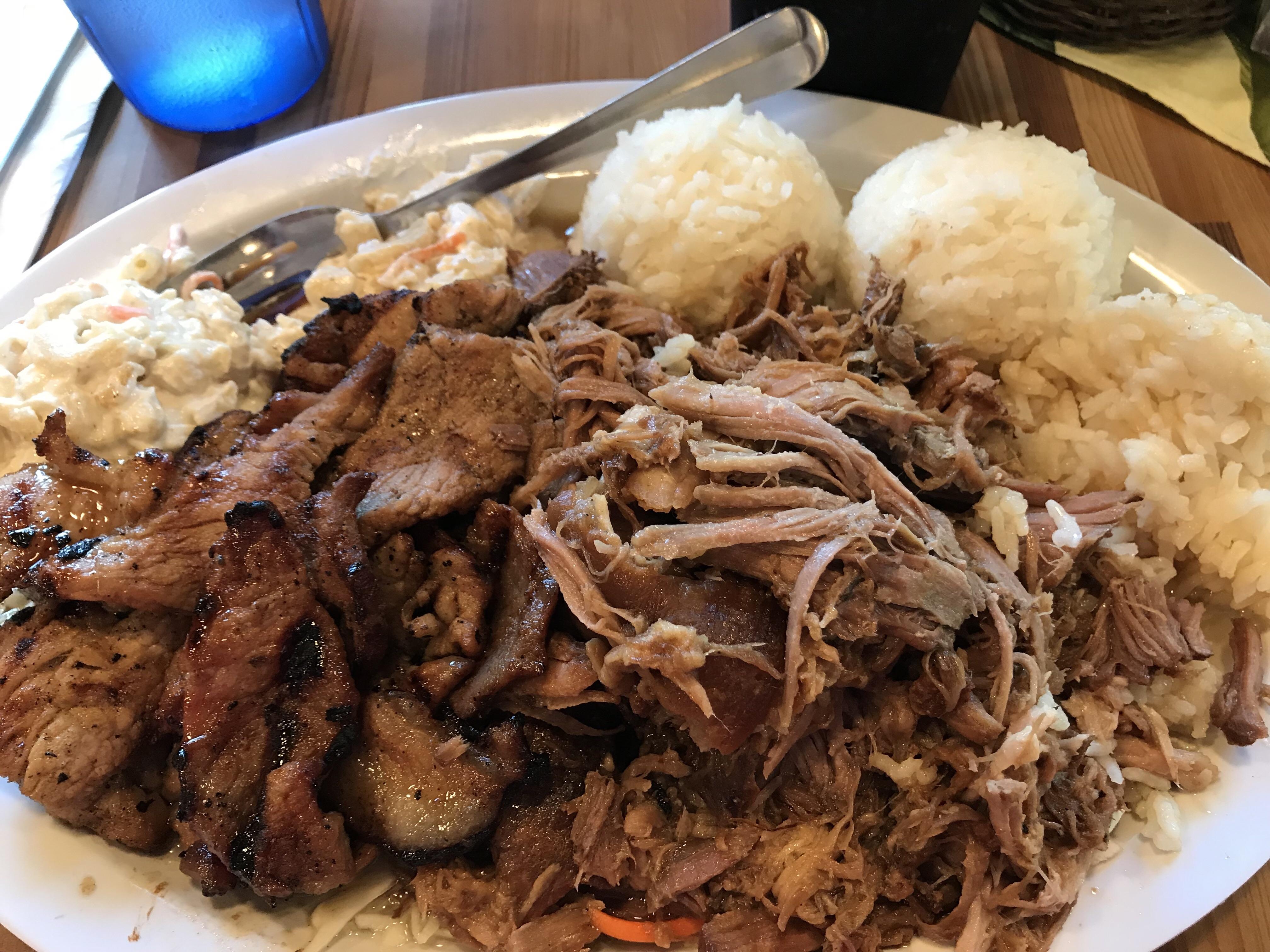
- The standard plate lunch architecture includes two scoops of white rice, one scoop of mayonnaise-heavy macaroni salad, and one main protein.
- A 'mini plate' usually drops one scoop of rice and gives a slightly smaller portion of meat, making it ideal for average appetites.
- Mochiko chicken uses sweet rice flour and garlic-soy marinade, while Chicken Katsu uses panko breadcrumbs for a lighter crunch.
- Gravy options matter: 'gravy all over' covers your rice and meat, while 'gravy on the side' keeps crispy fried items intact.
The three-part architecture of the plate lunch
Every traditional Hawaiian plate lunch follows a blueprint born on 19th-century sugar plantations, where Japanese, Filipino, Portuguese, Chinese, and Hawaiian field hands pooled their leftover lunches. The result is a heavy, carb-forward meal built for hard physical labor.
Unless you specify otherwise, a regular plate consists of three things: two dome-shaped scoops of steamed white medium-grain rice, one scoop of Hawaiian-style macaroni salad, and your chosen protein. The macaroni salad here isn't the tangy, mustardy pickled stuff from mainland delis. It is boiled soft, bound tightly with heavy mayonnaise, cooled with grated onion, and sometimes tossed with shredded carrots or potato.
Kalua pork, katsu, and Mochiko: Sorting the proteins
The protein side of the board splits between smoked island classics and Asian-influenced fry dishes. Knowing the texture difference prevents order regret at the window.
Kalua Pork: Pork shoulder rubbed with sea salt, wrapped in ti leaves, and slow-roasted until it shreds easily. It carries a subtle woodsmoke flavor and juicy salted fat, frequently served alongside shredded cabbage (listed as Kalua Cabbage).
Mochiko Chicken vs. Chicken Katsu: Both are fried chicken staples, but they behave differently on the tongue. Mochiko chicken is marinated in soy sauce, sugar, ginger, and garlic, then dredged in mochiko (sweet glutinous rice flour). It cooks into dark, chewy, savory-sweet nuggets. Chicken Katsu uses thinly pounded chicken breast dredged in coarse panko crumbs, fried flat, and served sliced with a dark, tangy Worcestershire-based katsu sauce.
Beef Teri & Char Siu: Beef Teri features thinly sliced ribeye or sirloin seared fast in a sweet soy-mirin glaze. Char Siu Pork adopts Cantonese sweet roasted pork seasoning, yielding ruby-red edges and caramelized garlic notes.
Loco Moco and the gravy division
If you see a dish with its own cult following on the board, it's the Loco Moco. Born in Hilo in the late 1940s, the classic version anchors a pan-fried beef hamburger patty over a bed of hot rice, tops it with a sunny-side-up or over-easy egg, and smothers everything in thick brown pan gravy. When you break the yolk, it mixes with the salty brown gravy to coat the rice underneath.
Variations abound across neighborhood counters. You can swap the beef patty for SPAM, Portuguese sausage, or fried mahi-mahi. When ordering any meat dish with gravy, the cashier may ask if you want 'gravy on top' or 'gravy on the side.' Asking for gravy over your rice turns the starch into a rich porridge, but keep it on the side if you're ordering fried chicken or katsu to preserve the crispy crunch.
Mini plates, scoop swaps, and counter etiquette
Unless you spent your morning paddling an outrigger canoe, a full-sized plate lunch can easily feed two people. Most counters offer a Mini Plate (sometimes called a small plate). A mini plate drops one scoop of rice and cuts the meat portion slightly, saving you a few dollars and an afternoon food coma.
If you don't eat macaroni salad, you aren't stuck with it. Standard modifications include:
- Toss Salad / Green Salad: Replaces the mac salad with iceberg lettuce and sweet onion or French dressing.
- Two Scoops Rice, No Mac: Replaces the macaroni salad with an extra scoop of rice.
- Brown Rice: Many modern plate lunch spots let you swap white rice for brown rice or hapa rice (a half-white, half-brown mix).
How to spot what you're actually getting
Hawaiian counter menus move fast. Wall boards often list abbreviations like 'Pork Adobo w/ Toss' or 'Mixed Plate A' without explaining sauce thickness or spice levels. Taking a minute before you reach the front of the line helps avoid holding up the crowd.
If a local menu leaves you guessing what a Chop Steak plate or Mahi Mahi Combo looks like, pulling up the MenuDish app lets you scan the physical menu text. It matches items against real food photography databases so you can see portion shapes, gravy density, and side layouts before you place your order.
Don't cook it — find it.
See every dish on any menu before you order. Scan, see the photo, check allergens & nutrition.