Key takeaways
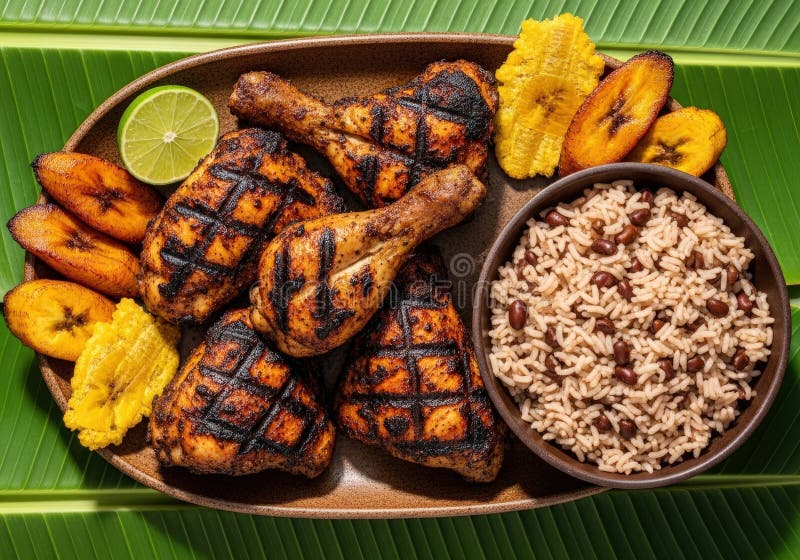
- Authentic jerk is a slow smoking method using allspice and Scotch bonnet peppers, not just a sweet bottled BBQ sauce.
- Gravy on a Jamaican menu refers to the pan drippings from brown stews and curries, poured liberally over rice and peas.
- Ital dishes follow Rastafarian dietary principles—strictly plant-based, cooked without added salt or refined oils.
- Ackee and saltfish looks like scrambled eggs but tastes rich, nutty, and savory; it is Jamaica's national dish.
Jerk isn't a sauce—it's a smokehouse method
Most takeout joints outside the Caribbean slap a spicy barbecue sauce on grilled chicken and call it jerk. In authentic Jamaican spots, jerk refers to a centuries-old preservation and cooking method. Meat—usually chicken or pork—marinates in a thick paste of ground pimento berries (allspice), green onions, thyme, ginger, and fiery Scotch bonnet peppers. It then cooks slowly over green pimento wood charcoal, absorbing wood smoke while developing a dark, deeply aromatic crust.
When looking at the menu board, you will usually choose between quarter, half, or full birds, or pork sold by weight. Don't expect dripping sweet sauce unless you ask for extra jerk gravy on the side. The authentic heat sits inside the wood-charred crust, balanced by fragrant thyme and fresh allspice berries.
Brown stew, curry goat, and asking for gravy
Step away from the grill rack and you enter the realm of long-simmered Caribbean stews. Brown Stew Chicken or Brown Stew Fish starts by searing seasoned protein until deeply bronzed, then simmering it with bell peppers, onions, carrots, and thyme until the braising liquid thickens into a rich, savory glaze. Curry Goat offers a completely different flavor profile—tender, bone-in goat meat slow-cooked with yellow Madras curry powder, Scotch bonnets, and potatoes until the meat separates at the touch of a fork.
When the counter server asks if you want gravy on your rice, the right answer is almost always yes. In Jamaican takeaway culture, gravy means the rich pan reductions scooped directly from the stew pans. If you're scanning a menu and can't tell whether a fish dish comes whole with head attached or filleted, opening MenuDish gives you matched real dish photos so you know what will arrive in your takeout box.
The national dish that looks like scrambled eggs
Listed under the breakfast section or available as a daily lunch special, Ackee and Saltfish catches many first-timers by surprise. Ackee is a fruit native to West Africa that grows in pods across Jamaica. When boiled and tossed into a hot skillet with rehydrated salt cod, tomatoes, onions, scallions, and black pepper, its soft yellow arils crumble into something resembling fluffy scrambled eggs.
The flavor is subtle, buttery, and slightly nutty, acting as a rich backdrop to the salty cod and aromatic herbs. It comes traditionally paired with boiled green bananas, fried dumplings, or dense slices of hard dough bread. If you see Callaloo nearby, that is a leafy green dish sauteed with garlic and peppers, similar to collards or spinach.
Deciphering 'Ital': Jamaica's original plant-based kitchen
Long before vegan dining hit mainstream restaurant menus, Rastafarian cooks developed Ital cuisine. Derived from the word vitality, Ital cooking focuses on natural, unprocessed ingredients intended to nourish life energy. True Ital cooking avoids meat, dairy, refined salt, and artificial preservatives.
On the menu, look for Ital Stew—a creamy, fragrant pot of red kidney beans, pumpkin, sweet potatoes, plantains, and callaloo simmered down in fresh coconut milk with thyme and Scotch bonnet peppers. You might also spot vegetable soups made with split peas and ground provisions like yellow yam and coco root. These pots deliver immense flavor without relying on heavy animal stocks or processed salts.
Patties, hard dough bread, and washing it down
No Jamaican meal feels complete without its supporting cast. An authentic Jamaican patty features flaky, turmeric-tinted shortcrust pastry stuffed with minced beef, curry chicken, or spiced vegetables. Locals often slip a warm beef patty inside Coco Bread—a soft, slightly sweet loaf baked with coconut milk—creating a hearty sandwich.
To wash down heat from Scotch bonnet peppers, skip standard sodas and order a cold glass of Sorrel (a tart hibiscus drink steeped with ginger and spices), Ting (a sparkling grapefruit soda), or a house-brewed Irish Moss drink. Taking a second to match menu names with photos on MenuDish lets you spot the difference between crisp fried plantains, dense fried festival sticks, and steamed ground provisions before you order.
Don't cook it — find it.
See every dish on any menu before you order. Scan, see the photo, check allergens & nutrition.
Allergens: Fish, Gluten. The MenuDish app flags these automatically for every dish it scans.