Key takeaways
- Aguachile relies on instant lime juice cures rather than long steeping, keeping shrimp crisp and snappy.
- Seafood cocteles arrive in cold tomato-citrus broth inside thick stemmed glasses, served with salted crackers.
- Color names indicate chili bases: Verde uses fresh serranos, Rojo uses dried chiltepín or árbol, and Negro uses charred chilies and savory dark sauces.
- Whole fish dishes like Pescado Zarandeado are butterflied and wood-grilled with a smoky chili glaze.
Raw or cooked: getting the texture you expect
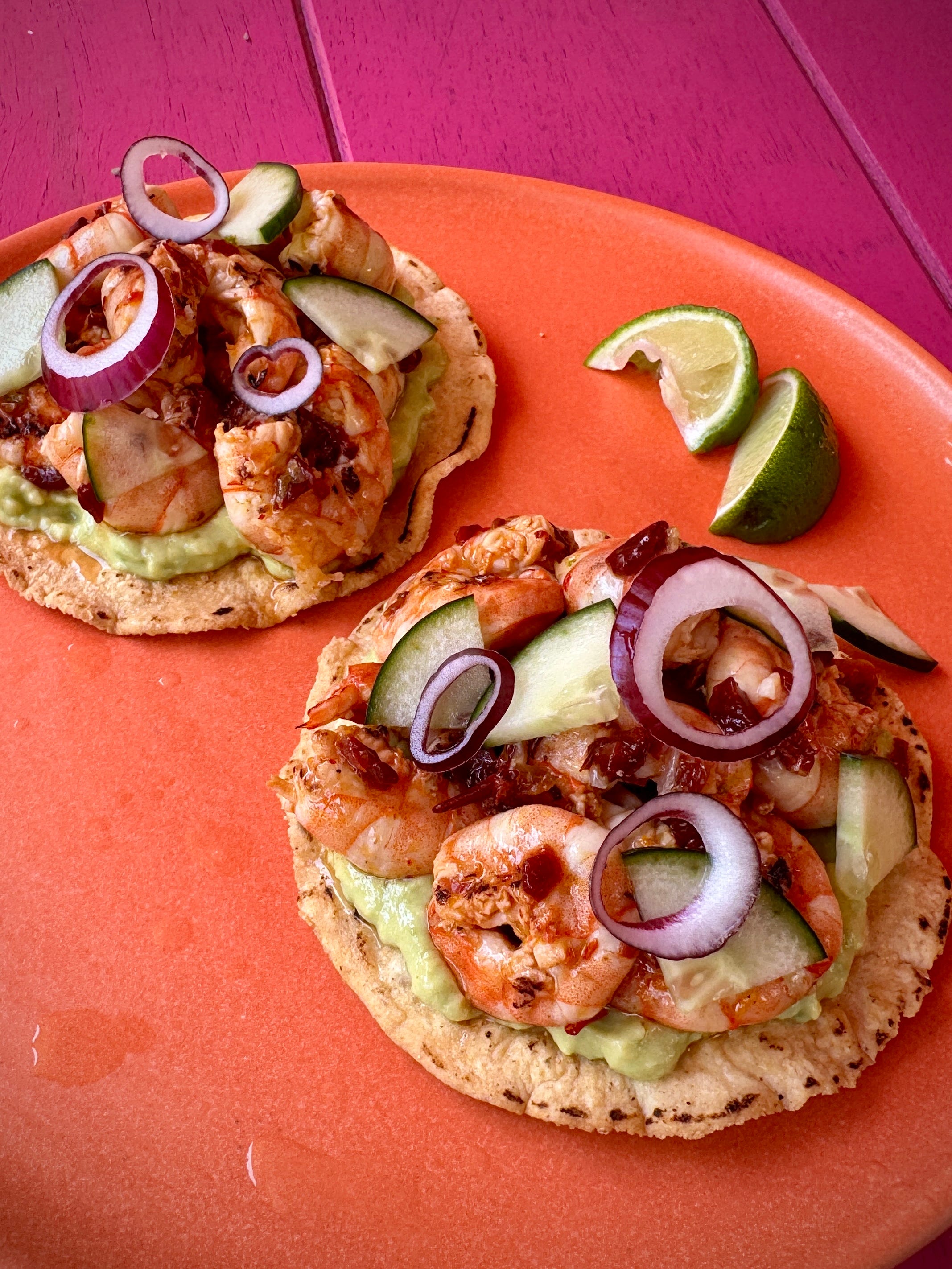
Mexican coastal cuisine treats raw seafood and cooked seafood as completely different categories. If you order a ceviche, the fish or shrimp sits in fresh lime juice long enough for the acid to firm up the proteins, creating a firm, opaque bite mixed with diced onion, cucumber, and cilantro. It usually arrives piled high on a crisp corn tostada smeared with a thin swipe of mayonnaise.
An aguachile takes a different route. Raw butterflied shrimp gets tossed in freshly squeezed lime juice blended with chilies right before serving. The meat stays slick and sweet, balanced by paper-thin half-moons of red onion and cool cucumber slices. If you prefer cooked seafood, look for items labeled cocido or cocinado, which indicates poached octopus, boiled shrimp, or steam-cooked crab meat.
Verde, Rojo, or Negro: understanding aguachile colors
Ordering an aguachile means choosing your chili base, which drastically changes the heat level and flavor profile of the plate.
Aguachile Verde gets its bright green hue from fresh serrano or jalapeño chilies blended with lime juice, fresh cilantro, and sometimes cucumber. It tastes bright, sharp, and intensely herbaceous.
Aguachile Rojo switches out fresh green peppers for crushed dried chilies like chiltepín or chili de árbol. The heat hits deeper in the back of your throat, accompanied by a rich, smoky undertone.
Aguachile Negro relies on a dark salsa made from charred habanero skins, jugos sazonadores (savory liquid seasonings), and Worcestershire sauce. It delivers a rich, dark umami crunch that cuts straight through the sweetness of raw shrimp or scallop coins (callo de hacha).
Cocteles and Vuelve al Vida: gobble up the broth
When seafood arrives in a heavy, thick-stemmed goblet called a chabela, you are looking at a Mexican seafood cocktail. Unlike American shrimp cocktails served dry with dipping sauce, Mexican cocteles submerge boiled seafood in a chilled mixture of sweetened tomato sauce, clam broth, lime juice, diced cucumber, avocado, and hot sauce.
A standard Coctel de Camarón contains poached shrimp, while a Coctel Mixto adds tender octopus chunks and clam meat. If you see Vuelve al la Vida (literally 'return to life'), expect a massive chalice packed with every seafood in the building: shrimp, octopus, oysters, scallops, and crab lump meat swimming in spiced tomato juice. Eating one requires spooning out the solid bites onto saltine crackers before drinking the tangy broth straight from the glass.
Pescado Zarandeado and hot kitchen specialties
If raw seafood isn't your goal, marisquerías excel at wood-fire cooking and deep frying. The crown jewel of Sinaloan and Nayarit seafood stands is Pescado Zarandeado. Cooks split a whole fish—usually snapper or sea bass—down the middle, slather it in an achiote chili paste mixed with soy sauce and lime, and clamp it inside a wire rack over glowing charcoal. The skin turns crackling crisp while the interior stays moist.
Other hot pan classics include Camarones al Mojo de Ajo (shrimp sizzling in rendered butter and sweet golden garlic bits), Camarones a la Diabla (shrimp tossed in a fiery pureed guajillo and chipotle sauce), and Chicharrón de Pescado (crisp, deep-fried bites of battered fish served with lime wedges and tartar sauce).
Table condiments and reading chalkboards without guessing
Every proper marisquería table features a wooden caddy filled with five to ten different hot sauce bottles. Dark sauces like Salsa Huichol, Salsa Valentina, and dark habanero drizzles belong on raw tostadas, while lime slices should be squeezed over hot fried fish just before eating.
When faced with a crowded laminated menu listing local catches like pargo (red snapper), robalo (sea bass), or pulpo (octopus), taking a quick scan with MenuDish helps you identify what those cuts actually look like on a plate so you don't accidentally order a raw dish when you wanted a grilled filet.
Don't cook it — find it.
See every dish on any menu before you order. Scan, see the photo, check allergens & nutrition.