Key takeaways
- The couvert placed on your table is billed per item consumed; push untouched plates aside if you do not want them.
- Look for the handwritten daily special (prato do dia) taped to the wall for the freshest and most affordable options.
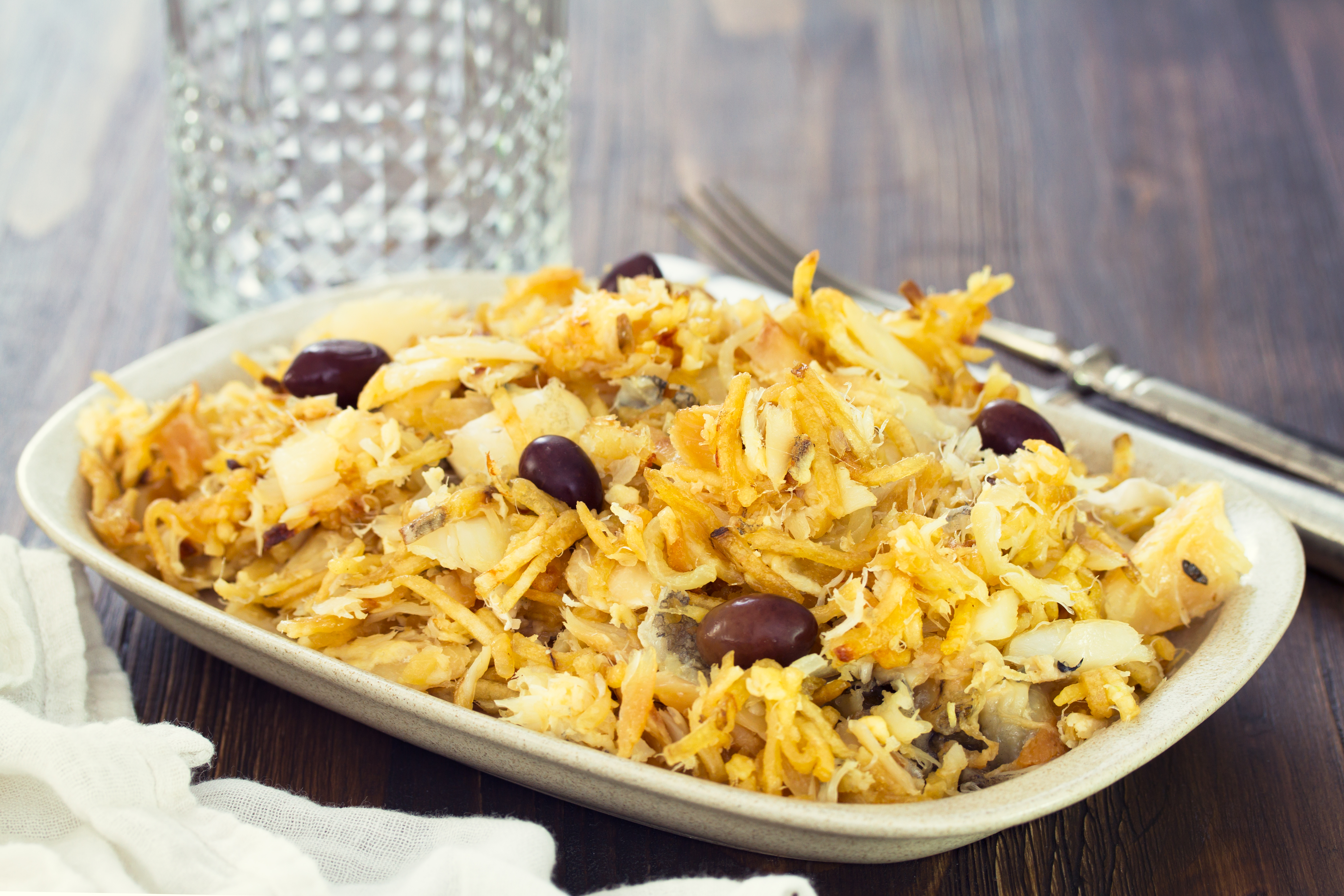
- Bacalhau à Brás and Bacalhau com Natas are approachable starting points for salted cod dishes.
- Order a meia dose (half portion) if dining solo, as standard doses are meant to feed two people.
- Finish your meal with an espresso (café or bica) rather than a milk-heavy coffee.
The bread and cheese on your table aren't free gifts
That spread of olives, crusty bread, whipped sardine butter, and soft sheep's milk cheese dropped at your table is called couvert. In Portugal, it is standard service, but it is not complimentary. Every plate you touch gets tallied individually on your bill. If you don't want it, simply push the dishes to the corner of the table or politely say "não, obrigado" when they arrive. The waiter will whisk them away without taking offense.
However, skipping the couvert blindly is a mistake. A small wheel of creamy queijo de azeitão or a bowl of garlic-marinated olives is often worth the extra two or three euros. Just keep track of what you consume so there are no surprises when the check hits the plastic basket.
Cracking the code of 365 salt cod dishes
Portuguese menus dedicate an entire section to bacalhau (salted cod). Locals joke there are 365 ways to cook it—one for every day of the year. If you see Bacalhau à Brás, expect shredded cod tossed with paper-thin fried potatoes, scrambled eggs, black olives, and parsley. It is rich, comforting, and approachable.
If the menu reads Bacalhau com Natas, you are looking at baked cod layered with heavy cream and cubed potatoes. For something crispier, Bacalhau à Zé do Pipo comes topped with mayonnaise and baked mashed potato borders, while Bacalhau à Lagareiro features whole salted cod roasted in a generous lake of extra virgin olive oil with smashed garlic skin-on potatoes (batatas a murro).
Look at the paper on the wall, not the bound menu
The permanent laminated menu in a neighborhood tasca exists mainly for tourists and staple dishes. The real heart of the kitchen lives on a piece of greaseproof paper taped to the mirror or written in marker near the counter. This is the prato do dia (dish of the day), dictated by what was fresh at the morning market.
Look out for dishes like cozido à portuguesa (a heavy stew of boiled meats, cabbage, and blood sausages) on cooler days, or polvo à lagareiro (tender roasted octopus drenched in garlic olive oil). When you encounter handwritten Portuguese scripts, menu scanning apps like MenuDish help translate regional dish names and show real dish photos matched from photo databases so you do not accidentally order pig ears when you intended to get pork loin.
Ordering a 'dose' will feed a small army
Portion sizes in traditional Portuguese eateries are massive. A standard main dish listed on the menu is typically a dose (full portion), intended to feed two ravenous adults. If you are dining solo or with a lighter appetite, look for the meia dose (half portion) option.
Ordering a meia dose usually cuts the price by 30 to 40 percent while providing more than enough food for one person. If the menu does not explicitly list half portions, ask your server if a meia dose is available for that particular dish—most casual places are happy to accommodate.
Closing the meal: Sobremesa and bica
When main plates are cleared, the waiter will rarely hand you a printed dessert list. Instead, they will rattle off traditional doces da casa (house desserts) at top speed. Listen for doce da casa (a layered dessert of crushed biscuit, sweet condensed milk, and whipped cream), leite creme (Portuguese burnt custard cream), or pudim abade de priscos (a rich egg yolk pudding infused with port wine).
Finish your meal like a local by ordering a bica (a short espresso in Lisbon) or simply asking for um café. Ordering a milk-heavy coffee like a galão after lunch or dinner signals immediately that you are not from around here.
Don't cook it — find it.
See every dish on any menu before you order. Scan, see the photo, check allergens & nutrition.