Key takeaways
- Look for the Tageskarte (daily menu) for seasonal specials like chanterelle mushrooms and wild game.
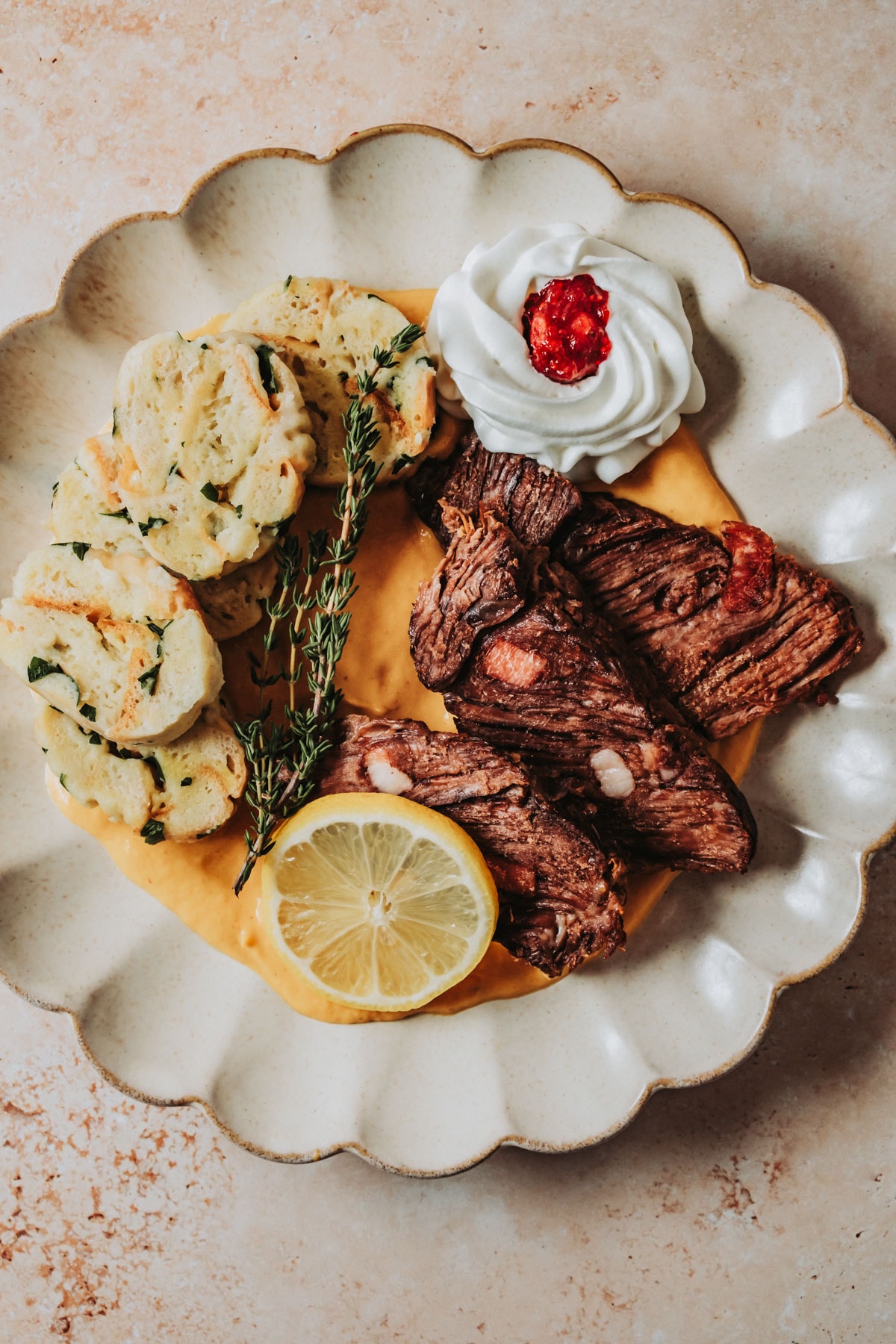
- Tafelspitz is slow-boiled beef rump served with horseradish apple sauce and chive cream, not a heavy stew.
- Brettljause is a cold wooden board of cured meats, cheeses, and tangy spreads ideal for mid-afternoon dining.
- Sweet dishes like Kaiserschmarrn are routinely eaten as full main courses rather than light desserts.
- Austrian menus use regional terms like Erdäpfel for potatoes and Saft for rich meat gravy.
The difference between Tageskarte and Speisekarte
When you sit down, you will often receive two separate menus. The main booklet, or Speisekarte, holds year-round staples like pan-fried schnitzel, goulash, and dumplings. But the single sheet clipped to the front or handwritten on a chalkboard near the bar is the Tageskarte (daily specials). That is where the kitchen shows off seasonal ingredients like wild mushrooms in late summer, wild boar in autumn, or fresh white asparagus in spring.
Ignoring the daily specials means missing the best food in the house. If you see Eierschwammerl (chanterelles) listed on that paper slip, order them tossed with butter and warm bread dumplings before they sell out for the evening.
Tafelspitz and boiled meats: Vienna's Sunday secret
Austrian menus dedicate entire sections to boiled beef cut from specific parts of the cattle. The undisputed king of these cuts is Tafelspitz, a tender tip of beef rump simmered for hours alongside root vegetables, marrow bones, and spices.
It usually arrives at the table with two distinct sauces: Apfelkren (tart grated apples mixed with sharp, fresh horseradish) and Schnittlauchsauce (a cool, creamy chive mayonnaise). If you are scanning the menu and want to check how a dish is traditionally plated before ordering, opening MenuDish lets you see real dish photos paired with ingredient breakdowns so you do not mistake a clear broth soup course for a heavy main stew.
What is a Brettljause (and when should you order it)?
Look toward the bottom of the menu under Kalte Speisen (cold dishes) or Jause. Here you will find the Brettljause, a heavy wooden board piled high with cured meats, smoked pork neck, hard mountain cheeses, pickled chillies, hard-boiled eggs, and dark sourdough rye bread.
Gasthäuser traditionally served this cold platter to mountain hikers and forestry workers after long afternoon shifts. It is designed to be shared over cold beer or cloudy apple cider (Most). Do not skip the spread named Liptauer on the board—it is a tangy mixture of quark cheese, sweet paprika, butter, and capers that pairs perfectly with smoked pork.
Sweet mains: When dessert is actually dinner
Austrian culinary tradition does something unusual: it treats warm, sweet pastry dishes as complete main courses, listed under Mehlspeisen. The star of this section is Kaiserschmarrn, a thick, fluffy pancake shredded into bite-sized pieces in the pan, caramelized with butter and sugar, and served with a tart plum compote (Zwetschkenröster).
Ordering a plate of Kaiserschmarrn as your main meal is standard practice. Just keep in mind that fresh Kaiserschmarrn takes about twenty minutes to cook from scratch, so let your server know early if you plan to order it.
Knödel, Erdäpfel, and gravy codes
Garnishes carry their own specific vocabulary across Austria. Potatoes are almost always listed as Erdäpfel (literally earth apples) rather than the standard German Kartoffeln. You will frequently encounter Erdäpfelsalat, a warm potato salad tossed with beef broth, red onions, and dark pumpkin seed oil instead of heavy mayonnaise.
Dumplings (Knödel) form the carbohydrate backbone of most warm plates. Semmelknödel are made from dried white bread rolls soaked in milk and parsley, built to soak up rich pan gravy (Saft). If you see Kaspressknödel, expect flat bread dumplings packed with pungent mountain cheese, pan-fried crisp and served floating in dark beef broth or over braised sauerkraut.
Don't cook it — find it.
See every dish on any menu before you order. Scan, see the photo, check allergens & nutrition.