Key takeaways
- Eetcafés are informal neighborhood pub-bistros offering hearty Dutch home cooking alongside draft beer.
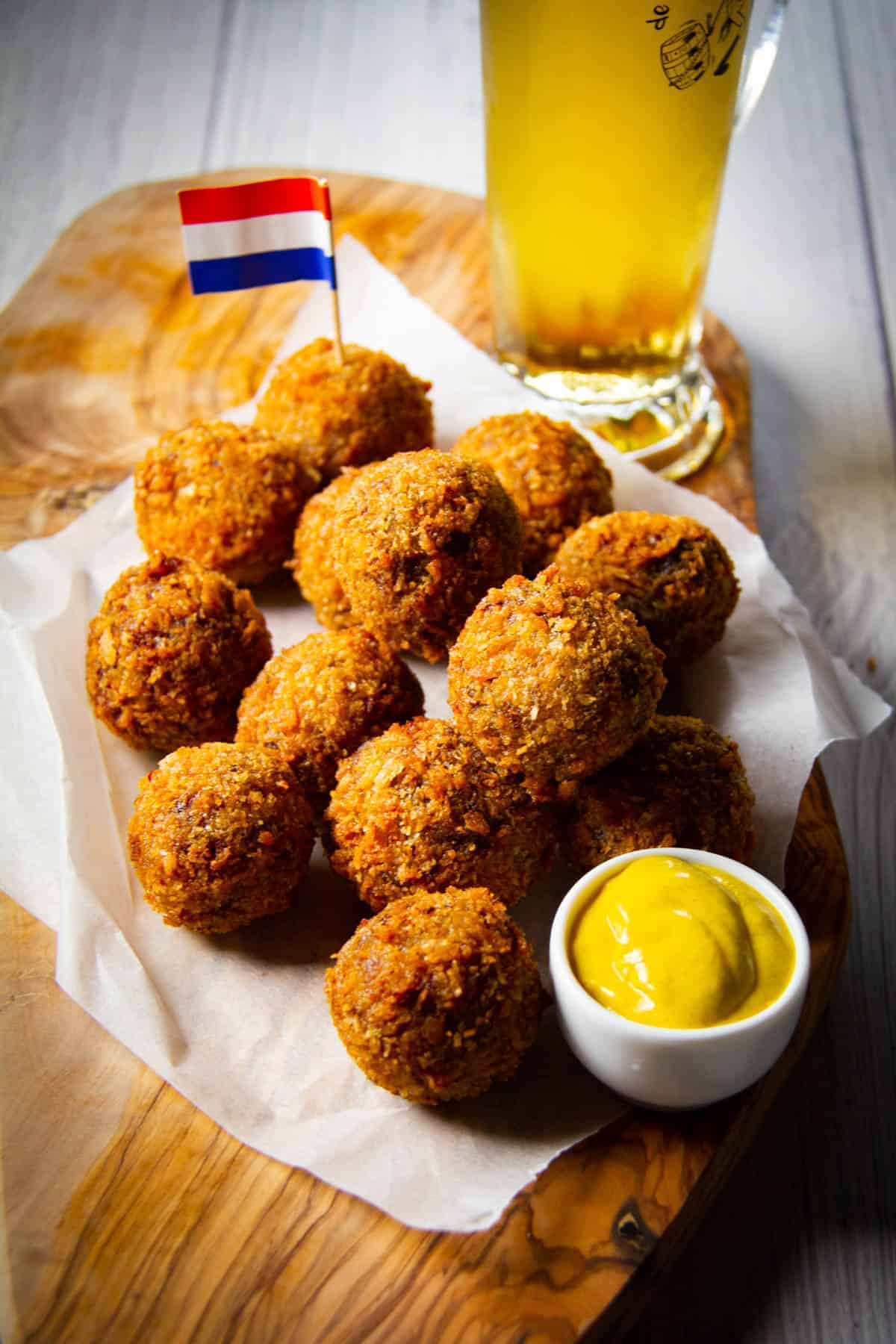
- Bitterballen are scalding-hot fried ragout balls served with mustard, perfect for late-afternoon drinks.
- Patat oorlog (war fries) combines warm peanut satay sauce, mayonnaise, and raw diced onions over thick fries.
- Stamppot consists of mashed potatoes folded with kale, endive, or carrots, topped with smoked rookworst sausage.
- Always expect a thick two-finger head of foam on Dutch draft beers to protect carbonation.
What makes an eetcafé different from a regular restaurant
An eetcafé is the Dutch answer to a pub bistro. It sits directly between a neighborhood drinking den and a casual dining room. The lights stay low, dark wood covers the walls, and the atmosphere revolves around gezelligheid—an untranslatable Dutch concept that captures warm, cozy sociability.
Unlike formal Dutch dining rooms, eetcafés focus on unpretentious, rib-sticking meals that pair well with draft beer. You can sit down for just a drink and a bowl of fried snacks, or stay for a full three-course dinner. Ordering is relaxed, service is informal, and the chalkboard menu shifts with the seasons.
Decoding borrelhapjes: bitterballen, vlammetjes, and kaastengels
Around 4:00 PM, Dutch pub culture switches to borrel time—after-work drinks paired with deep-fried bar snacks called borrelhapjes. The indisputable king here is the bitterbal. Despite the name, bitterballen aren't bitter at all. They are bite-sized spheres filled with a rich, slow-cooked beef ragout, coated in breadcrumbs and fried to a dark golden brown. You dip them in sharp yellow mustard, but be careful: the inside holds molten heat capable of blistering your tongue if you bite down too fast.
Other common fried snacks include kaastengels (crispy spring rolls stuffed with melted Gouda cheese) and vlammetjes (spicy minced pork or beef in a crunchy wrapper). If you want a little of everything, ask for a bittergarnituur, which lands a mixed platter of fried goods right in the center of your wooden table.
Why patat comes with peanut sauce, curry, and mayo
Fries in the Netherlands—called patat in the north and friet in the south—are thick-cut, double-fried, and served as a staple side dish or bar snack. But ordering them plain will draw confused looks from the bartender. The default order is patat met, which literally translates to 'fries with,' automatically meaning a thick dollop of heavy Dutch mayonnaise.
Things get interesting when you venture into compound sauce toppings. Patat speciaal tops your fries with mayonnaise, sweet curry ketchup, and raw diced onions. If you want something distinctly Dutch-Indonesian, order patat oorlog (literally 'war fries'). It arrives smothering your fries under warm, savory peanut satay sauce, mayonnaise, and chopped raw onions. The sweet, salty, and creamy contrast works surprisingly well.
The heavy hitters: stamppot, snert, and kipsaté
When the sun sets and the temperature drops, eetcafé main courses lean heavily into winter comfort foods. The classic home-style meal is stamppot, a hearty dish made by mashing potatoes together with vegetables like kale (boerenkool), endive (andijvie), or carrots and onions (hutspot). It is served alongside a smoked pork sausage (rookworst) or slow-braised beef shank (draadjesvlees), with a dimple pressed into the middle of the potatoes to hold a pool of rich meat gravy (kuiltje jus).
Another staple on every eetcafé chalkboard is kipsaté. Influenced by Indonesia's historical ties with the Netherlands, this dish features grilled chicken skewers drowned in a thick, sweet-and-savory peanut sauce, served with fries, pickled cucumbers, and crispy shrimp crackers (kroepoek). During colder months, look for snert—a thick split pea soup laden with pork belly, celeriac, and sliced sausage, thick enough that a spoon stands straight up in the bowl.
How to scan Dutch menus without getting tripped up
Dutch menus love long compound words that combine three or four ingredients into one terrifying twenty-letter string. Varkenshaasje met champignonsaus is simply pork tenderloin with mushroom cream sauce, while gehaktbal uit de jus is a large, spiced Dutch meatball simmered in gravy.
If you get stuck trying to parse a chalkboard packed with regional slang and dense vocabulary, holding your phone up to scan the board with MenuDish lets you instantly see what dishes look like matched with real food photos. Seeing a photo of a golden kroket next to a bowl of hutspot takes the hesitation out of ordering dinner in an unfamiliar neighborhood joint.
Ordering drinks and finishing with appeltaart
When ordering beer at an eetcafé, asking for a simple 'bier' will get you a standard draft pilsner served in a small glass called a vaasje (straight glass) or a fluitje (thin, small glass). Dutch draft beers always come topped with a thick two-finger head of foam, shaved flat at the tap with a wet plastic spatula to seal in the carbonation. The foam head is intentional and keeps the beer fresh while you drink.
For dessert, skip fancy pastries and stick to classic comfort sweets. The traditional choice is Dutch appeltaart, a deep-dish apple pie packed with spiced apples, raisins, and a buttery, cookie-like crust. Always say yes when asked if you want slagroom (fresh unsweetened whipped cream) on top. If you prefer ice cream, order a dame blanche—a glass of vanilla ice cream served with a small pitcher of warm dark chocolate sauce poured over the top at your table.
Don't cook it — find it.
See every dish on any menu before you order. Scan, see the photo, check allergens & nutrition.
Allergens: dairy, gluten, mustard, peanuts, soy. The MenuDish app flags these automatically for every dish it scans.