Key takeaways
- Char kway teow gets its iconic smoky flavor from intense, high-heat wok frying called wok hei.
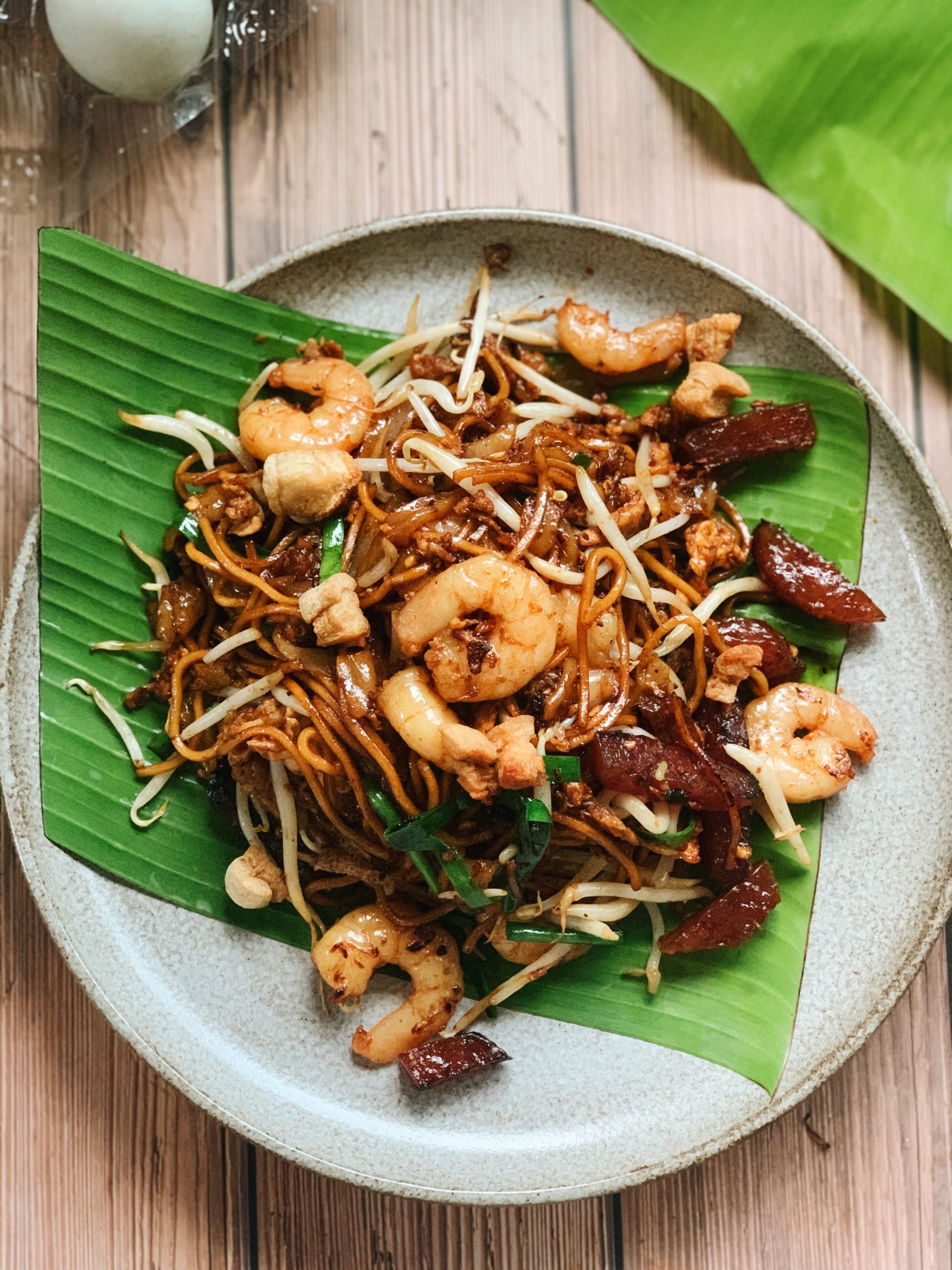
- Core ingredients include flat rice noodles, dark and light soy sauces, lap cheong sausage, blood cockles, bean sprouts, and crispy pork lard.
- Penang style is savory, dry, and spicy, while Singapore style mixes egg noodles with rice noodles for a darker, sweeter finish.
- Blood cockles are added at the very end of cooking, but you can easily order the dish without shellfish.
The smoky science of wok hei
If you take flat rice noodles and stir-fry them in a domestic pan over a standard stove burner, you get savory noodles. But you don't get char kway teow. The defining characteristic of this legendary Malaysian and Singaporean street food is wok hei, translated from Cantonese as the "breath of the wok."
Hawkers achieve this flavor by blasting heavy carbon steel woks with high-BTU gas burners that produce intense, roaring heat. Oil and rendered fat vaporize into fine droplets, momentarily catching fire above the rim. When the slippery rice noodles hit that searing metal, the sugars in dark soy sauce instantly caramelize, leaving a charred, smoky perfume clinging to every strand without turning the food bitter.
What actually goes into a classic plate
While small variations show up from stall to stall, a traditional batch relies on a precise lineup of high-flavor ingredients cooked in lightning-fast stages:
Flat Rice Noodles (Kway Teow): Slippery, wide-cut rice noodles absorb dark and light soy sauces rapidly without turning to paste under high heat.
Rendered Pork Lard and Crisp Cubes: Authentic cooks fry with lard instead of vegetable oil. Golden, crunchy bits of fried lard fat are tossed in right at the end for sudden, decadent bursts of crunch.
Lap Cheong and Fish Cakes: Sweet, firm Chinese pork sausage provides a chewy sweet-savory contrast, balanced by thin slices of springy fish cake.
Blood Cockles (Hum): These small, mineral-rich bivalves hit the searing wok during the final three seconds of cooking. They stay plump and barely warm, giving the plate its distinct briny signature.
Bean Sprouts and Garlic Chives: Plump raw bean sprouts and fresh chives add moisture, pepperiness, and clean crunch to cut through the heavy soy glaze.
Penang style vs Singapore style: Spotting the difference
Ordering char kway teow in Penang feels noticeably different from eating a plate in Singapore, and locals defend their preferred style fiercely.
Penang char kway teow leans toward purism. Hawkers stick strictly to flat rice noodles tossed over blistering heat with light soy sauce, chili paste, duck or chicken egg, and lard. The finished plate looks pale, dry, sharply savory, and fiery. Top Penang stalls frequently crown their noodles with plump, sweet local prawns.
Singapore style mixes wide rice noodles with round, yellow egg noodles. It relies on a heavier pour of sweet dark soy sauce, creating a glossy, rich noodle dish that leans distinctly sweeter. You will also spot a higher density of bean sprouts tossed through the batch to handle that sweetness.
Cockles, lard, and how to order like a local
Reading a faded hawker stall board full of acronyms like "CKT" or price tiers based on prawn counts can leave you guessing what actually ends up on your plate. Opening MenuDish to scan a hawker board matches items directly to photos of real dishes while highlighting hidden triggers like blood cockles or shellfish broth base.
When you step up to the counter, a few quick phrases help customize your plate perfectly:
"Mai Hum" (No Cockles): If you want to skip undercooked shellfish or have mollusk allergies, saying this leaves the cockles off your plate entirely.
"Extra Spicy": The hawker will throw a generous extra scoop of fresh chili paste directly into the smoking lard before dropping in the noodles.
"Duck Egg": Where available, asking for a duck egg instead of chicken adds richer, creamier ribbons of yolk that cling tightly to the rice noodles.
How to spot a top-tier kway teow stall
Queue length matters at hawker centers, but watching the cook work for two minutes tells you far more about quality than line size.
A serious master cooks individual portions or two plates at a time max. Stir-frying massive batches cools the wok, smothering the flame and boiling noodles in their own moisture rather than crisping them. Look for a bright blue jet flame, rhythmic clacking of a metal spatula against steel, and a steady haze of smoky steam drifting above the wok. If your plate arrives glistening with light oil but free of watery liquid pooling underneath, you've found a great cook.
Don't cook it — find it.
See every dish on any menu before you order. Scan, see the photo, check allergens & nutrition.
Allergens: Shellfish, Eggs, Soy, Gluten, Mollusks. The MenuDish app flags these automatically for every dish it scans.