Key takeaways
- Despite the name meaning 'little goat', a traditional chivito is made with thinly sliced beef tenderloin (lomo).
- 'Chivito al pan' comes served in a soft bun, while 'chivito al plato' skips the bread and serves everything over fries and salad.
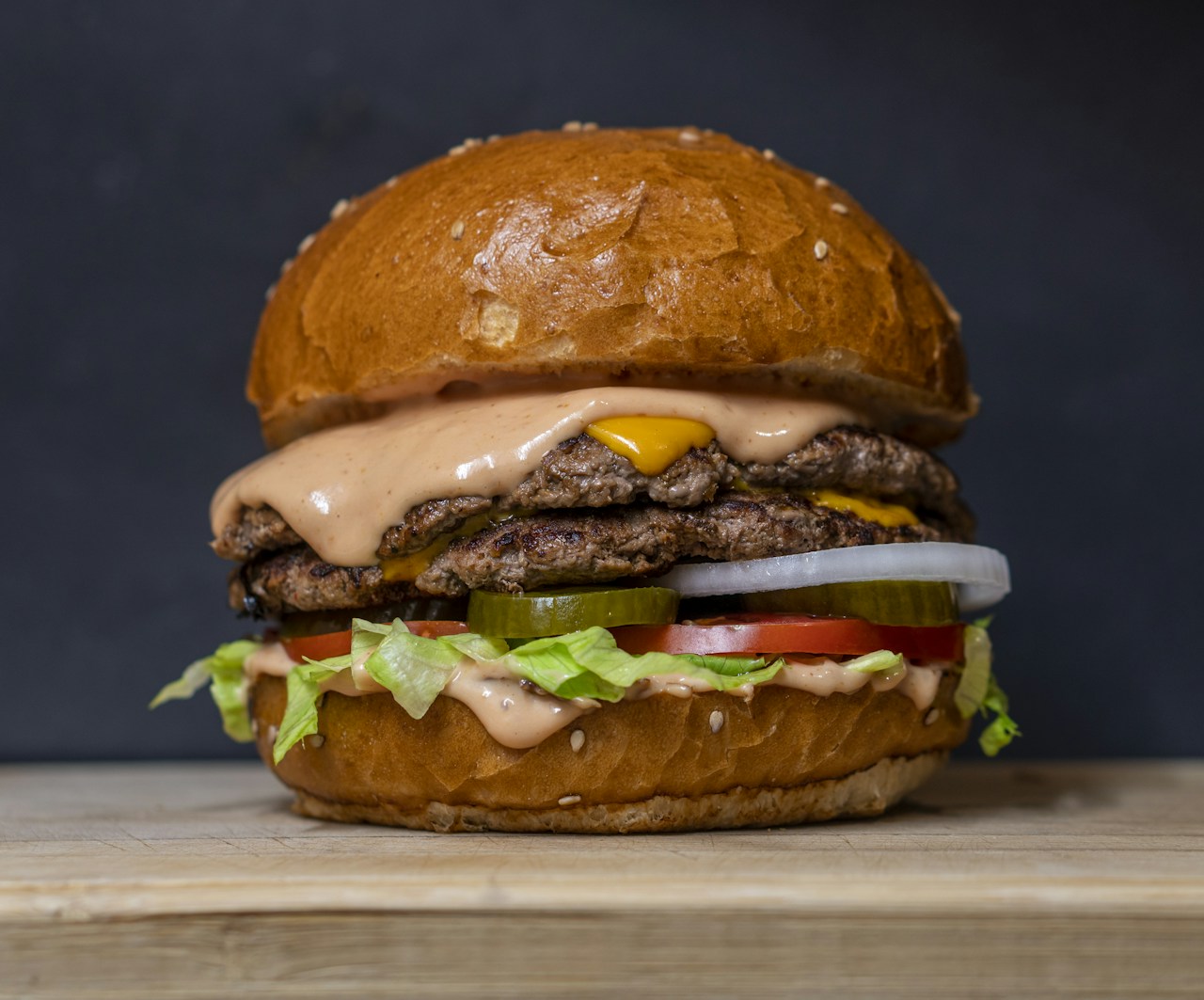
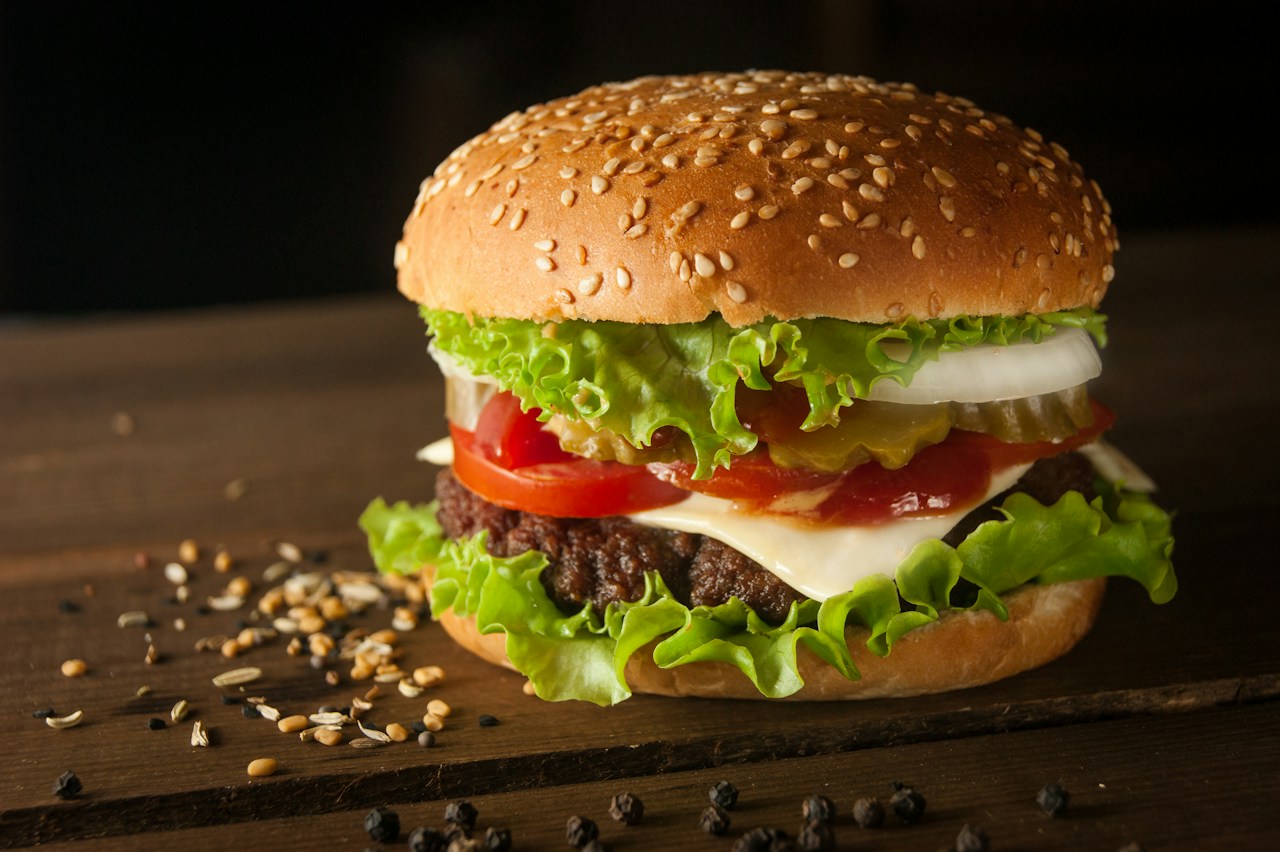
- The signature stack layers tender beef, ham, melted mozzarella, bacon, fried egg, lettuce, tomato, and mayo.
How a bar kitchen mistake became a national icon
Legend has it that in 1944, an Argentine traveler walked into El Chivito, a bar in Punta del Este, and asked the owner, Antonio Carbonaro, for a sandwich made of goat meat (chivito) like the ones she ate back home. Carbonaro did not have goat in the kitchen, but he was determined not to lose the customer. He buttered a soft white roll, laid down a thin slice of seared beef tenderloin, added cooked ham, and melted a slab of cheese over the top.
The customer loved it so much that Carbonaro added it to the permanent menu. Soon, he was experimenting with bacon, fried eggs, and pickled red peppers, selling hundreds a day. Decades later, Uruguayans still eat chivitos for lunch, after football matches, and long past midnight after leaving late-night bars.
Anatomy of the stack: What actually goes inside
A proper chivito is not just a beefed-up hamburger. The core ingredient is lomo—beef tenderloin pounded thin so it cooks in under a minute on a flat-top grill while staying tender enough to bite through clean without pulling the sandwich apart.
layered over the beef is cooked ham, melted mozzarella, crisp bacon, a fried or sunny-side-up egg, tomato slices, lettuce, and a generous smear of mayonnaise. Many traditional chiviterías will also offer add-ins like morrón (roasted red pepper), sliced green olives, or hearts of palm.
Chivito al pan vs. chivito al plato
When sitting down at a neighborhood bar de minutas in Uruguay, you will see two main formats on the menu. Choosing between them determines whether you need napkins or a knife and fork.
Chivito al pan: The traditional sandwich served inside a soft, round roll (usually a pan de tortuguita). It usually comes wrapped tightly in paper or sliced in half with a side of french fries.
Chivito al plato: The breadless version, which is less of a sandwich and more of a mountain. The steak, ham, cheese, eggs, and toppings sit on a bed of fries, flanked by scoopfuls of creamy Russian potato salad (ensalada rusa) and tomato slices. It easily feeds two people.
If you are looking at a Spanish menu without photos, pulling up MenuDish lets you match menu items with real food photography so you know whether you are ordering a quick handheld meal or a massive platter meant for sharing.
How to spot a great chivitería
Skip the polished hotel dining rooms and head to busy corner bars where the flat-top griddle sits right behind the counter. A real chivitería smells like toasted butter and searing steak, not old fryer oil.
Pay attention to the bread. Hard baguettes or crusty rolls ruin the experience by squeezing the tender meat and toppings out the sides when you bite down. The roll should be soft, light, and toasted just enough to hold the juices together.
Don't cook it — find it.
See every dish on any menu before you order. Scan, see the photo, check allergens & nutrition.