Key takeaways
- Authentic Cacio e Pepe uses only three core ingredients: Pecorino Romano cheese, black pepper, and pasta (typically tonnarelli or spaghetti).
- The dish's signature creamy sauce is an emulsion created by vigorously mixing grated Pecorino Romano, freshly ground black pepper, and starchy pasta water.
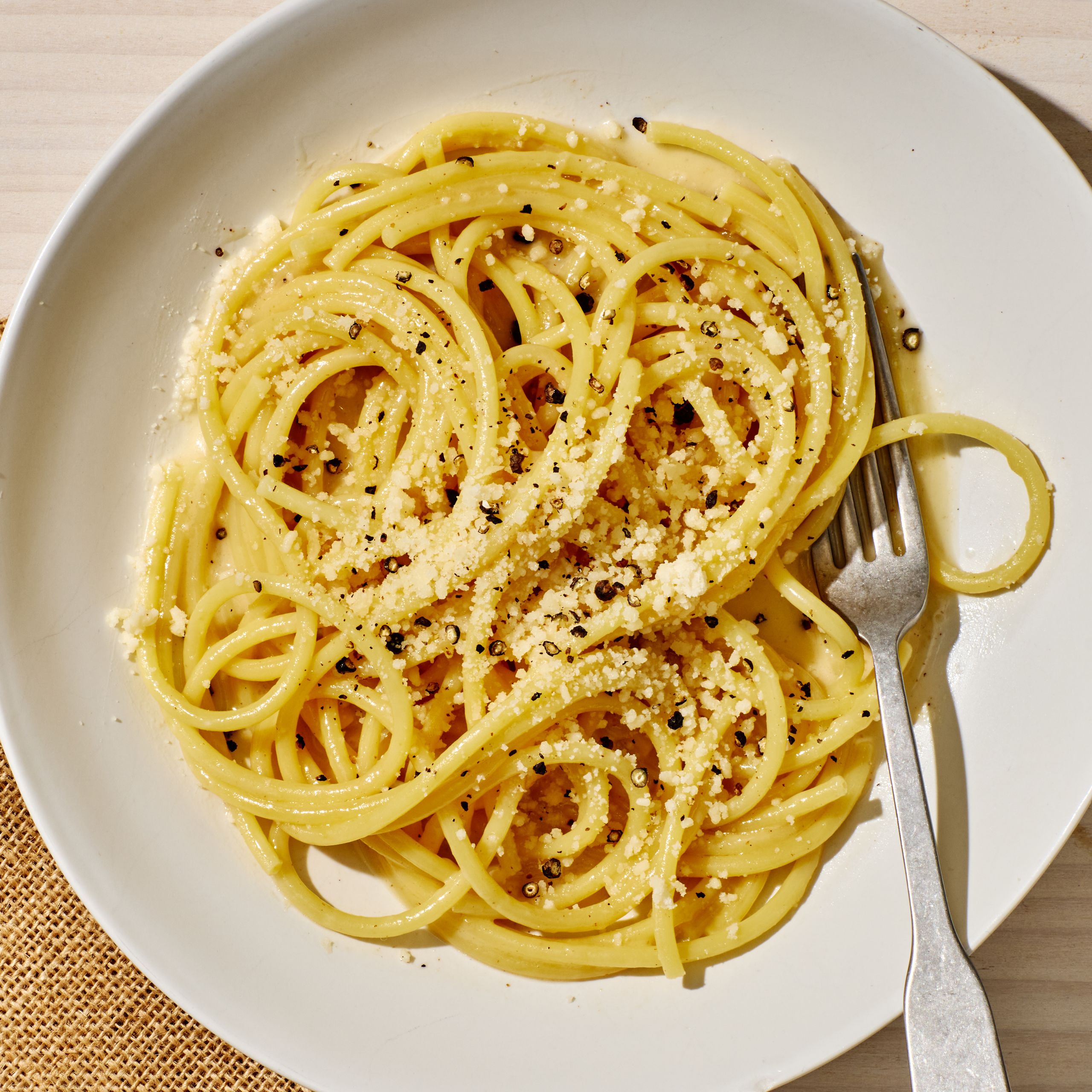
- A true Cacio e Pepe should be glossy, creamy, and cling beautifully to the pasta, not be dry, clumpy, or swimming in oil.
- Beware of versions that include cream, butter, or other cheeses, as these are not traditional and often mask poor technique.
- Look for a robust peppery kick and a sharp, salty tang from the Pecorino Romano; the flavors should be balanced and intense.
What is Cacio e Pepe, Really?
At its heart, Cacio e Pepe is one of Rome's most iconic pasta dishes, a testament to culinary minimalism. The name literally translates to “cheese and pepper.” And that’s almost all there is to it: Pecorino Romano cheese, freshly cracked black pepper, and pasta. That’s it. No olive oil (traditionally), no butter (definitely not), and certainly no cream. It’s a dish born from the ingenuity of Roman shepherds who needed something hearty, shelf-stable, and easy to prepare with limited ingredients.
The pasta of choice is often tonnarelli, a thicker, square-edged spaghetti, or classic spaghetti. The Pecorino Romano, a hard, salty sheep's milk cheese, is non-negotiable. Its sharp, tangy flavor is distinct and crucial to the dish's character. Black pepper isn't just a seasoning; it's a star player, toasted and coarsely ground to release its aromatic punch.
The Magic: How it's Made (No Cream Involved)
The brilliance of Cacio e Pepe lies in the emulsion. This isn't a sauce thickened with cream or butter; it's a magical alchemy of cheese, pepper, and starchy pasta water. Here’s the simplified ballet:
- Toast the Pepper: Freshly cracked black pepper is lightly toasted in a pan to enhance its aroma.
- Cook the Pasta: The pasta is cooked in generously salted water until very al dente. Crucially, a good amount of the starchy cooking water is reserved.
- Create the Emulsion: While the pasta finishes, finely grated Pecorino Romano is combined with some of the hot, starchy pasta water, then whisked vigorously. The starch in the water helps the cheese emulsify, turning it into a smooth, creamy, glossy paste.
- Combine: The al dente pasta is added to the pan with the toasted pepper, then tossed with the cheese emulsion. More pasta water is added, a splash at a time, while continuously tossing until the sauce coats every strand beautifully, creating a silky, cohesive dish.
It takes practice to get that perfect balance—enough water for creaminess, but not so much that it becomes soupy. The result should be a glistening, almost liquid coating that clings to the pasta, not a thick, gloppy mess.
Spotting the Real Deal on a Menu
So, how do you know if you're about to order a masterpiece or a dud? Here are a few tells:
- Simplicity in the Description: If the menu description lists only Pecorino Romano, black pepper, and pasta, you're on the right track. Any mention of cream, butter, olive oil (as a primary ingredient for the sauce, not just a drizzle), or other cheeses (like Parmesan) should raise a red flag.
- The Look: A truly authentic Cacio e Pepe, when it arrives, should be glossy, almost shimmering. The sauce should be an integral part of the pasta, not sitting separately at the bottom of the bowl. You should see flecks of coarsely ground black pepper distributed throughout.
- The Texture: It should be creamy, smooth, and cohesive. The cheese shouldn't be clumpy or stringy, and the pasta should be perfectly al dente, offering a slight bite.
- The Aroma: A good Cacio e Pepe will hit you with a strong, savory scent of Pecorino Romano and a distinct, peppery warmth.
If you're unsure, and the restaurant is busy, sometimes a quick scan of other diners' plates can give you a clue. Or, if you're using an app like MenuDish, you might even find real photos of the dish from other diners, giving you a visual preview before you commit.
Common Pitfalls and What to Avoid
Many restaurants, particularly outside of Italy, take liberties with Cacio e Pepe, often to its detriment. Watch out for:
- Cream or Butter: This is the biggest sin. Adding these ingredients simplifies the chef's job (making the emulsion easier) but fundamentally changes the dish, making it heavier and masking the delicate balance of the original.
- Too Much Oil: A greasy Cacio e Pepe indicates that oil was used as a shortcut or in excess, rather than letting the cheese and pasta water do their work.
- Clumpy Cheese: This is a sign of a failed emulsion, often due to water that wasn't hot enough, cheese that wasn't finely grated, or insufficient whisking.
- Blandness: If it tastes like plain pasta with a hint of cheese, the quality of the Pecorino Romano or the pepper might be lacking, or the ratio is off.
When you encounter a Cacio e Pepe done right, it's a testament to the power of tradition and skilled execution. It proves that sometimes, the simplest dishes are the most profound.
Don't cook it — find it.
See every dish on any menu before you order. Scan, see the photo, check allergens & nutrition.
Allergens: Dairy, Gluten. The MenuDish app flags these automatically for every dish it scans.