Key takeaways
- Indian cuisine is incredibly diverse, with distinct regional styles (North vs. South) that offer different flavors, ingredients, and cooking methods.
- Familiarize yourself with common dish categories like 'curry' (gravy dishes), 'biryani' (rice dishes), and various breads to navigate the menu better.
- Don't be afraid to ask your server about spice levels, key ingredients, or regional specialties to find dishes tailored to your taste.
- Balance your meal with different textures and flavors: rich curries, light breads, cooling raita, and tangy chutneys.
- Consider using an app like MenuDish to see real photos and ingredients of unfamiliar dishes before ordering, especially in new restaurants.
Beyond the Usual Suspects: A World of Flavor Awaits
That feeling of missing out is real. Indian cuisine is not a monolith; it's a vast, intricate tapestry woven from centuries of regional traditions, climate, and diverse ingredients. To reduce it to just a couple of familiar chicken dishes is like saying French food is just croissants. The beauty lies in its incredible range, from fiery coastal seafood curries to rich, creamy Northern stews, and delicate, tangy lentil preparations.
The trick isn't to memorize every single dish, but to understand the underlying structure and regional differences that shape the menu. Once you grasp a few key concepts, you’ll unlock a universe of flavors you never knew existed.
North vs. South: A Culinary Divide
The biggest distinction you'll encounter on most Indian menus is the invisible line dividing North and South Indian cooking. Think of it as two different culinary philosophies:
- North Indian Cuisine: This is what most people in the West are familiar with. It's characterized by richer, heavier gravies, often made with cream, yogurt, nuts, and ghee. Wheat-based breads like naan and roti are staples. Expect dishes like creamy Paneer Makhani (cottage cheese in a tomato-butter sauce), hearty Rogan Josh (lamb curry), and aromatic Dal Bukhara (slow-cooked black lentils). Tandoor ovens are big here, giving us smoky tandoori chicken and various kebabs.
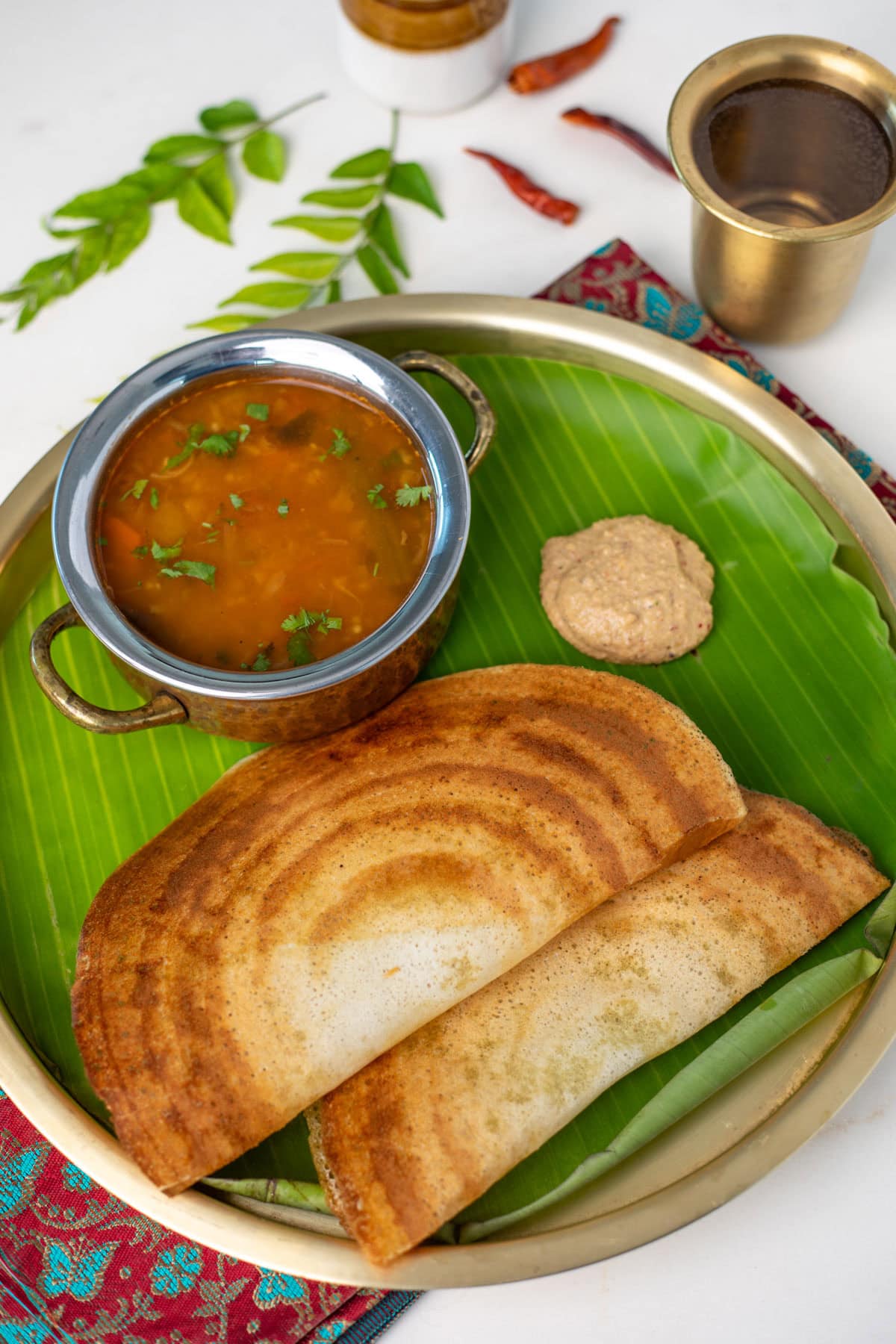
- South Indian Cuisine: Lighter, spicier, and often more reliant on rice and coconut. You'll find a lot of seafood, lentils, and vegetables. Staples include fluffy idli (steamed rice cakes), crispy dosa (thin rice crepes), and tangy sambar (lentil and vegetable stew). Tamarind, curry leaves, and mustard seeds are prominent flavors. It's less about thick gravies and more about vibrant, fresh tastes.
Understanding the Building Blocks: Curries, Breads, and Rice
While 'curry' is a catch-all term, it generally refers to any dish with a sauce or gravy. Here's a breakdown of common categories and terms:
- Masala: Often refers to a spice blend, but in a dish name (e.g., Chicken Tikka Masala), it means a rich, spiced gravy, usually tomato-based.
- Korma: A mild, creamy, and often slightly sweet gravy, typically made with yogurt, cream, and nut pastes (cashews, almonds).
- Vindaloo: Originating from Goa, this is a famously spicy, tangy, and sometimes sweet curry, usually made with pork but also chicken or lamb. Vinegar is a key ingredient.
- Saag: Dishes made with spinach or other leafy greens, often puréed, like Saag Paneer.
- Dal: Lentils. This is a staple across India, prepared in countless ways. Dal Tadka is simple, spiced lentils, while Dal Makhani is a richer, creamy version.
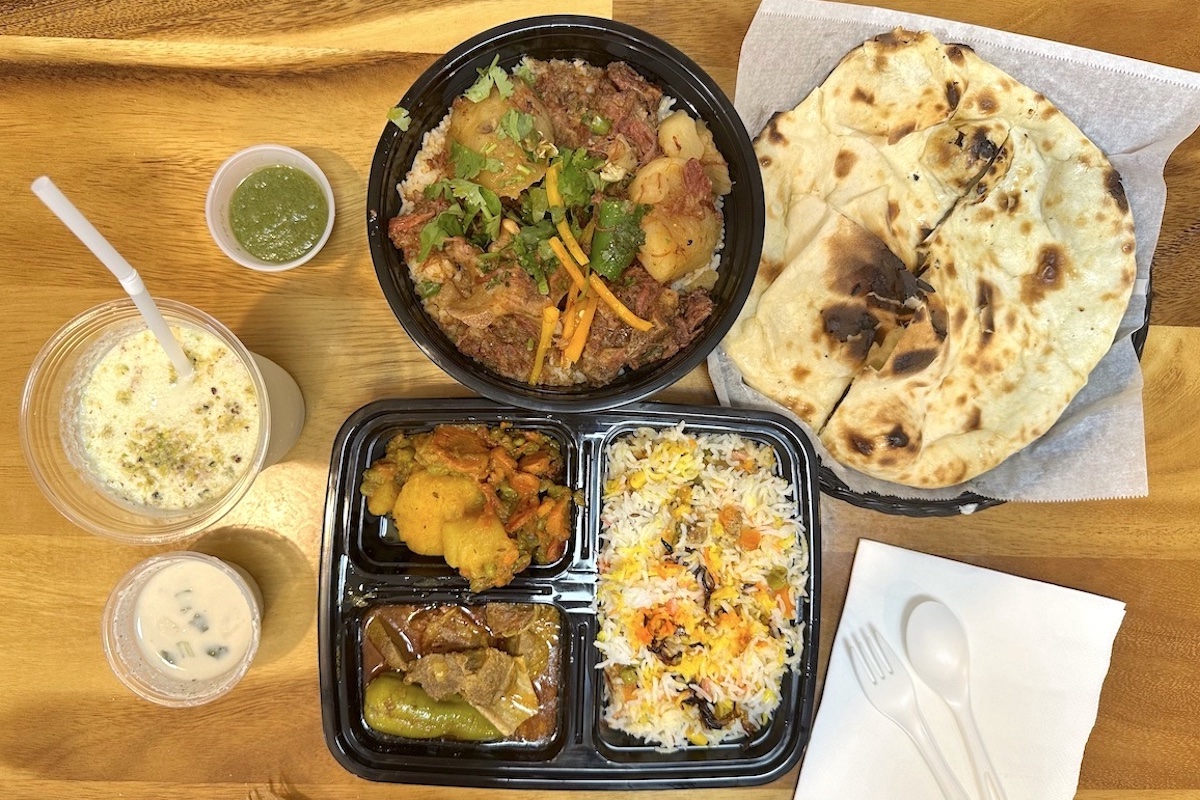
- Biryani: A fragrant, layered rice dish cooked with meat (chicken, lamb, goat) or vegetables, aromatic spices, and sometimes saffron. It's a meal in itself.
- Pulao/Pilaf: A simpler, flavored rice dish, often cooked with vegetables or peas, but not as complexly layered as biryani.
- Breads: Naan (leavened, tandoor-baked flatbread), Roti/Chapati (unleavened whole wheat flatbread), Paratha (flaky, layered flatbread, often stuffed), Puri (deep-fried, puffed bread).
Spicing Things Up (or Down): Heat Levels and Flavor Profiles
Spice level is a personal journey. Most restaurants will indicate heat or let you choose. Don't assume 'spicy' means just chili heat. Indian cuisine uses spices for complex flavor profiles: warmth (cardamom, cinnamon), earthiness (cumin, coriander), pungency (mustard seeds, ginger), and tang (tamarind, amchur/dried mango powder).
If you're unsure, start mild and ask for chili on the side. A good rule of thumb: dishes with 'Madras' or 'Vindaloo' in the name are usually on the hotter side. Anything 'Korma' or 'Makhani' will likely be milder and creamier.
Don't Forget the Sides: Chutneys, Raita, and Pickles
Indian meals are all about balance. These accompaniments aren't just extras; they play a crucial role in complementing and cutting through rich flavors.
- Raita: A cooling yogurt dip, usually mixed with cucumber, mint, or roasted cumin. Essential for balancing spicy dishes.
- Chutneys: Sweet, savory, or spicy condiments. Mango chutney is popular, but also try mint, tamarind, or coconut chutneys.
- Achar (Pickles): Fiercely tangy and spicy, often made from mango, lime, or mixed vegetables. A little goes a long way to add a punch of flavor.
Making Your Choice with Confidence
Now that you have a map, here’s how to navigate:
- Start with a Region: Decide if you're in the mood for rich, creamy North Indian flavors or lighter, spicier South Indian fare.
- Mix and Match: Order a variety of dishes to share. A good spread might include a hearty meat or paneer dish, a dal, a vegetable side, some rice, and a few different breads. Don't forget a raita.
- Ask Your Server: They are your best resource. Ask about their specialties, what's popular, or what they recommend if you like a certain flavor profile. Don't be shy about asking for dishes not on the menu, especially for regional specialties.
- Use MenuDish: When faced with an unfamiliar dish name, pull out your phone. MenuDish can help you scan the menu to see real dish photos, understand ingredients, and check for allergens. It's like having a knowledgeable friend at the table, showing you exactly what that Goan Fish Curry or Malai Kofta actually looks like before it arrives.
Stepping out of your comfort zone on an Indian menu is incredibly rewarding. There’s a whole world of aromatic, complex, and utterly delicious food waiting to be discovered, far beyond the familiar. Go on, be adventurous!
Don't cook it — find it.
See every dish on any menu before you order. Scan, see the photo, check allergens & nutrition.