Key takeaways
- Ramen's core identity lies in its broth: Tonkotsu (pork bone), Shoyu (soy sauce), Miso (fermented soybean paste), and Shio (salt) are the main categories.
- Noodle choice matters; thin, straight noodles often pair with rich broths like Tonkotsu, while wavy, thicker noodles might complement Miso.
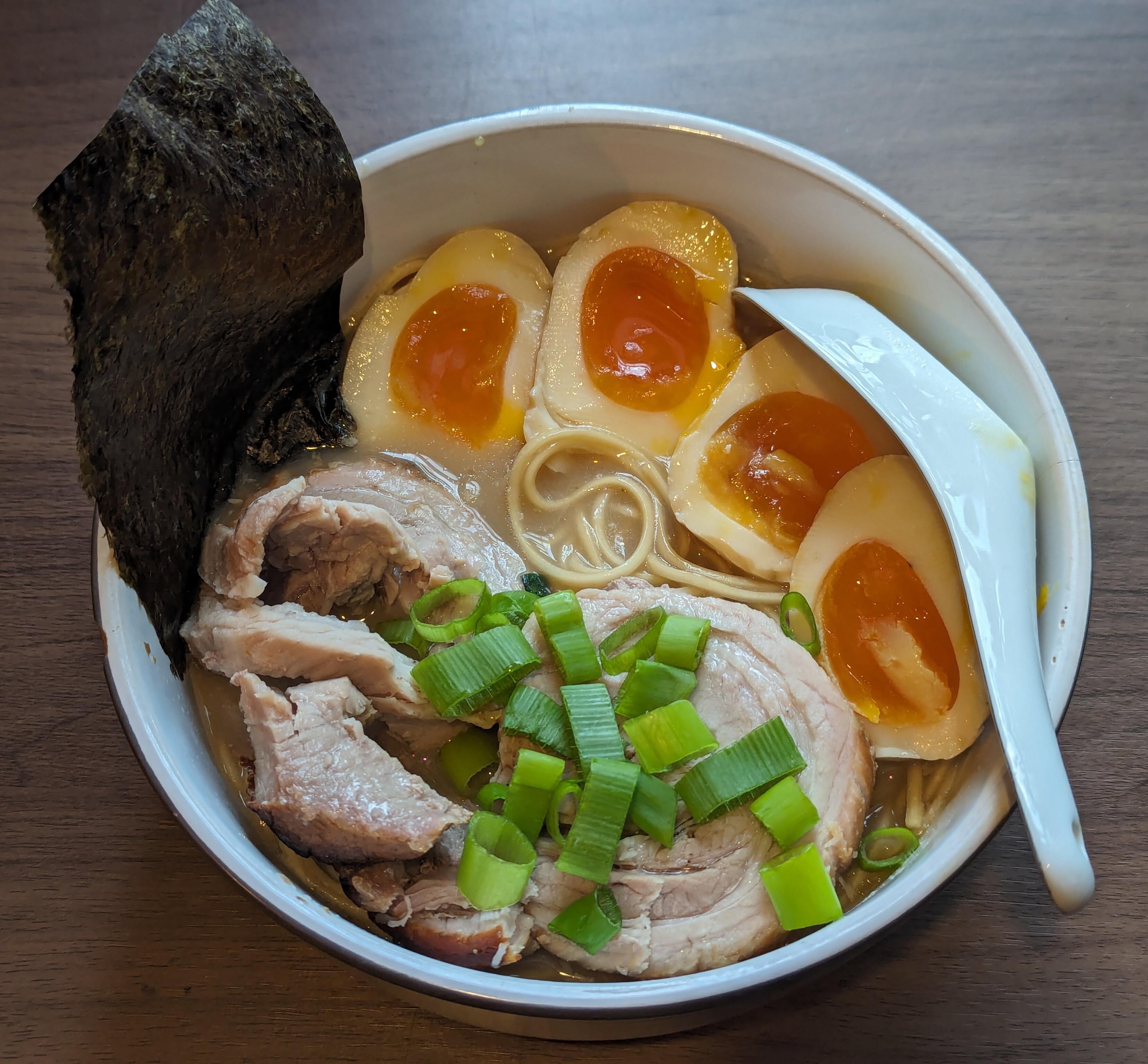
- Essential toppings like chashu (braised pork), ajitama (marinated egg), and nori (seaweed) add layers of flavor and texture.
- Regional variations exist, such as Hakata Tonkotsu with its thin noodles, or Sapporo Miso ramen, known for its rich, hearty broth.
- Don't hesitate to ask about ingredients, especially if you have dietary restrictions; apps like MenuDish can help you see real dish photos and ingredients before you commit.
The Soul of Ramen: Where Broth is King
Forget everything you thought you knew about broth. In ramen, it’s not just a liquid base; it's the foundation, the personality, the very soul of the dish. Most ramen shops specialize in one or two main styles, each with distinct flavors and origins.
Tonkotsu Ramen: The Creamy Dream. This is perhaps the most famous, originating from Fukuoka. It’s made by boiling pork bones for hours—sometimes days—until they break down, releasing collagen and marrow to create a milky, opaque, and incredibly rich broth. It's often described as creamy, savory, and deeply satisfying, coating your mouth with flavor.
Shoyu Ramen: The Classic Umami. Hailing from Tokyo, Shoyu ramen uses a clear, brown broth flavored with soy sauce. Often chicken or vegetable based, sometimes with pork or dashi, it’s lighter than Tonkotsu but still packed with savory umami. Think of it as the elegant elder sibling, balanced and comforting.
Miso Ramen: The Hearty & Robust. Born in Hokkaido, Miso ramen features a broth seasoned with fermented soybean paste. This gives it a unique, earthy sweetness and a thick, hearty body. It's often rich, slightly nutty, and perfect for colder climates, frequently topped with corn and butter.
Shio Ramen: The Clean & Briny. 'Shio' simply means salt, and this ramen style focuses on a clear, pale, salt-seasoned broth. It’s usually lighter in body, often chicken or seafood-based, allowing the natural flavors of the ingredients to shine through. It’s deceptively complex, offering a delicate, clean finish.
Noodle Know-How: Texture and Type
While broth gets the spotlight, the noodles are the stage. Ramen noodles are typically made from wheat flour, salt, water, and kansui (an alkaline mineral water) which gives them their characteristic chewiness and yellowish hue. But they come in a surprising variety of shapes and textures:
- Thin & Straight: Often found in Tonkotsu ramen, these noodles are perfect for soaking up rich, thick broths. Think Hakata-style ramen, where customers often ask for 'kaedama' (an extra serving of noodles).
- Medium & Wavy: A versatile choice, these noodles have more surface area to cling to broth and toppings. They’re common in Shoyu and Miso ramen.
- Thick & Chewy: These robust noodles can stand up to the heartiest broths, like some Miso or Tsukemen (dipping ramen).
The ideal noodle has a slight bite, or 'al dente' texture, and complements the broth without overpowering it.
Essential Toppings & Regional Quirks
A bowl of ramen isn't complete without its supporting cast of toppings. These add texture, flavor, and visual appeal:
- Chashu: Slices of braised pork belly or shoulder, melt-in-your-mouth tender and deeply savory. A non-negotiable for many.
- Ajitama: A soft-boiled egg, marinated in soy sauce and mirin, with a perfectly jammy yolk.
- Nori: Sheets of dried seaweed, adding a subtle oceanic flavor and crisp texture.
- Menma: Fermented bamboo shoots, offering a distinct crunch and earthy taste.
- Negi: Sliced green onions, providing a fresh, pungent contrast.
- Narutomaki: The iconic pink and white fish cake swirl, often more for decoration than flavor.
Beyond the basics, regional differences shine. Hakata ramen from Fukuoka is famous for its thin noodles and generous portions of green onions. Sapporo ramen (Hokkaido) often features butter and corn, a nod to its dairy-rich region. Each region puts its own spin on the classic, making every bowl a unique experience.
Deciphering the Menu: Ordering Like a Pro
Now that you know the basics, ordering ramen becomes an adventure. Start by identifying the broth style you prefer. Then, consider the noodle type if the menu offers options (some places let you choose firmness). Finally, customize with your favorite toppings.
Don't be afraid to ask your server for recommendations, especially if it's your first time trying a specific style. And if you’re ever unsure what a particular topping or side dish looks like, apps like MenuDish can be incredibly helpful. You can scan the menu and see real dish photos, complete with ingredients and potential allergens, letting you visualize your meal before it even arrives.
The beauty of ramen lies in its endless variations. From the light simplicity of Shio to the robust complexity of Tonkotsu, there's a bowl for every palate and every mood. So go forth, explore, and savor the rich, comforting world of Japanese ramen.
Don't cook it — find it.
See every dish on any menu before you order. Scan, see the photo, check allergens & nutrition.