Key takeaways
- Houskové knedlíky are fluffy bread dumplings built for cream sauces, while bramborové knedlíky are potato-based for pork and duck.
- Svíčková na smetaně features beef in a sweet-savory root vegetable cream sauce, topped with cranberry jam and whipped cream.
- Smažený sýr is a pub staple made of thick fried cheese served alongside tartar sauce and potatoes.
- Czech beer pours change the carbonation and sweetness, ranging from standard hladinka to all-foam mlíko.
The main sauces: Svíčková versus Guláš
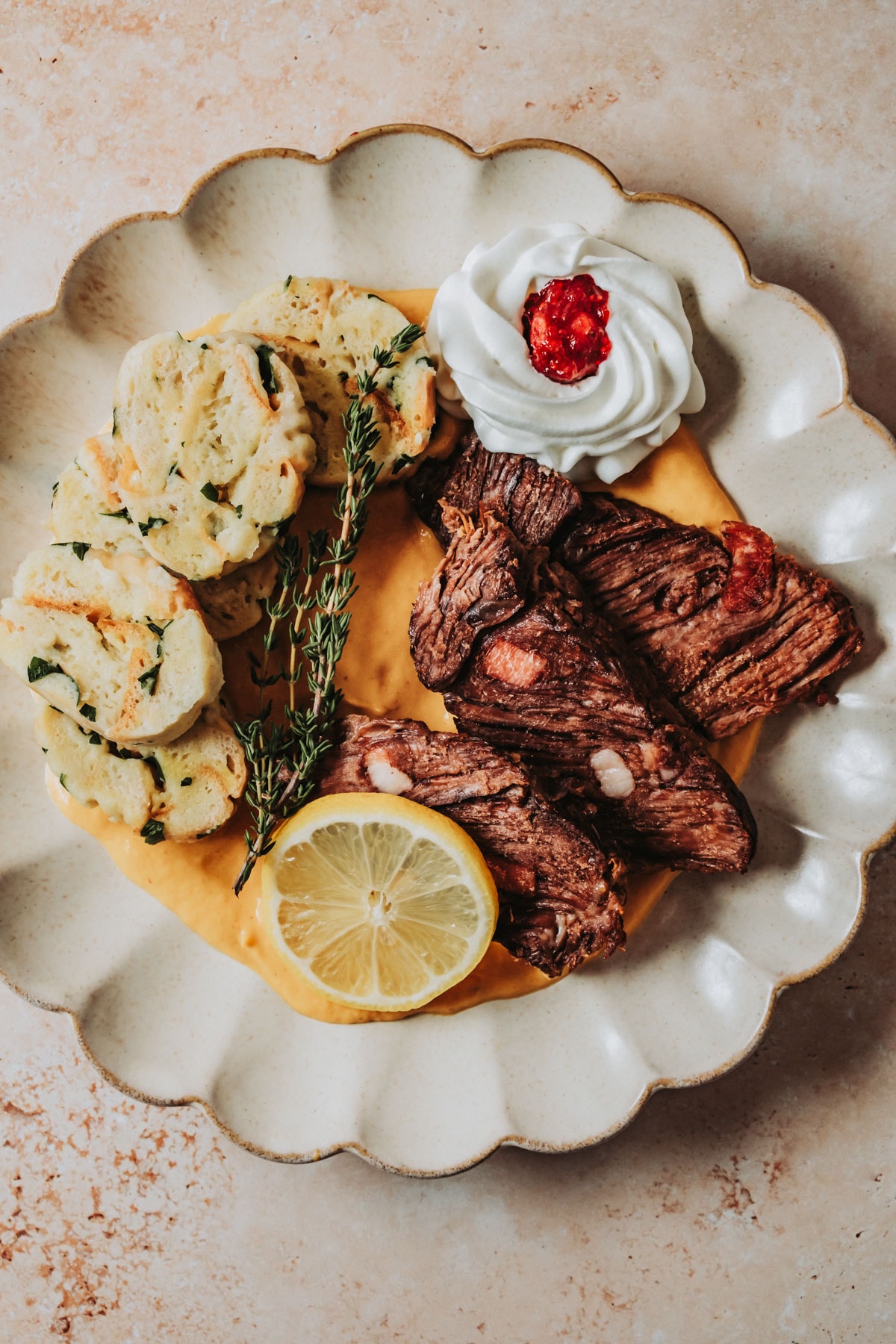
At the top of most hospoda menus, under the section marked Hotová jídla (ready-made daily dishes), you will find the heavy hitters of Czech gravy culture. The undisputed king is Svíčková na smetaně. This is larded beef tenderloin or sirloin braised alongside carrots, parsnips, and celery root, blended into a velvety orange cream sauce. It comes garnished with a lemon wheel, a dollop of cranberry jam, and a spoonful of unsweetened whipped cream. Stirring the fruit into the hot gravy provides the sharp acid necessary to cut through the rich meat.
Right beside it on the board sits Hovězí guláš. Unlike its soups Hungarian relative, Czech goulash is a thick, dark beef stew heavily flavored with sweet paprika, caraway seeds, and marjoram. It arrives topped with raw sliced yellow onion. If you see Pivovarský guláš, the cook added a splash of dark lager into the pot during the braise for a subtle bitter finish.
Bread vs. potato knedlíky: Reading the dumpling code
Main courses in a Czech pub rarely come with rice or green vegetables. Instead, you get knedlíky (dumplings), sliced thick like bread loaves directly off a steamed cylinder. Knowing which dumpling accompanies your plate prevents soggy, mismatched meals.
Houskové knedlíky are classic bread dumplings made from yeast dough studded with tiny toasted bread cubes. They act like dense sponges, perfectly engineered to mop up smooth cream sauces like svíčková. Bramborové knedlíky are potato dumplings, heavier and slightly chewy, tinted yellow from mashed potato in the dough. Restaurants pair these with roasted pork shoulder or braised duck to hold up against salty meat pan drippings and sour cabbage.
Pork, cheese, and fried classics
If sauce-drenched plates are not your goal, look for regional roast meats and pan-fried staples further down the page. The national dish is Vepřo knedlo zelo, an abbreviation for roasted pork shoulder (vepřové), bread dumplings (knedlíky), and braised sauerkraut (zelí). The sauerkraut alternates between sour white cabbage in Moravia and sweeter red cabbage around Bohemia.
For a non-meat or lower-budget option, look for Smažený sýr (often shortened to Smažák). This is a thick slab of Edam or Hermelín cheese breaded in flour, egg, and breadcrumbs, fried until molten inside. It always arrives with a side of boiled potatoes or fries and a heavy ramekin of tatarská omáčka (tartar sauce). If you struggle with untranslated chalkboard specials, scanning the sheet with MenuDish helps you match local dish titles to matched dish photos and full ingredient breakdowns so you never confuse fried cheese with fried tripe.
Hladinka, Šnyt, and Mlíko: Ordering draft beer correctly
In a true Czech pub, beer is treated with as much precision as the food. When the server asks what you want to drink, naming the brand is only half the order. The foam ratio dictates how carbonated and sweet the draft tastes in your glass.
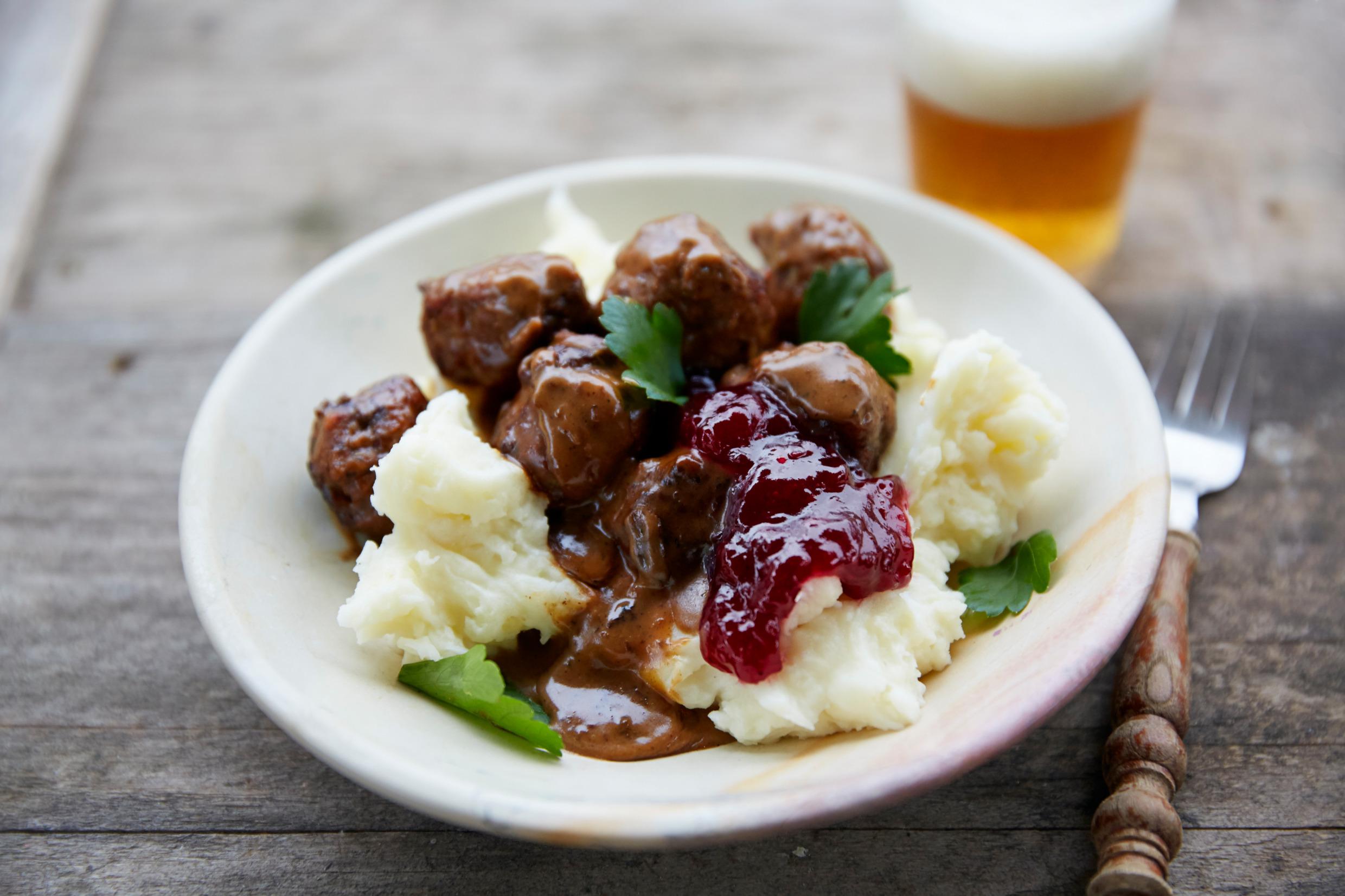
Hladinka is the standard pour: three fingers of wet, dense foam sitting atop a clear draft. Šnyt is a small beer served in a large glass, consisting of two fingers of beer, three fingers of foam, and a glass full of air—ideal when you want a light drink before leaving. Mlíko looks like a glass of pure milk, filled entirely with sweet, velvety foam that you drink immediately before it settles into liquid.
Don't cook it — find it.
See every dish on any menu before you order. Scan, see the photo, check allergens & nutrition.