Key takeaways
- Set meals (Breakfast, Lunch, Afternoon Tea) offer the best value and include a hot drink.
- Drink order codes matter: 'Dong' means iced, and 'Yuenyeung' blends milk tea with drip coffee.
- Baked dishes like baked pork chop rice take longer to prepare, so order them early in your meal.
- Pay by bringing the paper slip off your table to the front counter when you finish eating.
The two-minute ordering dance
Hong Kong’s cha chaan tengs (literally "tea restaurants") run on absolute speed. Born in the mid-20th century as affordable western-style eateries for working locals, these diners combine British teatime comforts with Cantonese wok fast food. You will have roughly twenty seconds before the server walks away to clear a tray of steam-bun baskets.
The menus are giant, laminated sheets tucked under glass tabletops or clipped to acrylic stands. They are dense with abbreviated characters, lettered meal sets like "A1" or "C3", and bewildering beverage add-ons that change based on what hour of the day you sit down.
Decoding drinks: Yuenyeung, pantyhose tea, and iced lemon
Every set meal includes a drink, but ordering one feels like learning naval code. Cold drinks almost always cost two or three Hong Kong dollars extra because of ice production. If you want iced, put dong in front of your order; for hot, it is yit.
The staple drink is silk-stocking milk tea (lai cha), brewed from strong black tea pulled through a fine sack filter and thickened with evaporated milk. If you cannot decide between coffee and tea, ask for yuenyeung—a velvety mixture of seven parts milk tea and three parts drip coffee. On humid afternoons, order ling cha (iced lemon tea), then use your spoon to crush the four thick lemon slices at the bottom of your glass against the ice cubes until the dark tea turns sour and sharp.
Breakfast, tea time, and the almighty set meal letter
Cha chaan teng menus shift by the clock. Ordering off fixed sets saved under letters like A, B, or C gets you two or three items for less than the cost of a standalone entree. Breakfast (zou caan) ends promptly around 11:00 AM, transitioning into Lunch (ng caan), followed by Afternoon Tea (ha aat caan) from 2:30 PM to 5:30 PM.
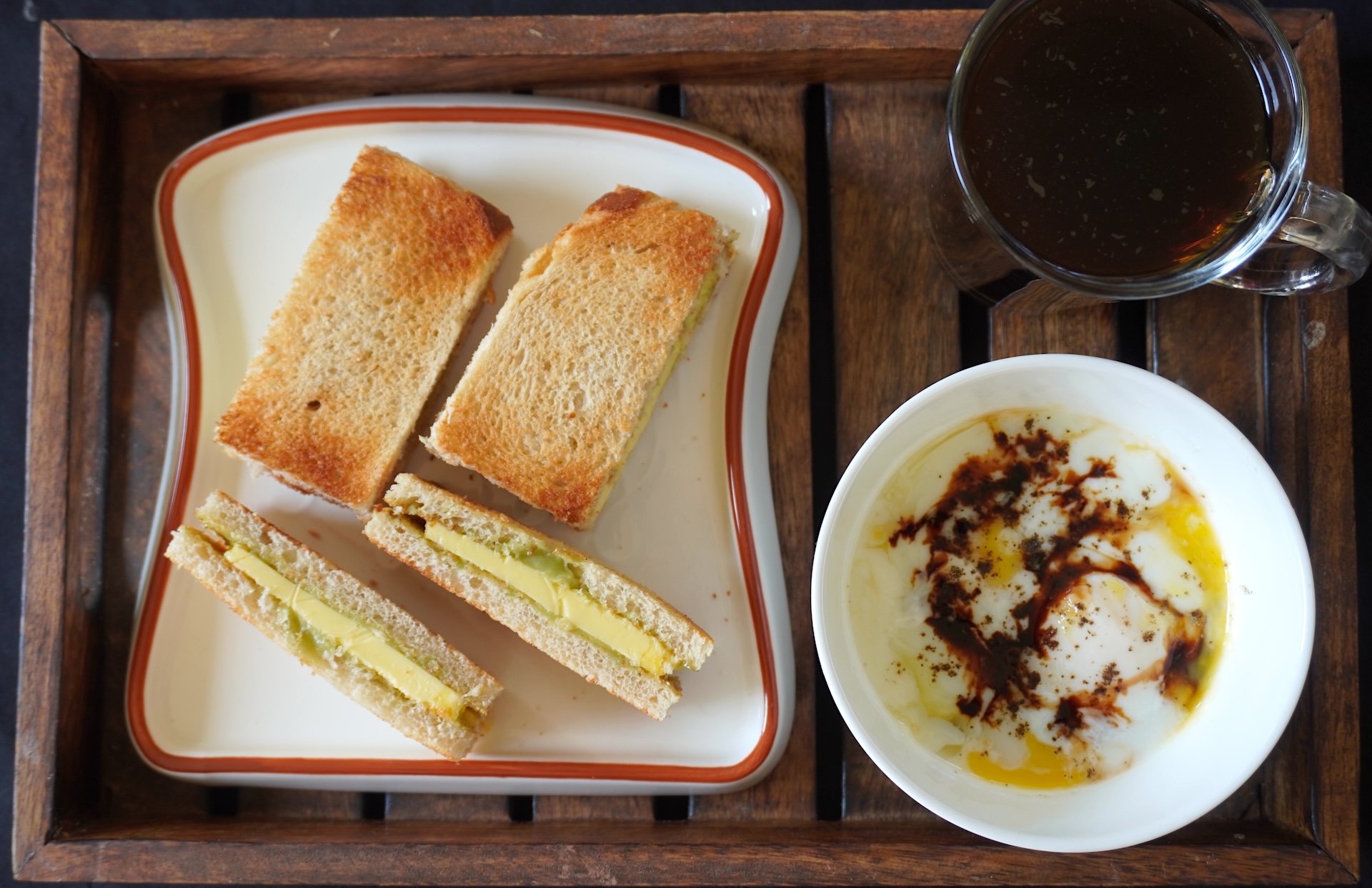
A classic morning set delivers a steaming bowl of instant noodles in broth topped with tender satay beef or canned spiced pork, alongside a plate of buttered toast and scrambled eggs cooked in shallow oil until barely set. Afternoon tea sets lean lighter and cheaper, offering club sandwiches, deep-fried chicken wings, or thick slices of Hong Kong French toast slathered in peanut butter, battered, fried, and topped with a slab of salted butter.
Baked pork chops, wok heat, and soup noodles
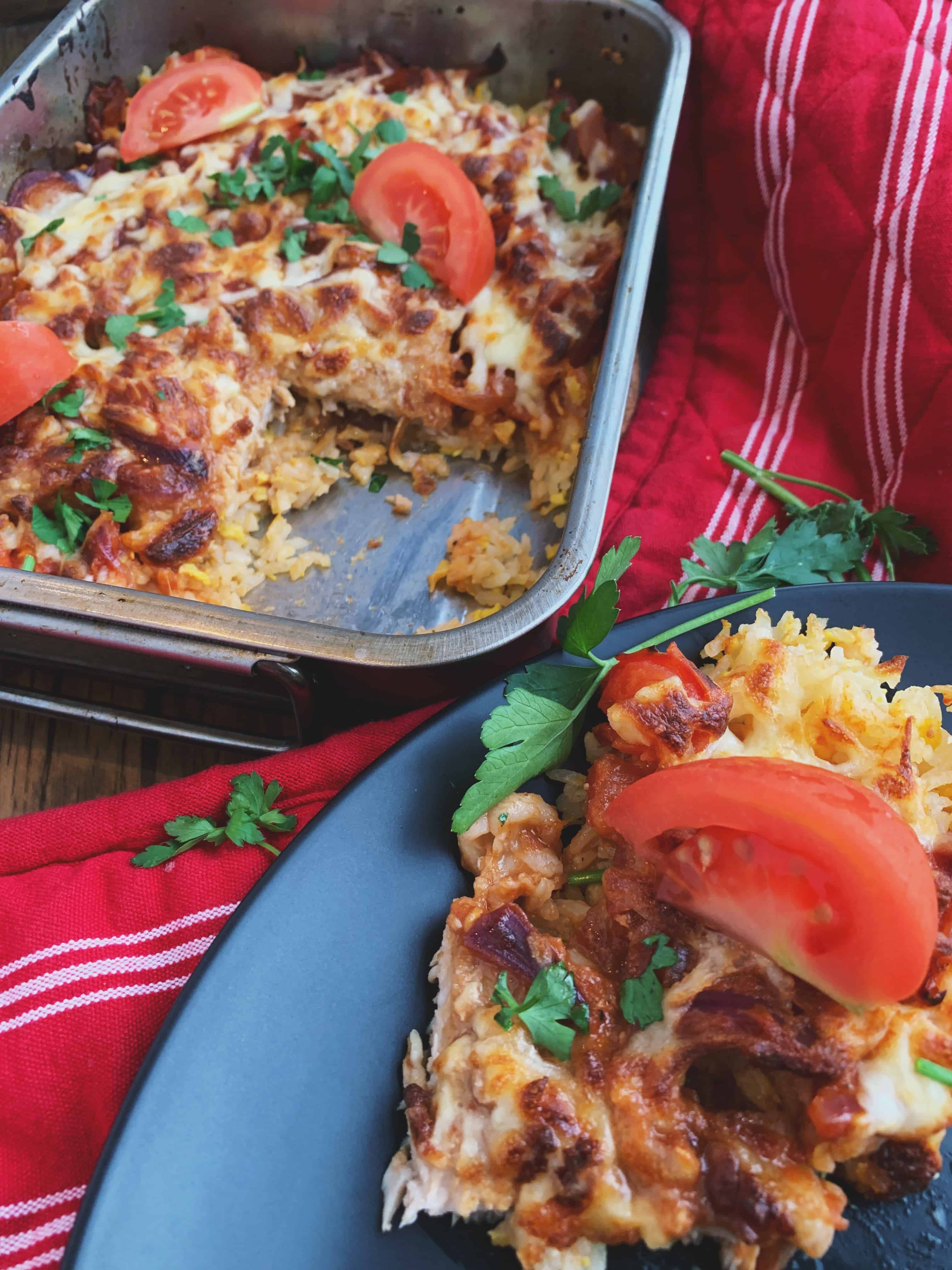
If you arrive between sets, look straight for the baked rice dishes (gok fan). The gold standard is baked pork chop rice: a fried pork cutlet rested on egg fried rice, blanketed in a bright, savory-sweet tomato sauce and grated cheddar, then torched under a broiler until the cheese bubbles brown at the edges.
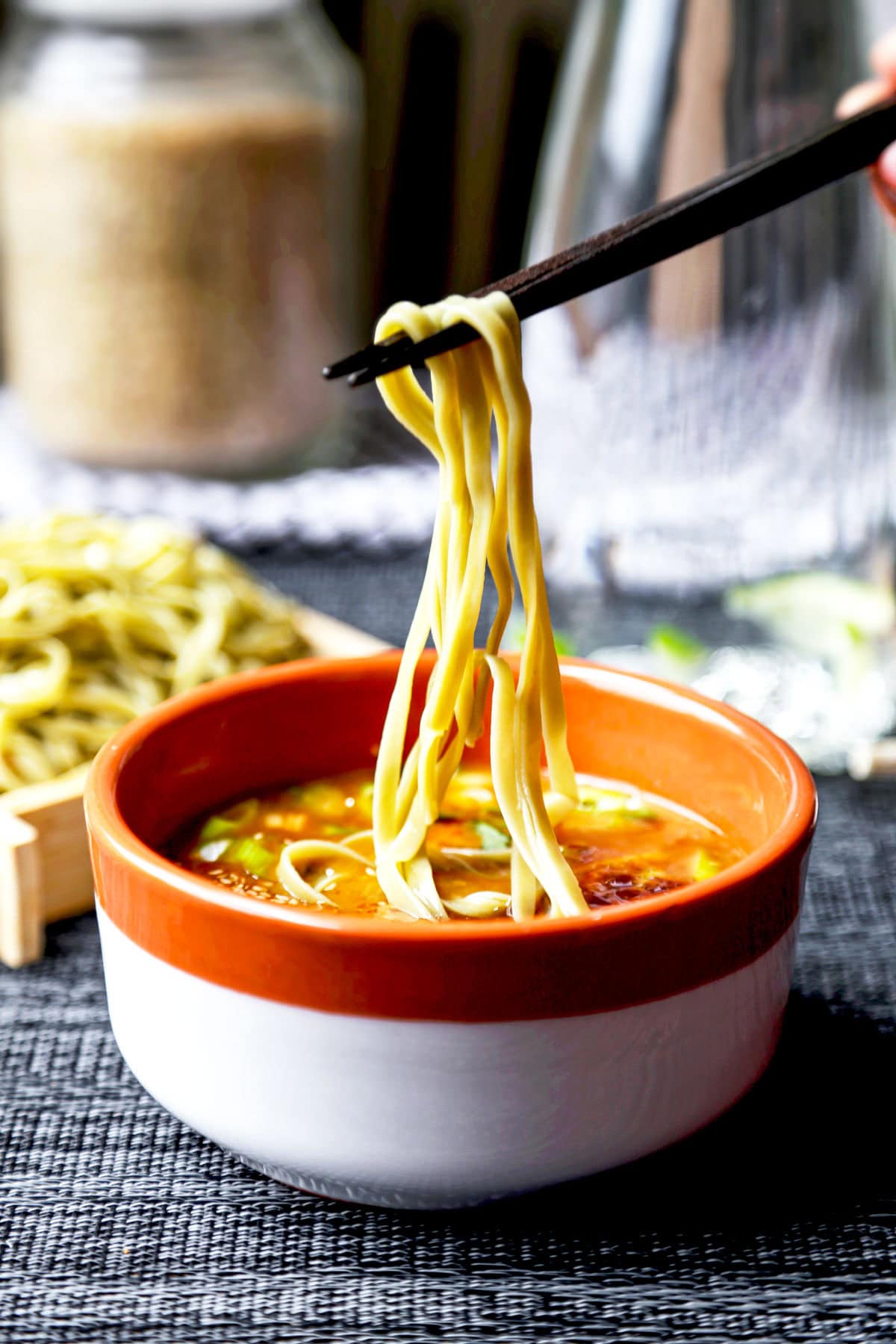
Wok-tossed staples hit the table boiling hot within minutes. Dry-fried beef chow fun (gon ciu ngau ho) tests any cook’s skill: wide flat rice noodles seared over fierce heat with beef slices, bean sprouts, and dark soy sauce without turning greasy. If you prefer soup, crisp wontons stuffed with whole shrimp sit in clear broth over thin egg noodles.
Handling dense wall menus and unknown dishes
Dense laminated sheets filled with handwritten daily specials taped to mirror columns leave non-fluent diners guessing. Ordering blind can mean expecting simple chicken noodles and ending up with a bowl of tripe or pig blood curd in spicy broth.
When handwritten characters blur together, scanning the menu with an app like MenuDish helps bridge the gap. By matching Chinese item names with real food photos, ingredient lists, and allergen tags, you can tell whether a noodle bowl features sweet roasted char siu or preserved mustard greens before the waiter returns to your table.
Shared tables and payment slip etiquette
Space comes at a premium. Expect to share a table with strangers (daap toi) during peak lunch hours. Place your bag on your lap or on a ledge beneath your seat rather than taking up an extra chair. When your hot tea arrives, use the extra cup provided to quickly rinse your spoon and chopsticks if desired.
Servers rarely hand you an itemized English receipt. Instead, they slap a scribbled card with handwritten dollar figures upside down on the edge of your table. When you finish eating, do not leave cash on the tabletop. Pick up that scribbled card, walk to the cash register near the front door, and pay the cashier directly.
Don't cook it — find it.
See every dish on any menu before you order. Scan, see the photo, check allergens & nutrition.
Allergens: dairy, gluten, eggs, soy. The MenuDish app flags these automatically for every dish it scans.