Key takeaways
- Kopi uses sweet condensed milk by default; add 'C' for evaporated milk, 'O' for black, 'Kosong' for no sugar, and 'Peng' for ice.
- Pay for drinks and toast at your table, but order savory noodle plates directly from individual hawker stalls operating inside the shop.
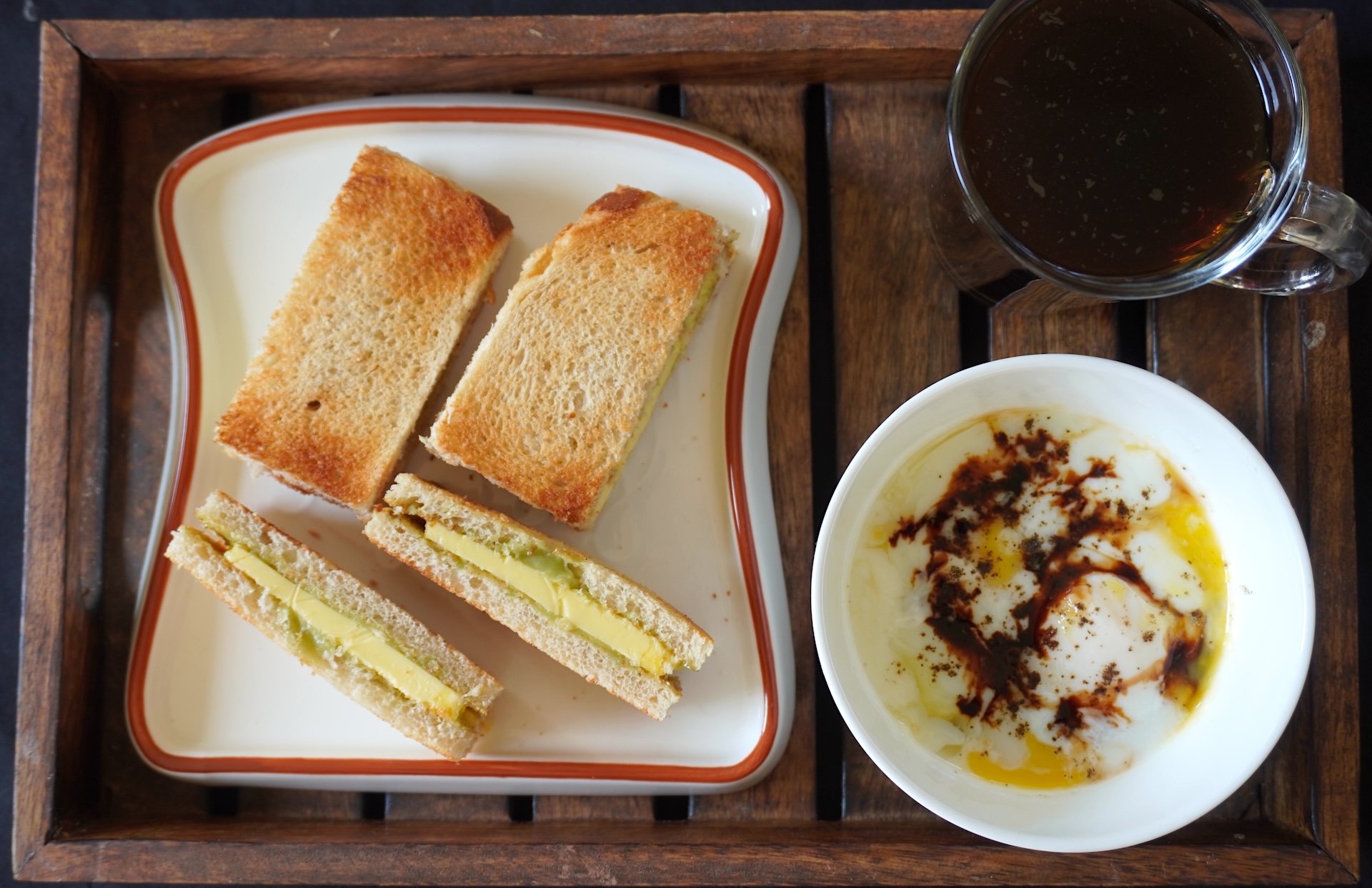
- Kaya toast is designed to be dipped directly into soft-boiled eggs seasoned with dark soy sauce and ground white pepper.
- A packet of tissues or an umbrella resting on an empty stool means the table is already claimed.
Crack the Kopi drink code before you order
Walking up to a kopitiam drink counter can feel like trying to decipher air traffic control jargon. The drink uncle stands over boiling kettles with long cloth coffee socks, splashing hot liquid into heavy porcelain cups while taking orders in a rapid mix of Hokkien, Malay, and Cantonese. If you ask for a basic coffee with milk, you will likely get a mug weighted down by thick, sweet condensed milk that settles at the bottom.
To get your drink tailored accurately, remember these fundamental building blocks:
Kopi: Dark coffee beans roasted with butter and sugar, brewed thick and sweetened with condensed milk.
Kopi O: Coffee with sugar, but no milk. The letter 'O' comes from the Hokkien word for black.
Kopi C: Coffee made with evaporated milk and sugar. The 'C' refers to Carnation, the milk brand traditionally stocked behind these counters.
Kosong: Malay for 'empty.' Append this to skip added white sugar entirely (for example, Kopi C Kosong gives you brewed coffee with unsweetened evaporated milk).
Peng: Hokkien for ice. Add this whenever you want your beverage poured over a tall glass of crushed ice (like Kopi O Peng for iced black coffee with sugar).
If you feel torn between coffee and tea, try a Cham. It blends coffee and black tea together with condensed milk, pairing the bold roastiness of coffee with the astringent, punchy kick of brewed tea.
The breakfast trinity: Kaya, butter, and soft-boiled eggs
A proper kopitiam breakfast relies on three items prepared without shortcuts: charred white bread, fragrant pandan jam, and softly cooked eggs. Skipping any element breaks the harmony of the morning routine.
Kaya Toast: White Hainanese bread toasted over glowing charcoal coals, scraped with kaya (a slow-simmered jam made from coconut milk, eggs, sugar, and aromatic pandan leaves), and topped with cold slabs of salted butter. The temperature contrast between hot toast and firm, chilled butter is non-negotiable.
Soft-boiled eggs: Served uncracked in a small metal bowl or thick saucer. Crack two eggs directly into the dish. The egg whites should look milky and loose, with runny golden yolks. Add a dash of dark soy sauce, sprinkle ground white pepper on top, and mix gently with a spoon.
The traditional way to eat this dish is straightforward: pick up a slice of kaya toast and dip it straight into the seasoned, runny egg yolk. The salty, savory yolk cuts through the sweet coconut custard on the bread remarkably well.
Navigating independent stalls versus the central drink counter
A neighborhood kopitiam is rarely a single restaurant with one master kitchen. It acts as a shared hall where individual food vendors rent small stainless-steel stalls around the perimeter, while the landlord manages the central drink station, toast counter, and floor seating.
Because of this structure, ordering follows a clear two-part rhythm:
First, secure a seat and note your table number, usually printed on a small plastic plaque on the table corner.
Second, walk over to individual vendors around the room to order dishes like pork noodle soup, laksa, or fried carrot cake. Give the cook your table number. They prepare the plate and bring it to your seat, where you pay cash directly to the vendor upon arrival.
Drinks and toast work differently. Waiter staff walking through the floor will stop by your table to take your beverage order, delivering your coffee and collecting payment separately.
Essential savory plates you shouldn't miss
Alongside breakfast toast, vendor carts offer an array of savory noodle dishes and steamed snacks that reflect the neighborhood's regional roots.
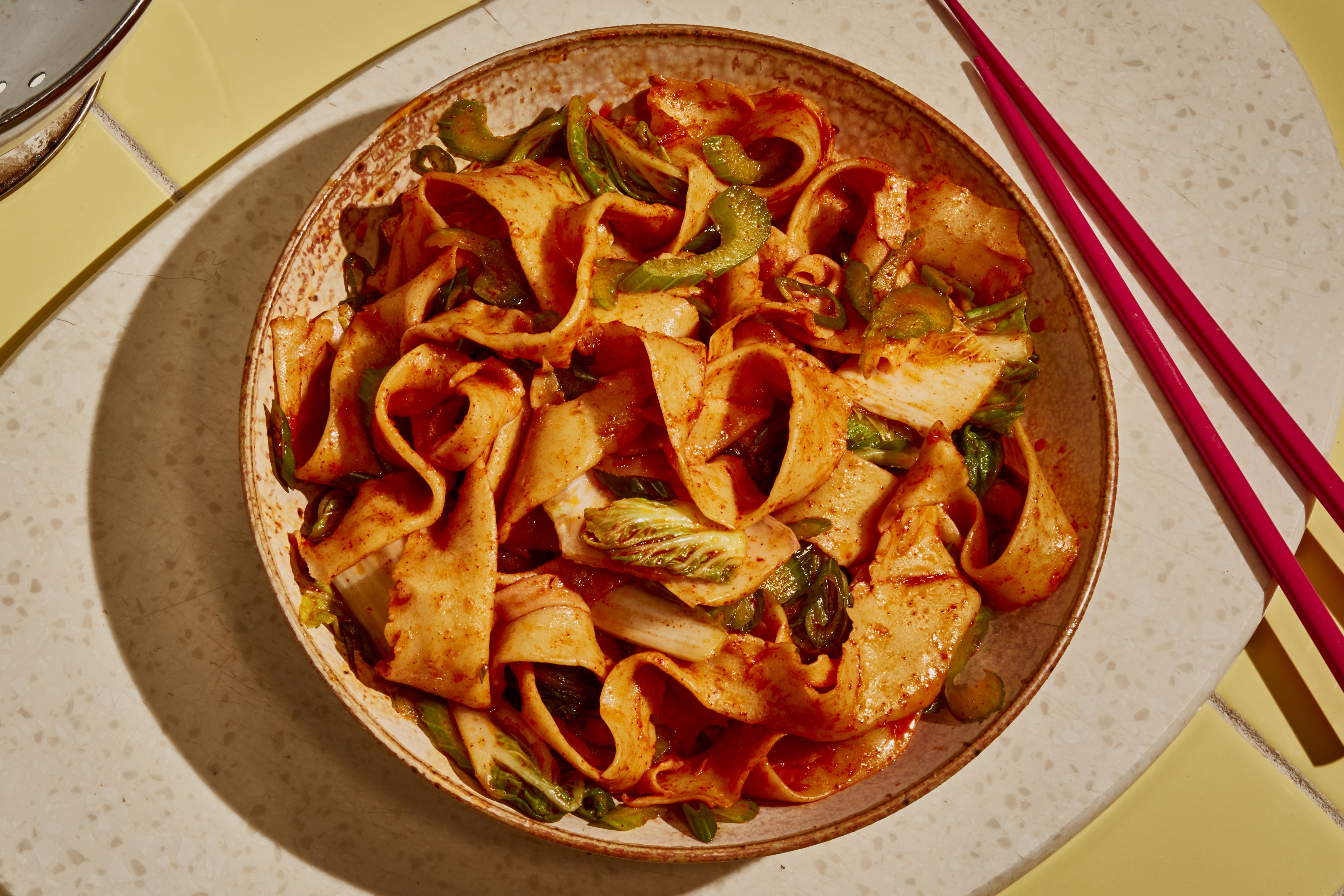
Chee Cheong Fun: Delicate, rolled rice noodles chopped into bite-sized cylinders. In Kuala Lumpur, they are smothered in a sweet reddish bean sauce, dark hoisin, and chili paste with stuffed tofu pieces. In Penang, they are served colder, dressed in a pungent fermented shrimp paste sauce named hae ko and sprinkled with sesame seeds.
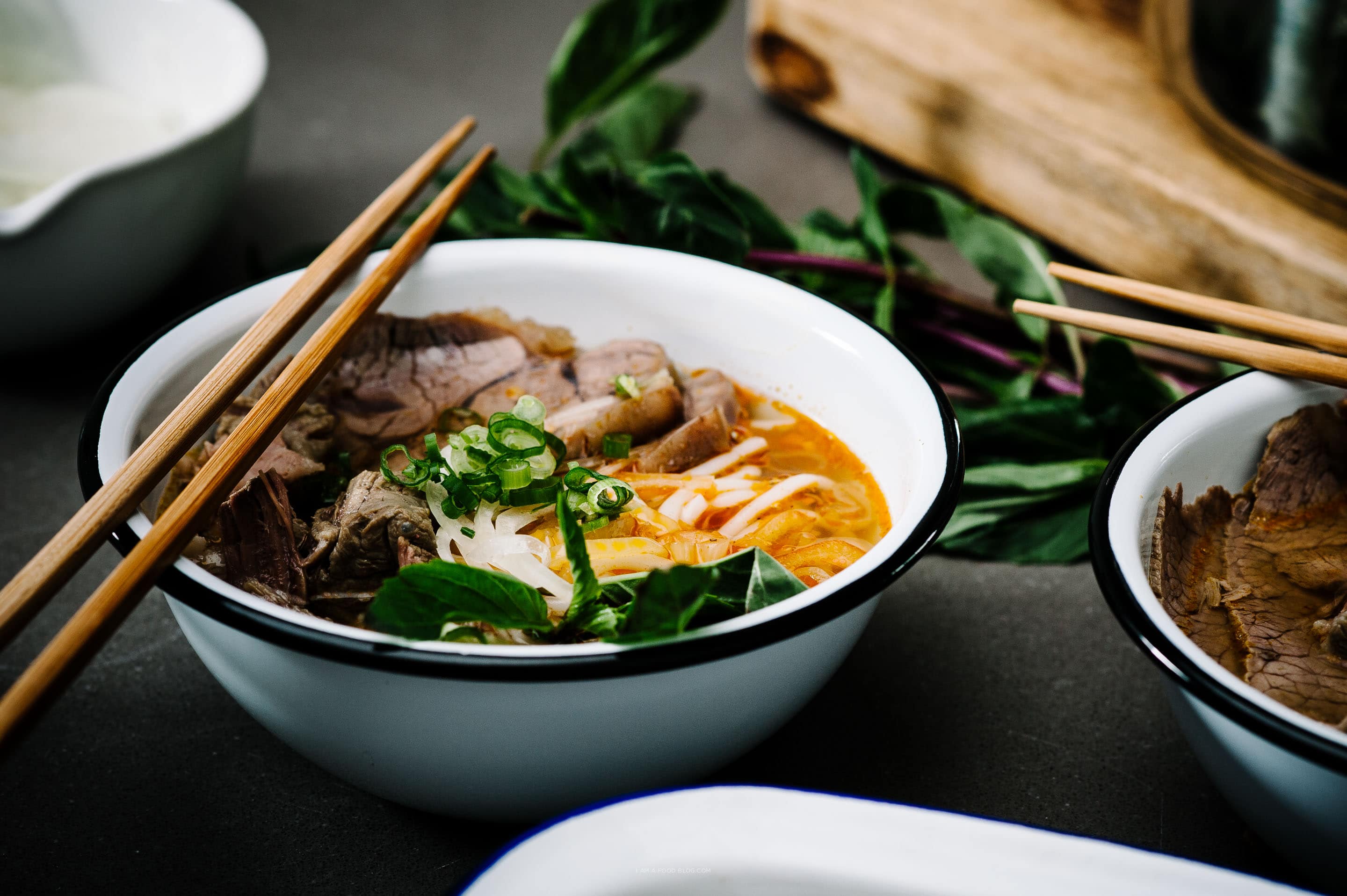
Curry Mee: A creamy coconut curry broth poured over a combination of yellow egg noodles and thin rice vermicelli. Common toppings include tofu puffs, blood cockles, cuttlefish, and fresh mint leaves.
Nasi Lemak Packets: Frequently left on the center of wooden tables when you sit down. These green banana-leaf pyramids contain coconut-scented rice, a spoonful of spicy sambal, a slice of hard-boiled egg, fried anchovies, and roasted peanuts. You simply unwrap and eat; the floor waiter adds the empty leaf wrappers to your drink ticket later.
What to do when wall menus are written in short codes
Older corner shops rarely hand out printed menus with English translations or descriptions. Instead, you will see hand-painted boards above vendor stalls listing names like 'Wan Tan Mee' or 'Lobo Gao' without explanations of what goes onto the plate.
When a stall sign lists ambiguous dish names or shorthand options, opening MenuDish lets you scan the stall sign and instantly match the text to real food photos from existing diners. Seeing an actual bowl helps you check whether a noodle dish includes organ meats, shellfish, or dark soy gravy before you commit to ordering.
Table manners, tissue packets, and seat sharing
Kopitiam dining moves briskly, particularly during the peak rush between 7:30 AM and 9:30 AM.
If an empty table holds a small tissue packet, a folding umbrella, or a bunch of keys, that spot is claimed. This practice of marking spots is strictly adhered to by locals.
When every table is occupied, expect incoming diners to ask if they can share spare seats at your table. A simple nod is standard courtesy. Diners eat their noodles, finish their coffee, and leave promptly so the next person can sit.
Don't cook it — find it.
See every dish on any menu before you order. Scan, see the photo, check allergens & nutrition.