Key takeaways
- Roujiamo is not a western burger; it is slow-braised spiced pork belly tucked inside a crisp, ring-baked flatbread.
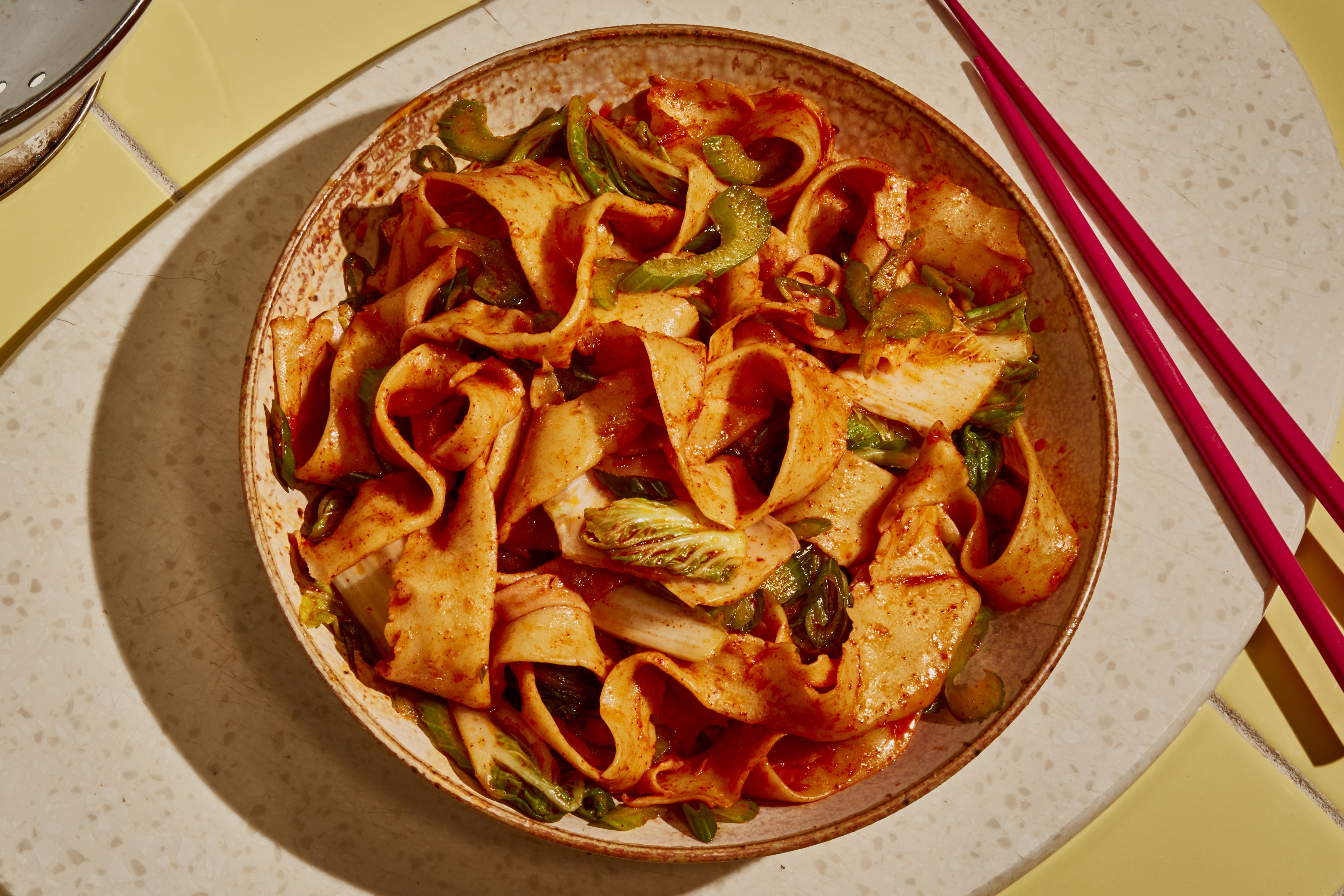
- Biang Biang noodles gain their chewy bounce from being slapped hard against wooden tables before getting scalded with garlic chili oil.
- Yangrou Paomo requires you to break dry flatbread into tiny pea-sized bits yourself before sending the bowl back to the kitchen for hot mutton soup.
- Liangpi (cold skin noodles) offer a refreshing, tangy garlic-vinegar contrast to Xi'an's rich meat and wheat dishes.
Wheat over rice: Why Xi'an menus look different
If your idea of Chinese dining revolves around steamed white rice and delicate dim sum, a Xi'an menu will throw you for a loop. Capital of Shaanxi province and the historical starting point of the Silk Road, Xi'an sits in northern wheat territory. Rice takes a backseat here to thick handmade noodles, steamed buns, and griddled breads spiked with cumin, garlic, and fragrant black vinegar.
Because the region hosted centuries of Central Asian trade, you will also spot strong halal influence across every block. Mutton, lamb, and beef stewed with star anise and cinnamon share equal billing with pork dishes, creating a menu board packed with smoky garlic, toasted chili flakes, and rich rendered fats.
Roujiamo and Liangpi: The unbeatable street food pairing
Almost every Xi'an noodle joint opens its menu with Roujiamo (肉夹馍). English menus often render this as 'Chinese pork burger,' which fails to capture how good it is. Cooks pull braised pork belly—simmered for hours in a master stock laced with ginger, clove, and cassia bark—straight from the pot, chop it coarsely with a heavy cleaver, and stuff it into a white, ring-patterned flatbread called a baijimo. The bread crust crackles, while the warm fat melts into the dough.
Locals pair Roujiamo with Liangpi (凉皮), translated literally as 'cold skin noodles.' Despite the name, there is no animal skin involved. Starch paste from wheat or rice flour is steamed into thin sheets, sliced into ribbons, and tossed cold with black vinegar, garlic water, cucumber strips, seitan cubes, and a heavy spoon of chili oil. The cold, tart acidity cuts straight through the richness of the meat bun.
Biang Biang and Beyond: Decoding the noodle section
The noodle section is where most diners hit a wall of unfamiliar characters and names. The undisputed star is Biang Biang Mian (𡔟𡔟面), named after the thumping sound dough makes when slapped against a stainless steel work table. These are belt-wide wheat noodles pulled by hand to order. The traditional preparation is You Po (油泼)—scallions, raw minced garlic, chili powder, and soy sauce dumped over hot noodles, then scalded with a ladle of smoking-hot vegetable oil that sizzles on contact.
If you see Qishan Saozi Mian (歧山臊子面), expect thinner noodles floating in a tart, spicy broth topped with finely diced pork, black wood ear mushrooms, yellow day lily buds, and firm tofu cubes. When you are not sure whether an item on the wall menu is soupy, dry, or spicy, opening MenuDish lets you scan the Mandarin menu text to see matched real dish photos and full ingredient breakdowns so you never accidentally order offal stew when you wanted chili-oil belts.
Yangrou Paomo: The DIY mutton bread bowl
Order Yangrou Paomo (羊肉泡馍) and the server will likely bring you a pair of dense, round unleavened breads (tuotuo mo) and an empty ceramic bowl. This is not a mistake—it is your job to roll up your sleeves and tear the bread into tiny fragments, roughly the size of sweet corn kernels or small peas. The smaller you break them, the better they absorb the broth.
Once your bowl is filled with bread bits, hand it back to the kitchen. The chef ladles boiling, long-simmered mutton broth over your bowl along with shaved lamb, glass noodles, wood ear fungus, and cilantro. It arrives back at your table scalding hot, served with pickled sweet garlic cloves and red chili paste on the side. It is dense, deeply savory, and one of the ultimate comfort dishes in Northern China.
How to complete your meal like a local
To round out a heavy Xi'an meal, look at the beverage list for Ice Peak (冰峰 - Bingfeng). This orange-flavored soda served in retro glass bottles has been produced in Xi'an since the 1950s and plays the exact same cultural role as Coca-Cola does with American barbecue. For a non-carbonated option, look for warm Suanmeitang (sour plum drink), brewed from dried plums and sweet osmanthus flowers to soothe burning lips.
When specifying heat levels, remember that Shaanxi chili heat is aromatic and savory rather than numbing like Sichuan cooking. If you want moderate heat, ask for wei la (微辣). If you want no spicy oil at all, say bu la (不辣). Keep an eye out for jars of pickled garlic on the table—a bite between mouthfuls refreshes your palate when dishes get heavy.
Don't cook it — find it.
See every dish on any menu before you order. Scan, see the photo, check allergens & nutrition.