Key takeaways
- An arepa is a disc-shaped cornmeal cake, a staple in Venezuelan and Colombian cuisine, often grilled, baked, or fried.
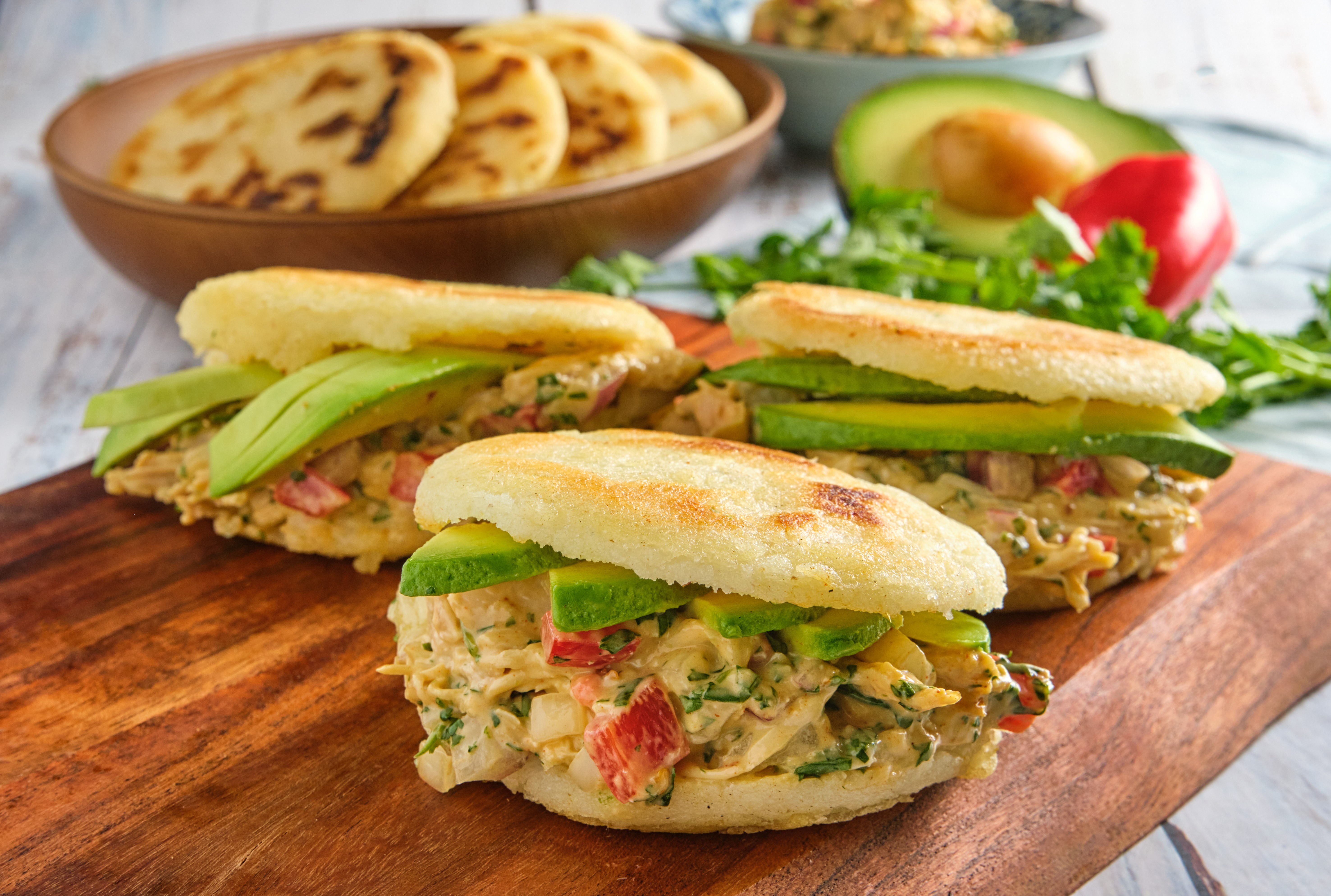
- Venezuelan arepas are typically thicker, split open, and generously stuffed with fillings like shredded beef, chicken salad, or cheese.
- Colombian arepas are usually thinner, often served plain or with a simple topping like cheese, and accompany other dishes.
- Popular Venezuelan fillings include Reina Pepiada (chicken and avocado salad), Pabellón (shredded beef, black beans, plantains), and Domino (black beans and white cheese).
- Arepas are naturally gluten-free as they are made from pre-cooked corn flour (masarepa).
What Exactly Is an Arepa?
At its heart, an arepa is a simple, unleavened patty made from pre-cooked corn flour, water, and a pinch of salt. That’s it. This humble dough is then shaped into a disc, cooked until golden and slightly crisp on the outside, and wonderfully soft or chewy within. Think of it as a blank canvas, ready to be filled, topped, or eaten plain.
For centuries, arepas have been a foundational food in countries like Venezuela and Colombia, eaten for breakfast, lunch, or dinner. They’re a source of sustenance, a vehicle for flavor, and a symbol of national identity. While the basic concept is shared, the execution and cultural significance vary quite a bit between regions.
Venezuelan vs. Colombian Arepas: Subtle but Significant Differences
This is where the plot thickens. While both nations claim the arepa as their own, they use it differently:
- Venezuelan Arepas: The Stuffed Powerhouse
Venezuelan arepas are typically thicker, cooked until they puff slightly, and then sliced open like a pita pocket to be stuffed to the brim. These are substantial, often messy, and almost always the main event. The fillings are what make them famous, turning a simple corn cake into a rich, complex meal. When you see 'Arepa' on a menu outside of South America, chances are it's referring to the Venezuelan style.
- Colombian Arepas: The Accompaniment
Colombian arepas tend to be thinner and flatter, often grilled or griddled until lightly browned. They're usually eaten as a side dish, much like bread, accompanying soups, stews, or grilled meats. While some arepas are served with a simple pat of butter or a sprinkle of cheese, they aren't typically split and stuffed with elaborate fillings in the same way their Venezuelan cousins are. There are many regional varieties, from the sweet arepa de chócolo (made with fresh corn) to the simple arepa paisa.
A World of Fillings: From Reina Pepiada to Pabellón
This is the fun part, and often the most confusing for newcomers. Venezuelan arepas boast some truly iconic fillings:
- Reina Pepiada: This translates to 'Pepiada Queen,' a nod to Venezuelan beauty queen Susana Duijm. It's a creamy, vibrant chicken and avocado salad, often mixed with a touch of mayonnaise and cilantro. Rich, savory, and incredibly satisfying.
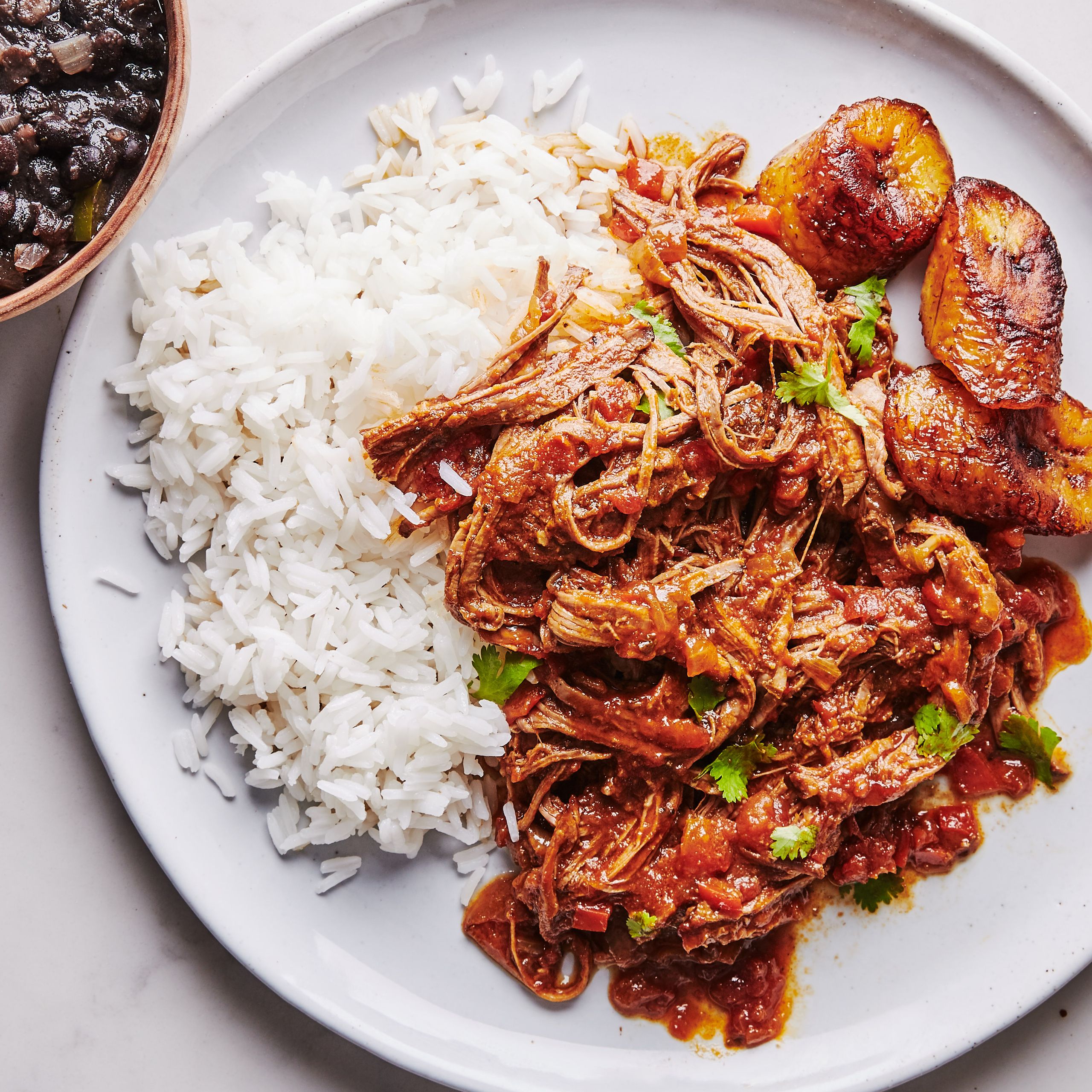
- Pabellón: Essentially Venezuela's national dish, crammed into an arepa. It features tender shredded beef (often stewed), sweet fried plantains, savory black beans, and sometimes a sprinkle of white cheese. It's a symphony of sweet, savory, and umami flavors.
- Domino: Simple but utterly delicious. A combination of black beans and fresh, salty white cheese (like queso blanco or queso de mano). The black and white colors are why it's called 'domino.'
- Pelúa: 'Hairy' in Spanish, referring to the strands of shredded beef (or sometimes pork) mixed with grated yellow cheese. It's a cheesy, meaty delight.
- Sifrina: A luxurious take on the Reina Pepiada, adding shredded yellow cheese to the chicken and avocado salad.
- Perico: Scrambled eggs with onions, tomatoes, and sometimes bell peppers. A popular breakfast filling.
When you're trying to visualize these delicious, but sometimes unfamiliar, combinations, apps like MenuDish can be incredibly handy. You can scan the menu and see real dish photos of a 'Reina Pepiada' or 'Pabellón' arepa, giving you a clear picture of what to expect before you order.
How to Order Your Perfect Arepa
If you're at a Venezuelan arepera, the process is straightforward:
- Choose your filling: This is the main decision. Go for a classic like Reina Pepiada if you like creamy chicken, or Pabellón for a hearty, traditional experience.
- Consider extras: Some places offer extra cheese, avocado slices, or a fried egg on top. Don't be shy to ask!
- Embrace the mess: Arepas are meant to be eaten with your hands, and they can be gloriously messy. Grab plenty of napkins.
- Pair it: A good arepa pairs perfectly with a cold soda, fresh juice, or even a beer.
If you're in a Colombian restaurant, you'll likely find arepas offered as a side. They might come with a main dish, or you can order one with cheese or just butter to accompany your meal.
Are Arepas Gluten-Free? And Other Common Questions
Yes, traditional arepas are naturally gluten-free! They are made from pre-cooked corn flour, often called masarepa or harina P.A.N., which is entirely corn-based. This makes them an excellent option for those with gluten sensitivities or celiac disease.
However, always double-check the preparation methods and fillings if you have severe allergies. Some establishments might use shared fryers or add ingredients to fillings that contain gluten, so it's always best to ask.
Why You Need to Try One (or Ten)
Arepas are more than just a meal; they're an experience. They embody the warmth and generosity of South American cuisine, offering a comforting, filling, and deeply flavorful bite. Whether you prefer the rich, stuffed Venezuelan variety or the simpler, versatile Colombian style, there's an arepa out there for you.
So next time you see 'Arepas' on a menu, don't just stare blankly. Dive in. Ask questions. And prepare to discover a new favorite. You might just find yourself craving that perfect combination of crispy corn and savory filling sooner than you think.
Don't cook it — find it.
See every dish on any menu before you order. Scan, see the photo, check allergens & nutrition.