Key takeaways
- Kimchi is a traditional Korean fermented vegetable dish, most commonly made with napa cabbage, but many other vegetables are used.
- Its signature taste is a complex blend of spicy, sour, umami, and sometimes sweet notes, resulting from a unique fermentation process.
- Beyond being a side dish, kimchi is a versatile ingredient used in stews, fried rice, pancakes, and more, adding depth and flavor to many Korean meals.
- While often vegetarian, traditional kimchi can contain seafood products like salted shrimp or fish sauce, so it's good to check if you have dietary restrictions.
Kimchi: Beyond Just Spicy Cabbage
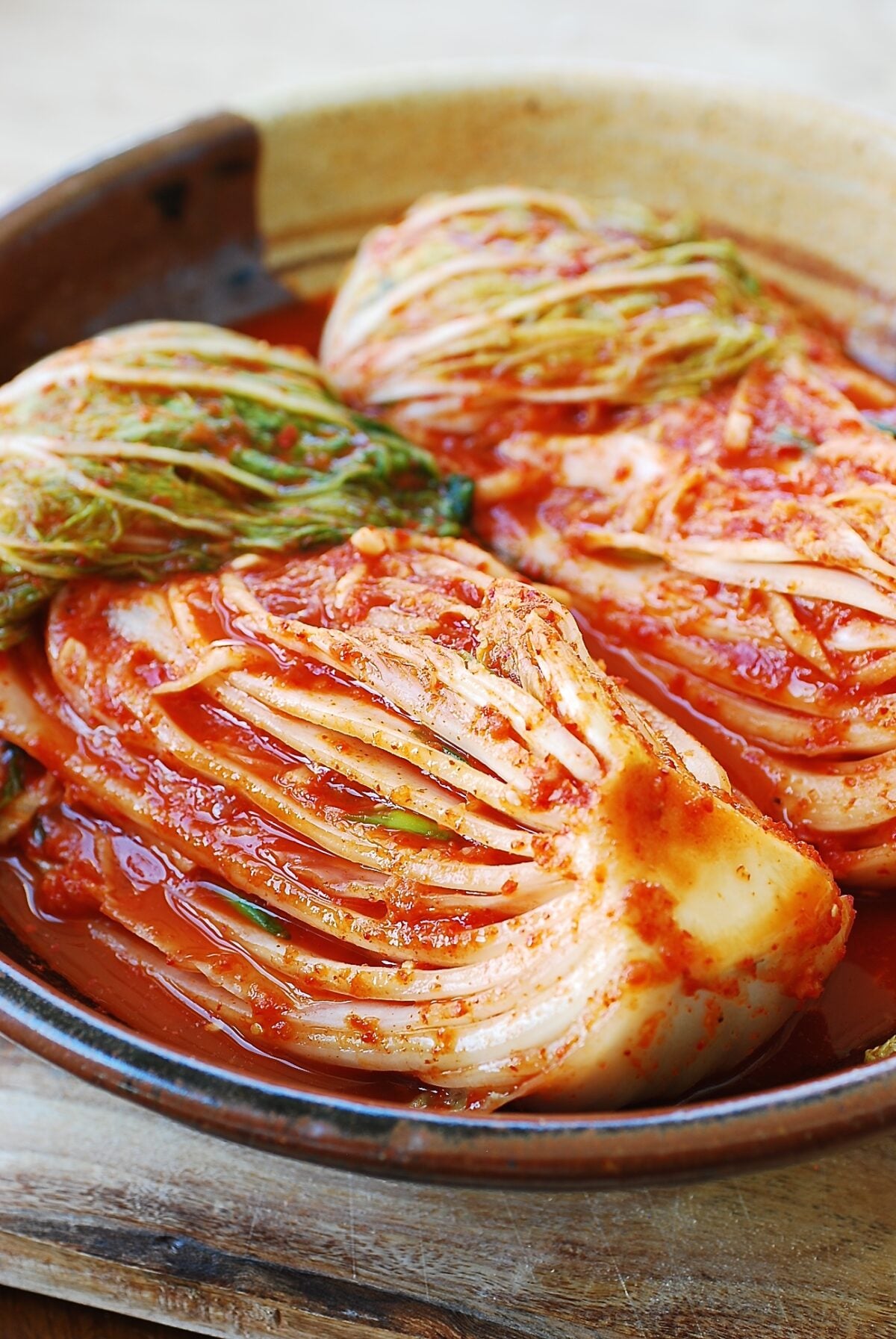
At its heart, kimchi is a fermented vegetable dish, a culinary tradition in Korea that dates back centuries. While the most recognizable version uses napa cabbage (
The magic happens through a brining process, followed by mixing the vegetables with a paste of spices and aromatics. This paste typically includes
The Many Faces of Kimchi
While
Kkakdugi (Cubed Radish Kimchi): Chunks of Korean radish, crisp and refreshing, with a satisfying crunch.Oi Sobagi (Stuffed Cucumber Kimchi): Cucumbers slit and filled with a spicy mixture, often served fresh and less fermented.Chonggak Kimchi (Ponytail Radish Kimchi): Made from small, young radishes with their long green tops still attached, offering a peppery bite.Baek Kimchi (White Kimchi): A non-spicy version, often made with napa cabbage, flavored with fruit, garlic, and ginger, perfect for those sensitive to heat.
Each type offers a different sensory experience, from the fiery crunch of napa cabbage to the refreshing snap of cucumber, or the milder, clean taste of white kimchi.
What to Expect: Taste and Texture
When you take a bite of classic napa cabbage kimchi, you're hit with a symphony of flavors. First, there's the distinct tang and sourness from the fermentation, often followed by a pleasant heat from the
Texturally, it should be crisp and crunchy, never mushy. The cabbage retains a satisfying bite, even after fermentation, making it an invigorating addition to any meal.
Why it's More Than Just a Side Dish
While kimchi is a staple
Kimchi Jjigae (Kimchi Stew): A warming, spicy, and deeply savory stew, often made with pork or tofu, where well-fermented kimchi is the star.Kimchi Bokkeumbap (Kimchi Fried Rice): A comforting dish where kimchi is stir-fried with rice, often topped with a fried egg.Kimchijeon (Kimchi Pancake): Savory pancakes studded with chopped kimchi, crispy on the outside and tender within.Kimchi Mandu (Kimchi Dumplings): Dumplings filled with a mixture of kimchi, tofu, and sometimes meat.
These are just a few examples; kimchi's versatility means it shows up in everything from ramen to sandwiches, adding its signature zing.
Ordering Kimchi: What to Expect and How to Check
When you order Korean food, kimchi will almost always be part of the complimentary
For those with dietary concerns, particularly if you're vegetarian or vegan, it’s worth noting that traditional kimchi often contains
The Heart of Korean Cuisine
Kimchi is more than just a food item; it's a cultural icon, a symbol of Korean identity and hospitality. Its preparation, often a communal event called
Don't cook it — find it.
See every dish on any menu before you order. Scan, see the photo, check allergens & nutrition.