Key takeaways
- Lomo Saltado combines Cantonese wok-cooking techniques with native Peruvian ingredients like ají amarillo peppers.
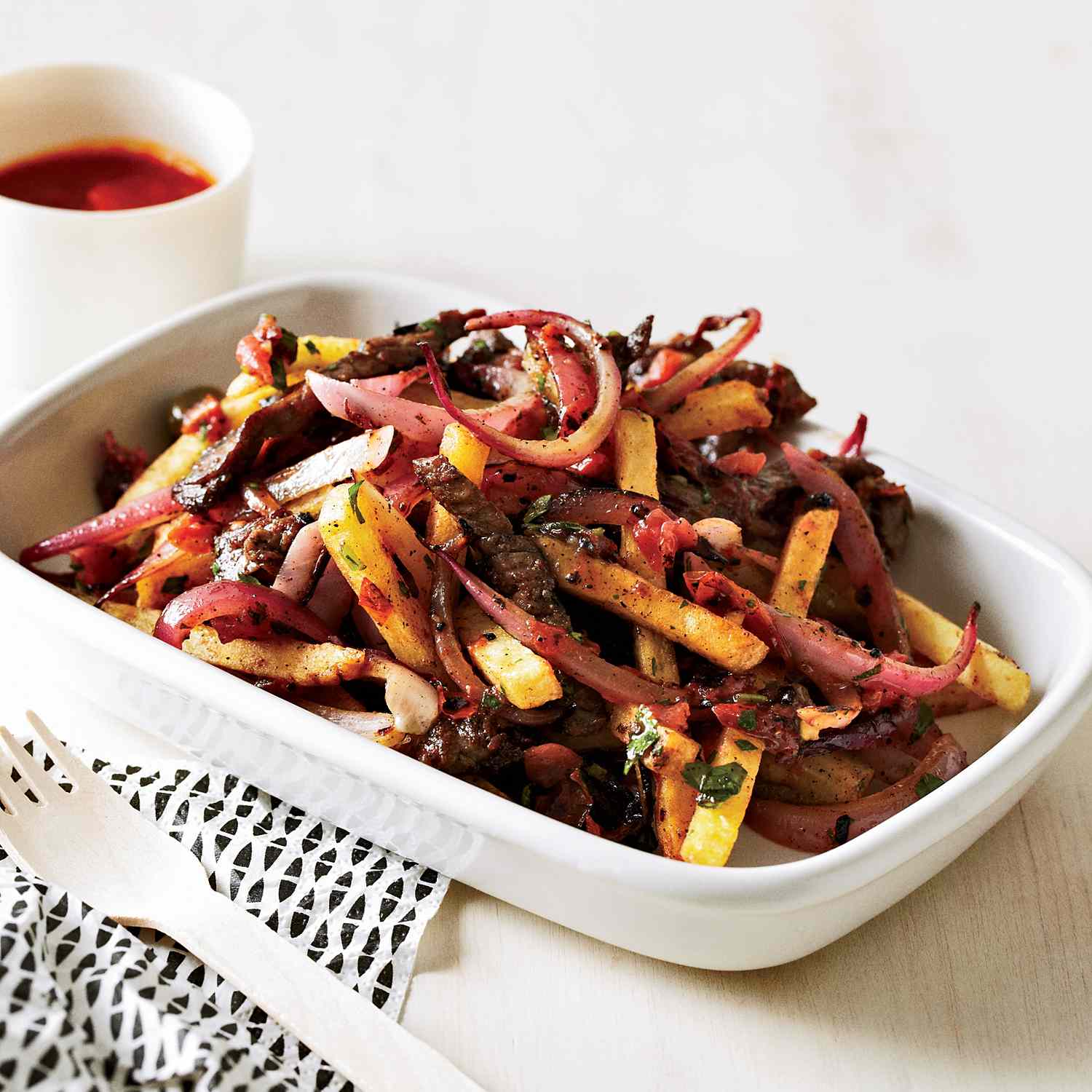
- The dish features tender strips of beef, red onions, tomatoes, and French fries, served alongside white rice.
- Pan-searing at intense heat gives the beef its signature smoky pan flare flavor.
- It is a classic example of Chifa, the distinct culinary fusion created by Chinese immigrants in Peru during the late 19th century.
The Chinese-Peruvian marriage in a single wok
In the late 1800s, Cantonese laborers arrived in Peru to work on coastal plantations and railways. They brought their carbon-steel woks, soy sauce, and high-heat cooking traditions. When matched with Peru's native yellow peppers, beef, and abundance of potatoes, an entirely new culinary tradition was born: Chifa.
Lomo Saltado is the poster child of Chifa. The word saltado refers to the jump or leap of food inside a raging wok. Cooked fast over roaring flames, strips of sirloin or beef tenderloin sear instantly, locking in juices while acquiring a smoky char that you cannot replicate on a slow electric burner.
Salty, tangy, smoky, and surprisingly saucy
If you have ever enjoyed a classic beef stir-fry, the baseline flavor profile will feel familiar, yet Lomo Saltado carries distinct twists. Soy sauce provides a deep savory baseline, while red wine vinegar cuts through the rich meat with a bright, tart acidity.
The secret spark comes from ají amarillo, a bright orange chili pepper native to the Andes. It delivers a gentle, fruity warmth rather than raw heat. Tomatoes add sweet juiciness, while red onions retain a slight crunch that contrasts with tender meat.
Why are there French fries in my stir-fry?
For newcomers, seeing thick-cut French fries tossed directly into a saucy stir-fry can feel jarring. Won't they get soggy? That depends on the cook's timing.
In a proper Peruvian kitchen, crisp fried potatoes are folded into the wok during the final five seconds of cooking. They absorb the savory, vinegary pan juices without losing all their crisp edge. Paired with fluffy white rice on the side, the dual carb combination absorbs every single drop of broth on the plate.
What to look for when ordering Lomo Saltado
Not all plates of Lomo Saltado are created equal. A lazy kitchen might overcook the meat into chewy rubber or drown soggy fries in excess cornstarch gravy. A great version relies on speed, precise knife work, and searing heat.
Look for beef strips that are seared dark on the outside while staying pink and tender inside. The onion wedges should be translucent at the edges but crisp in the middle. If you are browsing an unfamiliar Peruvian menu and want to check how a restaurant plates its dishes, scanning the menu with MenuDish lets you see real photos of dishes before you order.
Variations you might see on Peruvian menus
While beef tenderloin is traditional, regional restaurants and home cooks frequently tweak the protein. Here are a few offshoots you might encounter:
Pollo Saltado: Made with strips of chicken breast or thigh, offering a lighter option with the same smoky soy-vinegar glaze.
Mariscos Saltados: A coastal adaptation replacing meat with squid, shrimp, and firm white fish.
Tacu Tacu con Lomo: Tenderloin stir-fry served over a pan-fried cake of seasoned rice and canary beans instead of plain steamed rice.
Don't cook it — find it.
See every dish on any menu before you order. Scan, see the photo, check allergens & nutrition.
Allergens: Soy, Gluten. The MenuDish app flags these automatically for every dish it scans.