Key takeaways
- 'Nduja is a spicy, spreadable pork sausage from Calabria, Italy, seasoned heavily with Calabrian chilies.
- It has a soft, almost pâté-like texture, making it unique among cured meats.
- Commonly served with bread, on charcuterie boards, or melted into pasta sauces and on pizza.
- Its flavor is intensely savory, smoky, and delivers a significant, lingering heat.
- Don't confuse its spreadable texture with pâté; it's a cured sausage packed with flavor.
What Exactly *Is* 'Nduja?
At its heart, 'nduja (pronounced en-DOO-ya) is a soft, spreadable pork sausage. But that description barely scratches the surface. Hailing from the sun-drenched, chili-loving region of Calabria in Southern Italy, 'nduja stands apart from its cured meat cousins. It’s made from a mix of pork cuts – often fatty parts like jowl, shoulder, and belly – blended with a generous amount of local Calabrian chili peppers. This isn't just a dash of spice; it's a fundamental part of its identity, giving 'nduja its signature vibrant red hue and intense, lingering heat.
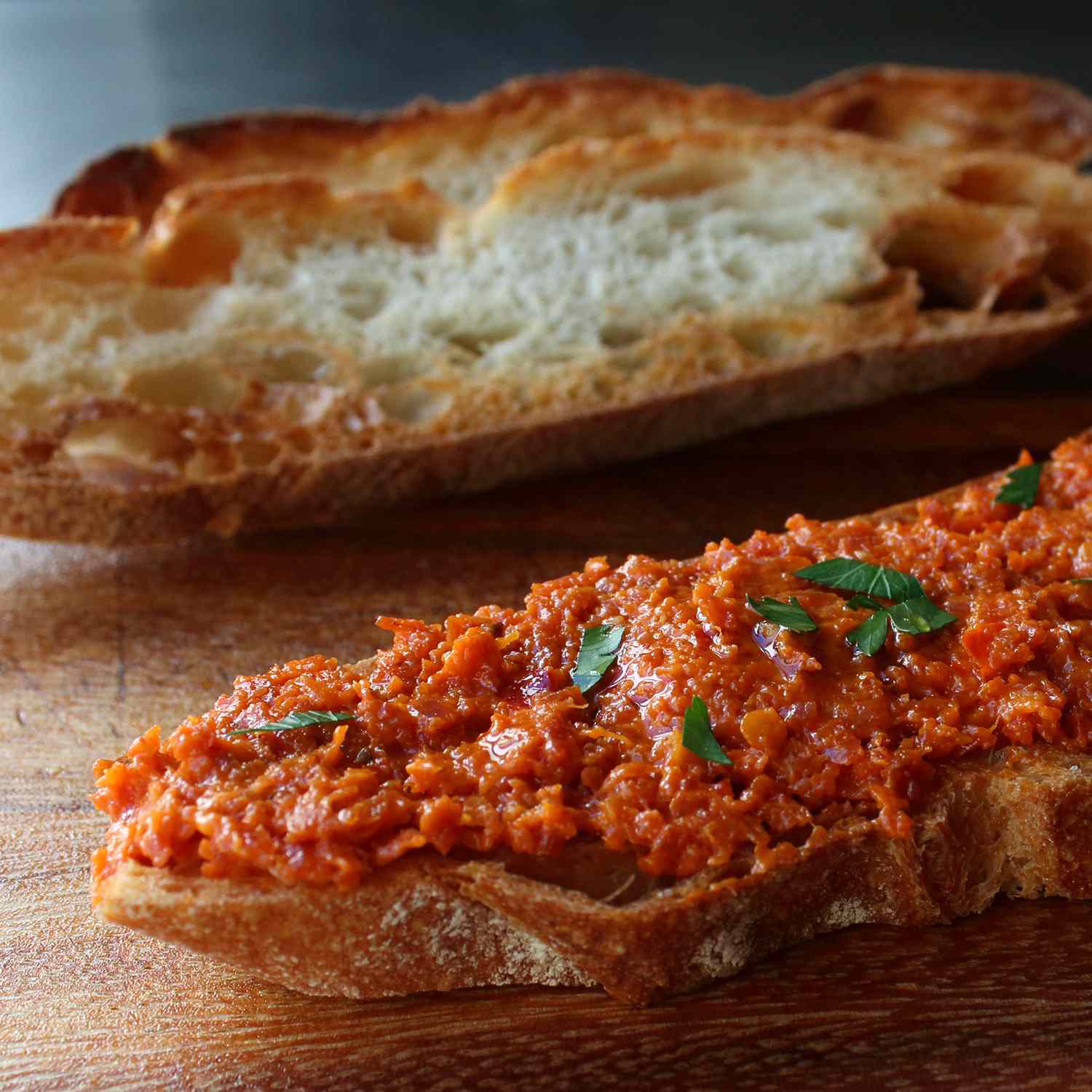
Unlike firm salamis you slice, 'nduja has a texture akin to a coarse pâté or a very soft chorizo, making it utterly unique in the charcuterie world. It's typically stuffed into a casing, aged for a period, and then ready to be smeared, melted, or simply admired.
Why 'Nduja Confuses Everyone
The main source of confusion, beyond its unfamiliar name, is its texture. We're conditioned to expect cured sausages to be firm, something you can slice thinly. 'Nduja defies this expectation. Its soft, spreadable nature makes people wonder if it's raw or needs cooking (it doesn't; it's cured and ready to eat). Then there's the heat: it's not a gentle warmth. Calabrian chilies bring a serious kick, but it's a complex heat, often smoky and fruity, not just a one-note burn.
The deep red color also plays a trick, often leading people to mistake it for a sun-dried tomato paste or another vegetable-based spread. But take one bite, and the rich, fatty pork and assertive spice leave no doubt about its true identity.
The Fiery Heart of Calabria
To truly understand 'nduja, you have to understand Calabria. This region, the 'toe' of Italy's boot, has a deep-seated love affair with chili peppers. They're not just an ingredient; they're a cultural staple, used to preserve food, add flavor, and deliver a healthful kick. 'Nduja is a direct expression of this culinary tradition, born from a need to utilize all parts of the pig and preserve it effectively in the warm climate.
Its origins are humble, often considered a peasant food, but today it's celebrated globally. The most famous 'nduja comes from Spilinga, a small town in the province of Vibo Valentia, where the specific microclimate and traditional methods are said to produce the finest versions.
How to Eat 'Nduja: Ordering Like a Pro
This is where the fun begins. If you see 'nduja on a menu, here's what to expect and how to enjoy it:
- On a Crostino or with Bread: This is the simplest, most classic way. A dollop of 'nduja spread onto crusty bread or a warm crostino. The bread provides a welcome counterpoint to the spice and richness.
- On Pizza: 'Nduja melts beautifully, rendering its fat and infusing the pizza with a spicy, savory oil. It often comes in small dollops that burst with flavor. It pairs wonderfully with creamy cheeses like mozzarella or burrata.
- In Pasta Sauces: A small amount of 'nduja can be melted into a simple tomato sauce or even just olive oil, creating a deeply flavorful and spicy base for pasta. It emulsifies, thickening the sauce and adding incredible depth.
- With Seafood: Surprisingly, 'nduja can elevate seafood dishes. A little bit melted into a sauce for mussels, clams, or even grilled fish adds a piquant, smoky dimension.
- Charcuterie Boards: While it might be messy, a small bowl of 'nduja on a charcuterie board alongside other cured meats, cheeses, and olives is a fantastic addition. Just be sure to provide a small spoon or knife for spreading.
If you're unsure how it's presented on a menu, or what the other ingredients might be, remember that MenuDish can help. It matches real dish photos to menu items, so you can see exactly what that 'nduja pizza or pasta looks like before you order, and even surfaces ingredients to help you understand the full flavor profile.
Cooking with 'Nduja at Home
Once you've tasted 'nduja, you'll likely want to bring it home. It's surprisingly versatile. A little goes a long way, thanks to its intense flavor. Try stirring a teaspoon into scrambled eggs, melting it into a pan sauce for chicken, or even adding a tiny bit to a grilled cheese sandwich for an unexpected kick. It's a fantastic secret weapon for adding instant depth and heat to almost any savory dish.
Don't cook it — find it.
See every dish on any menu before you order. Scan, see the photo, check allergens & nutrition.
Allergens: Pork. The MenuDish app flags these automatically for every dish it scans.