Key takeaways
- Okonomiyaki is a customizable Japanese savory pancake, often grilled on a teppan.
- The two main styles are Osaka (ingredients mixed into batter) and Hiroshima (ingredients layered).
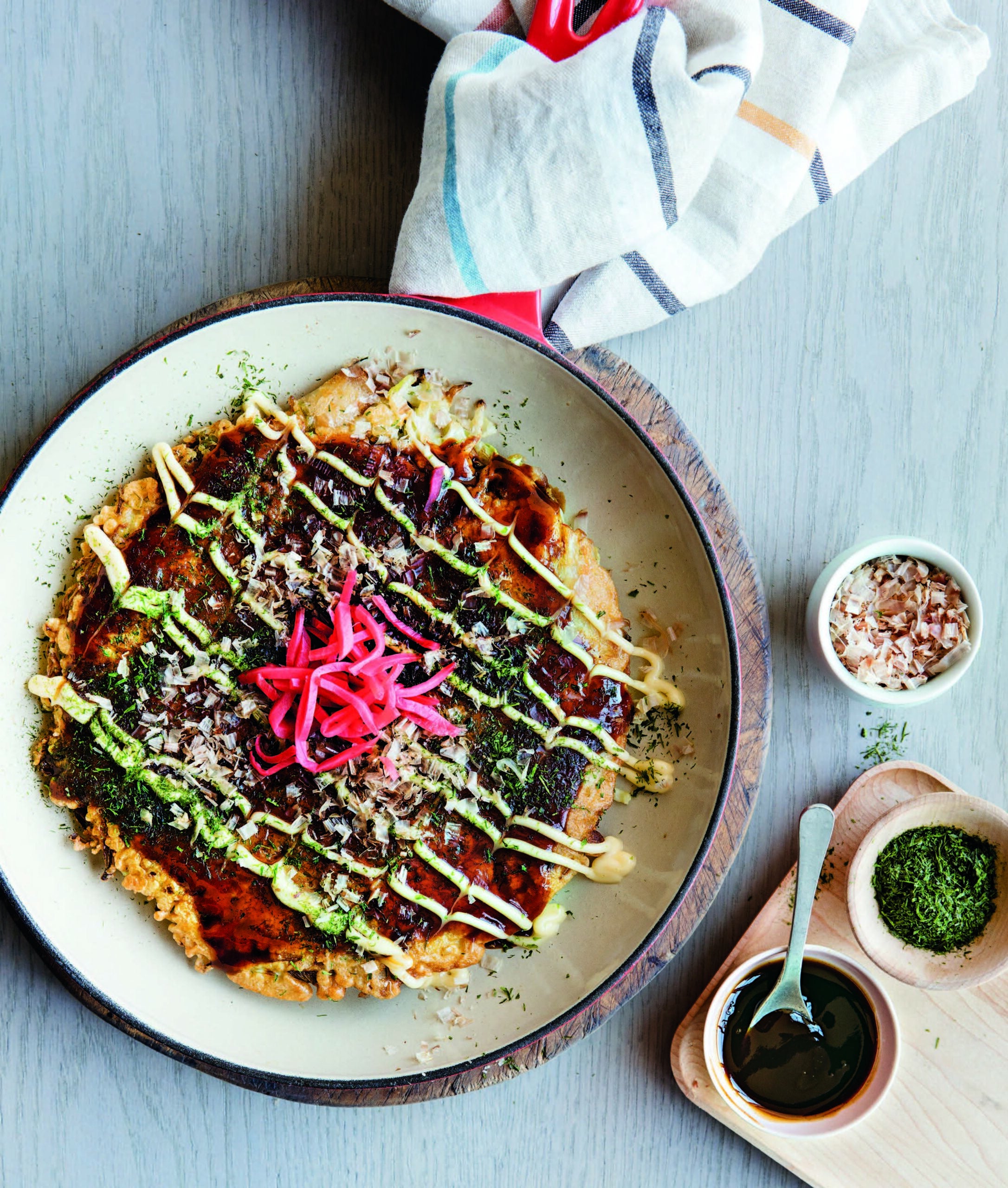
- It's typically topped with a special sauce, mayonnaise, bonito flakes, and nori.
- Ordering involves choosing your fillings and sometimes cooking it yourself at the table.
- It's a hearty, comforting meal that offers a unique taste of Japanese street food culture.
So, What Exactly Is Okonomiyaki?
At its core, okonomiyaki is a thick, griddled pancake made from a batter of flour, eggs, and shredded cabbage. Beyond that basic structure, it becomes a canvas for all sorts of fillings. Think of it less like a breakfast flapjack and more like a hearty, skillet-sized meal. It’s comforting, savory, and incredibly satisfying, often served fresh off a large flat griddle called a teppan.
The magic happens with the mix-ins. Common choices include thinly sliced pork belly, shrimp, squid, octopus, cheese, or even mochi. Once cooked, it’s slathered with a sweet and tangy okonomiyaki sauce (similar to a thicker Worcestershire), a zig-zag of Japanese mayonnaise, a sprinkle of dried green seaweed (aonori), and often a generous flurry of dancing dried bonito flakes (katsuobushi) that curl and wave in the heat.
Osaka Style vs. Hiroshima Style: A Delicious Divide
Just like pizza in New York versus Chicago, okonomiyaki has fiercely debated regional styles, with Osaka and Hiroshima leading the charge. Knowing the difference can really help you choose what you're in the mood for:
Osaka Style (Kansai-style): This is arguably the most common version you’ll encounter. Here, all the main ingredients—cabbage, meat, seafood, and any other fillings—are mixed directly into the flour and egg batter before being grilled into a single, thick pancake. It’s often cooked right at your table on a built-in teppan, which makes for a fun, interactive dining experience. The result is a uniformly textured, dense, and flavorful pancake.
Hiroshima Style: This version is a layered masterpiece. Instead of mixing everything together, a thin crepe-like base is first grilled. Then, a mountain of shredded cabbage is piled on top, followed by other fillings like pork belly, seafood, and often a fried egg. Crucially, a layer of yakisoba noodles is added, making it a much heartier dish. It’s flipped and pressed multiple times, creating distinct layers of textures and flavors. Hiroshima-style is a full meal in itself, often eaten directly off the teppan with a small spade-like spatula.
The Art of the Toppings: Flavor, Texture, and Umami
While the base of okonomiyaki is delicious, the toppings are what elevate it to an unforgettable experience. These aren't just garnishes; they're integral to the dish's flavor profile:
Okonomiyaki Sauce: This is a thick, dark, and glossy sauce that’s sweet, tangy, and savory all at once. It’s often made with fruits, vegetables, and spices, giving it a unique depth.
Japanese Mayonnaise: Creamy, slightly sweeter, and richer than Western mayonnaise, it’s typically applied in a distinctive zig-zag pattern across the top.
Katsuobushi (Bonito Flakes): These delicate, smoky, dried fish flakes are incredibly thin and react to the heat of the okonomiyaki by wiggling and dancing, adding a mesmerizing visual and a burst of umami.
Aonori (Dried Green Seaweed): Sprinkled generously, it adds a subtle oceanic flavor and a vibrant green color.
Benishoga (Pickled Red Ginger): Often served on the side or sprinkled on top, its sharp, spicy, and refreshing bite cuts through the richness of the pancake.
Ordering Okonomiyaki Like a Local
When you sit down at an okonomiyaki restaurant, especially one with a teppan at each table, you might be presented with a menu of options. Don’t be shy! You’ll typically choose your base (pork, shrimp, mixed seafood, etc.) and then any additional toppings. If you're in an Osaka-style place, you might even get to cook it yourself, with staff guiding you. In Hiroshima, it’s usually cooked in the kitchen or on a large central teppan and brought to your table already assembled.
If you're unsure about the ingredients or what the final dish will look like, apps like MenuDish can be incredibly helpful. You can scan the menu, and it will match the item to a real dish photo, letting you see exactly what you’re about to order—layers, toppings, and all—before it even hits the griddle. It takes the guesswork out of deciphering unfamiliar names and helps you embrace the adventure of trying something new, knowing what to expect.
Okonomiyaki is meant to be a shared experience, often enjoyed with friends and a cold drink. It’s hearty, so come hungry!
Why You Should Give Okonomiyaki a Try
Beyond its delicious taste, okonomiyaki offers a glimpse into Japan's vibrant food culture. It’s comfort food at its finest—warm, savory, and endlessly customizable. Whether you prefer the mixed-in simplicity of Osaka or the layered complexity of Hiroshima, there’s an okonomiyaki out there for everyone.
It’s a dish that truly embodies its name: “what you like, grilled.” So next time you see it on a menu, don’t hesitate. Dive in and discover your new favorite Japanese comfort food.
Don't cook it — find it.
See every dish on any menu before you order. Scan, see the photo, check allergens & nutrition.