Key takeaways
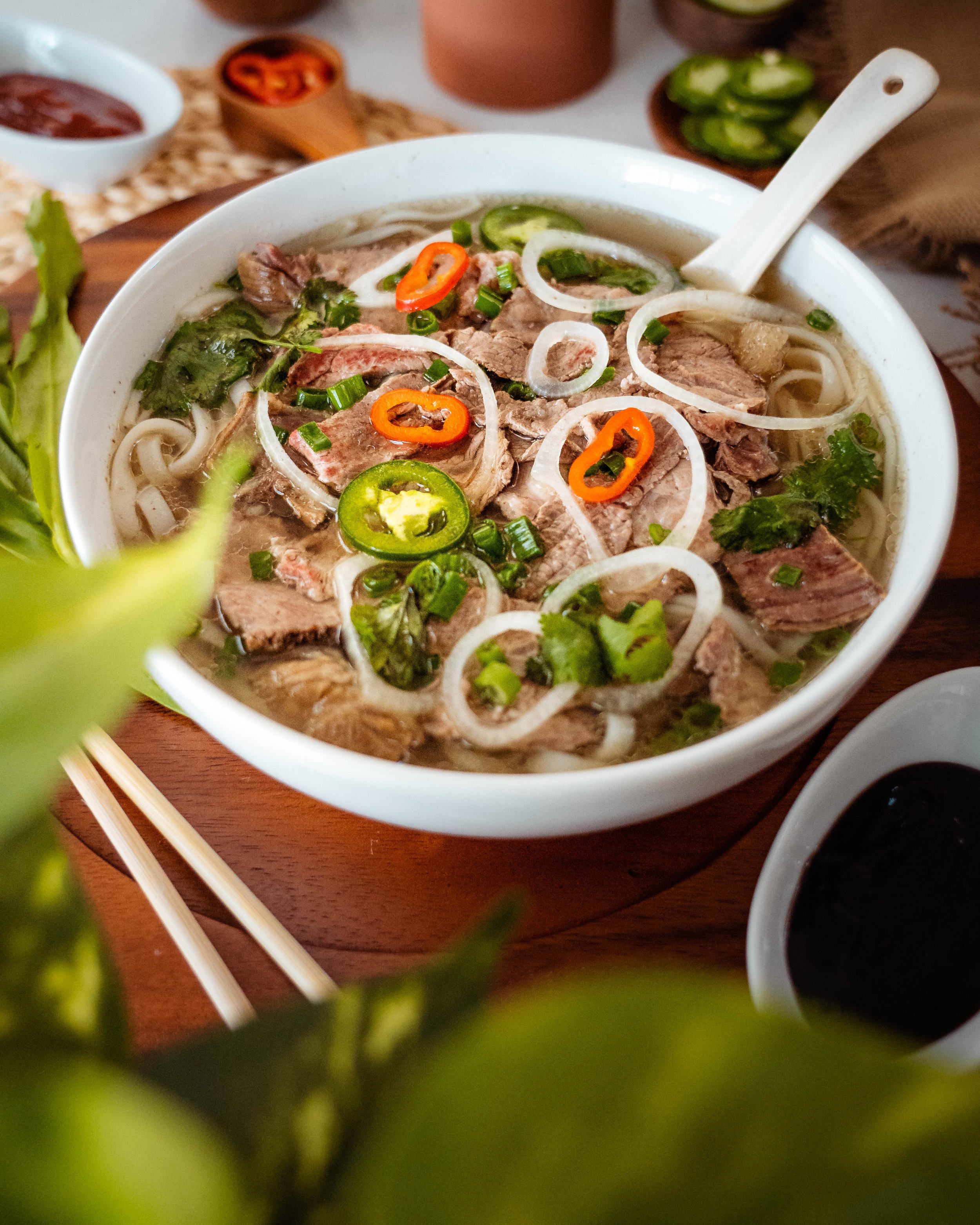
- Pho is a Vietnamese noodle soup, primarily known in two main variations: Phở Bò (beef) and Phở Gà (chicken).
- The broth is the heart of Pho, simmered for hours with specific spices like star anise, cinnamon, and cloves.
- Common cuts of beef in Phở Bò include tái (rare round steak), chín (brisket), gầu (fatty flank), and sách (tripe).
- Pho is served with a plate of fresh herbs and condiments like lime, bean sprouts, basil, cilantro, and chiles for customization.
- MenuDish can help you see real photos of different Pho variations and understand ingredients before you order.
The Heart of Pho: It's All About the Broth
Forget the noodles for a second. The soul of any great Pho is its broth. This isn't just hot water; it's a labor of love, simmered for hours, sometimes overnight, to coax out every ounce of flavor. For Phở Bò (beef pho), beef bones are roasted, then simmered with onions, ginger, and a specific blend of warming spices: star anise, cinnamon sticks, black cardamom, cloves, and sometimes fennel seeds. The result is a clear, deeply aromatic, and incredibly savory liquid with a subtle sweetness.
Phở Gà (chicken pho) follows a similar principle, but with chicken bones and often a slightly lighter, though equally complex, spice profile. It's less common on menus outside Vietnam, but a delightful alternative if you find it.
Phở Bò: Your Beef Options (and What They Mean)
When you order Phở Bò, you'll usually be presented with a list of beef cuts. Don't panic. Here are the most common ones you'll encounter:
- Tái: Thinly sliced rare round steak. It's added to the bowl raw and cooked gently by the hot broth right at your table. A classic choice.
- Chín: Well-done brisket. Cooked until tender, it offers a richer, more robust chew.
- Nạm: Flank steak, often slightly fatty, providing a lovely texture.
- Gầu: Fatty flank. For those who appreciate a richer mouthfeel.
- Gân: Beef tendon. Chewy and gelatinous, a textural adventure for some.
- Sách: Tripe. If you're adventurous, this honeycomb-textured offal adds a unique bite.
Many places offer a đặc biệt (special) bowl, which is a mix of several cuts. It's a great way to try a little bit of everything.
The Noodle and Garnish Game: Your Personal Touch
The noodles in Pho are always flat rice noodles, varying slightly in width depending on the region or restaurant. They should be tender but still have a bit of spring. Crucially, Pho is a DIY dish. When your bowl arrives, it's usually accompanied by a plate piled high with fresh garnishes:
- Bean sprouts: For crunch and freshness.
- Thai basil: Adds a peppery, anise-like aroma.
- Lime wedges: A squeeze brightens the entire broth.
- Sliced chiles (often jalapeño or bird's eye): For a kick of heat.
- Cilantro: Sometimes added directly to the bowl or offered on the side.
You'll also find sauces on the table: hoisin for sweetness and richness, and sriracha for heat. Don't be shy; add them directly to your bowl or use a small dish for dipping your beef. This is where you make the Pho truly yours.
Ordering and Enjoying Your Pho
Ordering Pho is straightforward once you know the basics. Pick your protein (Phở Bò or Phở Gà), then your preferred beef cuts if it's beef. Don't be afraid to ask questions. If you're unsure what a particular cut looks like, an app like MenuDish can be incredibly helpful. It matches menu items to real dish photos, so you can actually see the difference between, say, tái and chín before you commit. It also surfaces ingredients and potential allergens, which is a lifesaver if you have dietary restrictions.
Once your bowl arrives, take a moment to appreciate the aroma. Then, add your desired garnishes and sauces. Stir everything gently, ensuring the rare beef cooks through if that's what you prefer. Slurp those noodles, savor the broth, and don't worry about perfect etiquette—Pho is meant to be enjoyed heartily.
Don't cook it — find it.
See every dish on any menu before you order. Scan, see the photo, check allergens & nutrition.