Key takeaways
- Pierogi are versatile Eastern European dumplings made from unleavened dough, boiled and often pan-fried.
- Classic savory fillings include potato and cheese (pierogi ruskie), meat, or sauerkraut and mushroom.
- Sweet pierogi with fruit fillings like blueberries or cherries are also common, especially in summer.
- They are typically served with toppings like sour cream, fried onions, or bacon bits.
- While often associated with Poland, similar dumplings exist across Eastern Europe, like Ukrainian varenyky.
Beyond the Frozen Aisle: What Exactly Are Pierogi?
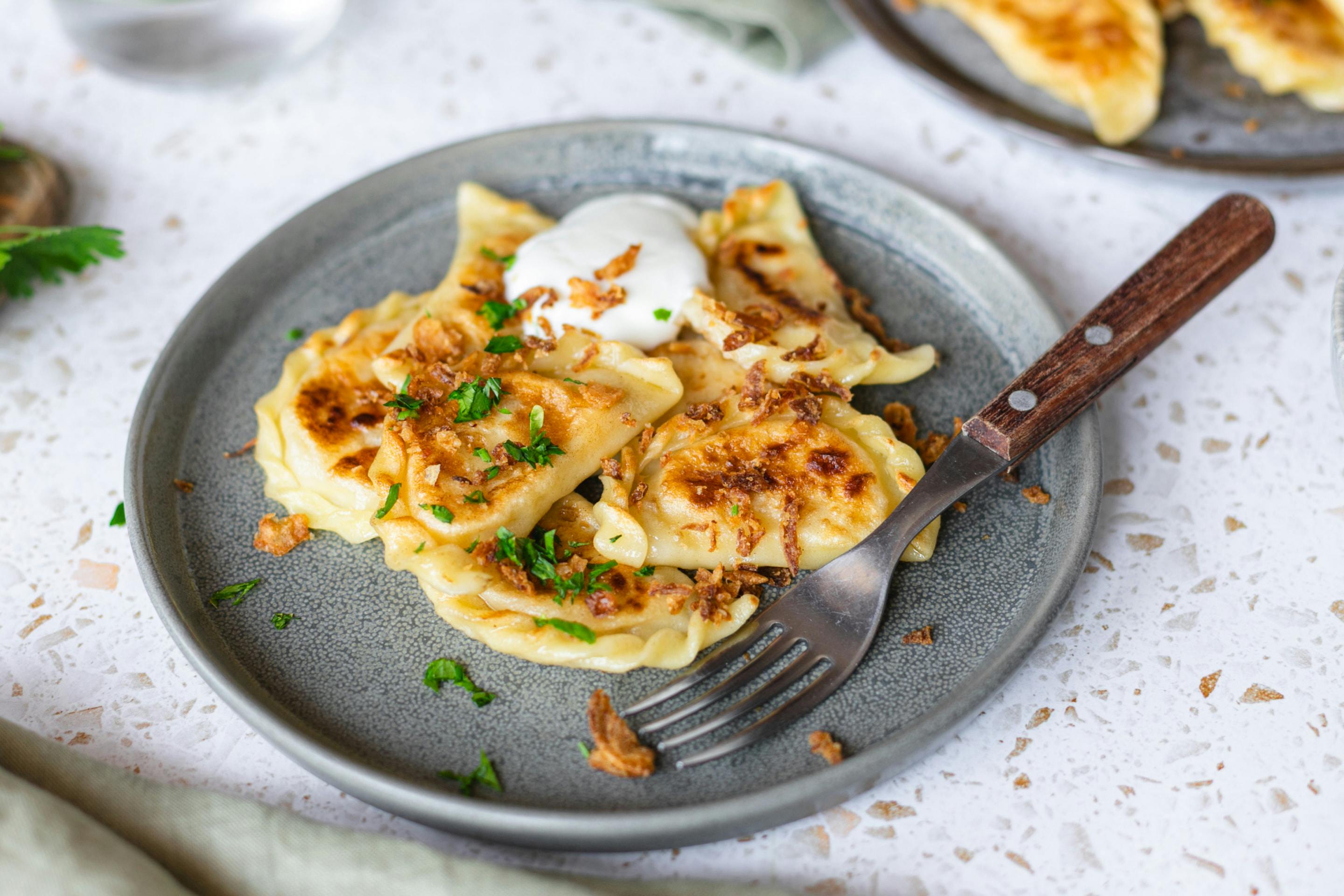
At its heart, a pieróg (that's the singular, though you'll almost always encounter them as the plural, pierogi) is a dumpling. We're talking about a simple, unleavened dough — usually flour, water, and sometimes an egg — wrapped around a savory or sweet filling. They're typically boiled until they float, then often pan-fried in butter until golden and slightly crisp. It’s this two-step cooking process that gives them their satisfying texture: tender and chewy inside, with a delightful hint of crust on the outside.
Think of them as the ultimate comfort food, a dish that conjures images of home cooking and hearty meals. They're substantial, warming, and endlessly adaptable, which is why they've remained a staple across generations.
A Dumpling with Many Names, But One Heart
While pierogi are most famously associated with Poland, virtually every country in Eastern Europe has its own version. In Ukraine, they're varenyky. In Russia, pelmeni. Even Italy has its ravioli, a distant cousin. The core concept — a pocket of dough enclosing a delicious filling — is universal, but pierogi hold a special place for their specific dough texture and traditional fillings. They’re a dish with deep roots, often served during holidays and special occasions, but just as welcome on a Tuesday night.
The Fillings: Savory, Sweet, and Unexpected
This is where pierogi truly shine, offering a range of flavors that cater to every palate. The most iconic, especially in Polish cuisine, is pierogi ruskie. Don't let the name confuse you; it means 'Ruthenian pierogi' (referring to a historical region), and it's a creamy, savory blend of mashed potatoes, farmer's cheese (twaróg), and often sautéed onions. These are the gold standard for many.
Beyond ruskie, you'll find plenty of other savory options:
- Meat: Often ground beef, pork, or a mix, seasoned with onions and spices.
- Sauerkraut and Mushroom: A tangy, earthy combination, particularly popular during Christmas Eve.
- Spinach and Feta: A more modern, but equally delicious, take.
- Lentil: Another vegetarian-friendly option gaining popularity.
But don't stop there. Sweet pierogi are a revelation, especially in warmer months. Imagine tender dumplings bursting with fresh blueberries, cherries, or plums, often served with a dollop of sour cream and a sprinkle of sugar. They're a delightful dessert or even a light meal on their own.
How They're Served: The Perfect Accompaniments
Once boiled and often pan-fried to perfection, pierogi are typically presented with a few classic toppings that elevate their flavor and texture. The most common is a generous dollop of cool, tangy sour cream. For savory pierogi, you'll almost always find them adorned with crispy, golden-brown fried onions. Sometimes, little bits of crispy bacon or pork cracklings (skwarki) are scattered over the top for an extra layer of savory crunch and richness.
These accompaniments aren't just garnish; they're integral to the pierogi experience, balancing the richness of the filling and adding a crucial textural contrast.
Ordering Pierogi Like a Pro
When you're at an authentic Polish or Ukrainian restaurant, don't be afraid to ask about the day's pierogi specials. Many places will offer a mix, allowing you to sample different fillings. If you see 'pierogi ruskie' on the menu, that's your cue for the classic potato and cheese. For something different, look for 'z mięsem' (with meat) or 'z kapustą i grzybami' (with cabbage and mushrooms).
And if you're traveling abroad and find yourself staring at a menu in a language you don't quite grasp, remember MenuDish. It can scan the menu, translate those unfamiliar dish names, and even show you real dish photos of what pierogi (and their various fillings) actually look like. No more guessing if you're getting savory or sweet!
Take the Dumpling Dive
Pierogi are more than just a dish; they're a culinary journey through the heart of Eastern Europe, a testament to simple ingredients transformed into something truly special. Whether you prefer them savory or sweet, boiled or pan-fried, with onions or sour cream, there’s a pieróg out there waiting to become your new favorite comfort food. So next time you spot them on a menu, take the plunge. You won't regret it.
Don't cook it — find it.
See every dish on any menu before you order. Scan, see the photo, check allergens & nutrition.