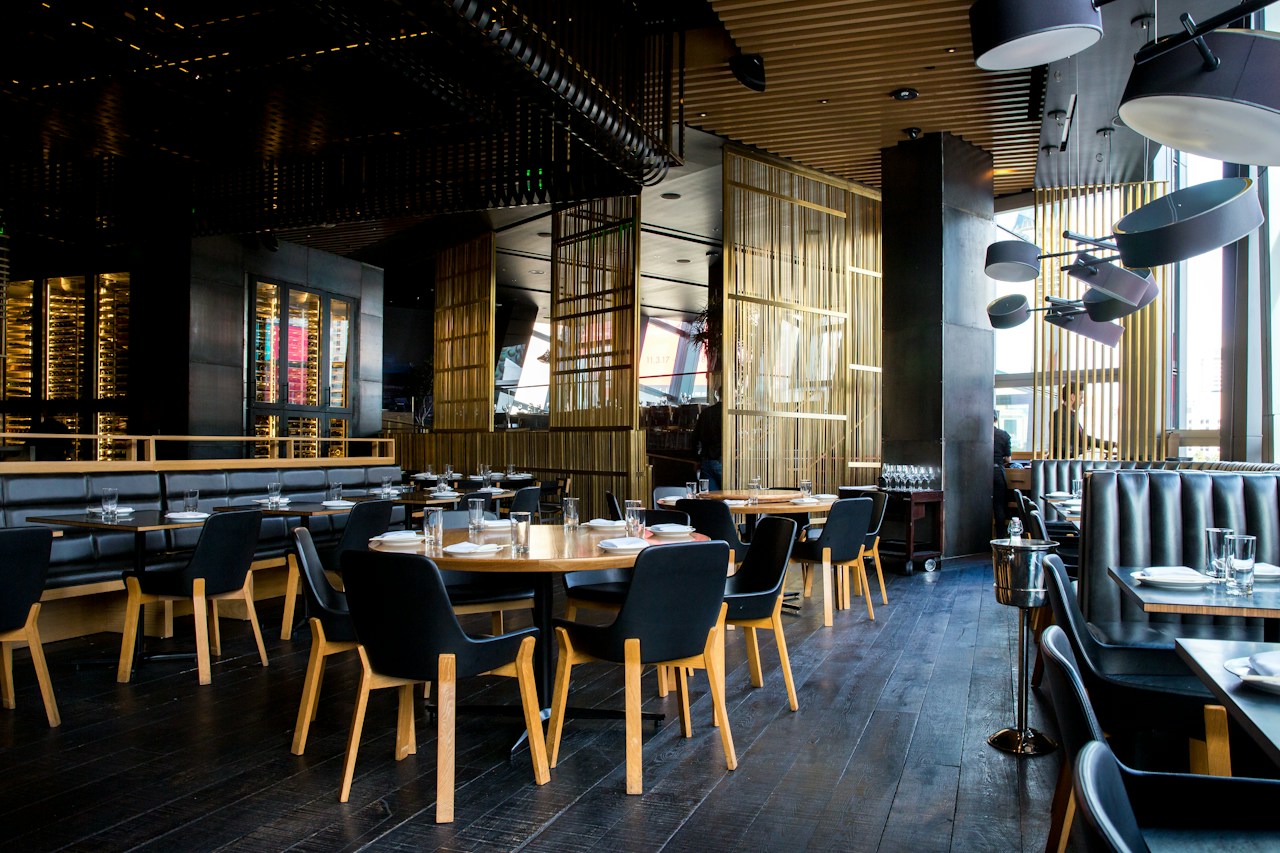
You sit down on a plastic chair five steps from the Mediterranean, feet still dusty with sand, and the waiter hands you a grease-stained laminate sheet. Half the items have handwritten prices under S/M, and somewhere near the back garden, wood smoke is blowing past your table. Dining at a Spanish chiringuito looks relaxed, but ordering can feel surprisingly tricky if you do not know how fish pricing works or why the kitchen refuses to cook paella for a party of one.
Read the full guideFresh from the kitchen
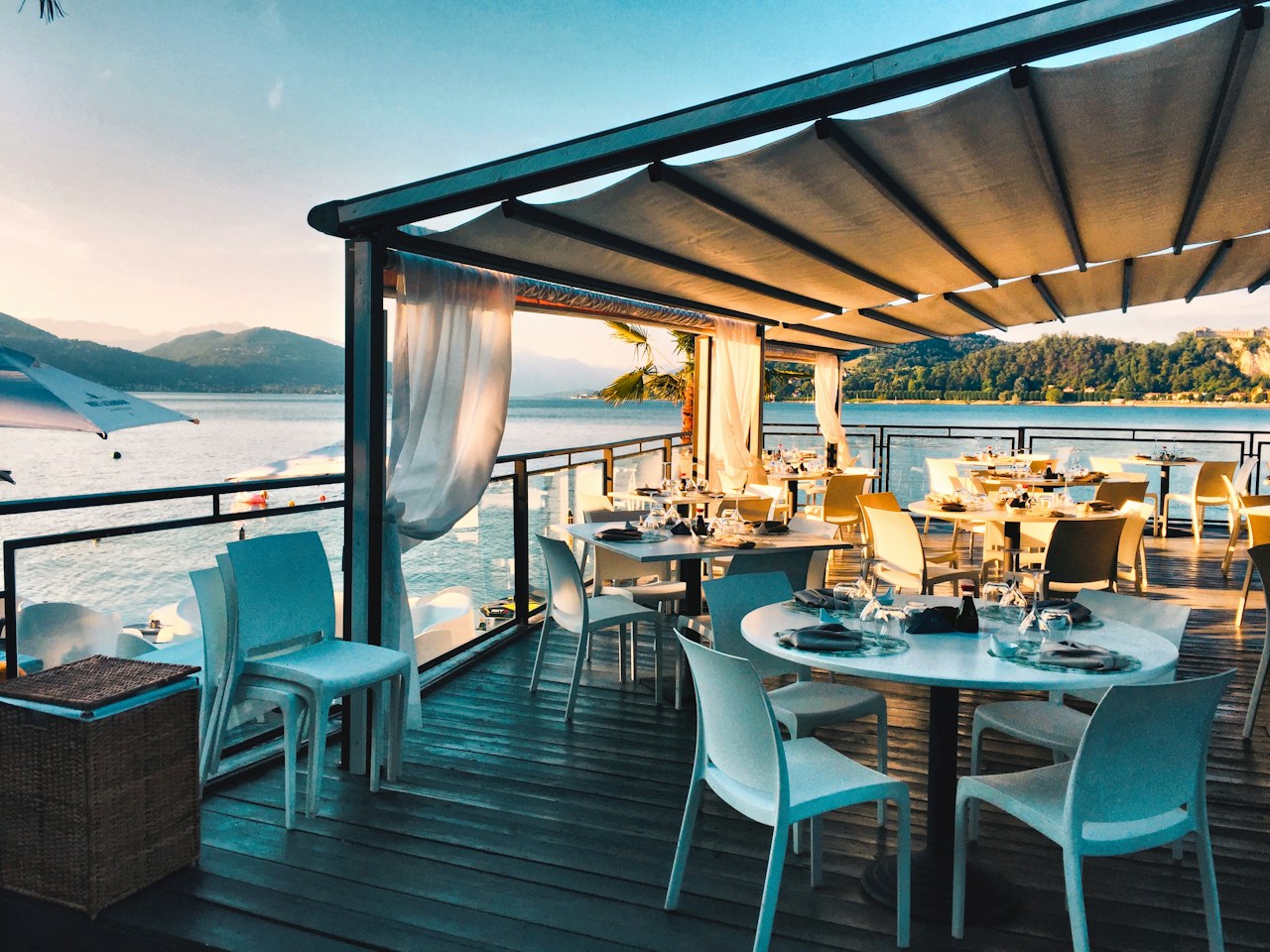
You sit down in a smoky booth in Tokyo, handed a laminated menu packed with kanji, diagrams of cows, and mystery cuts labeled in katakana. The table next to you is searing thin sheets of marbled beef over glowing charcoal, while you try to figure out whether karubi or harami is the cut you actually want.
Read more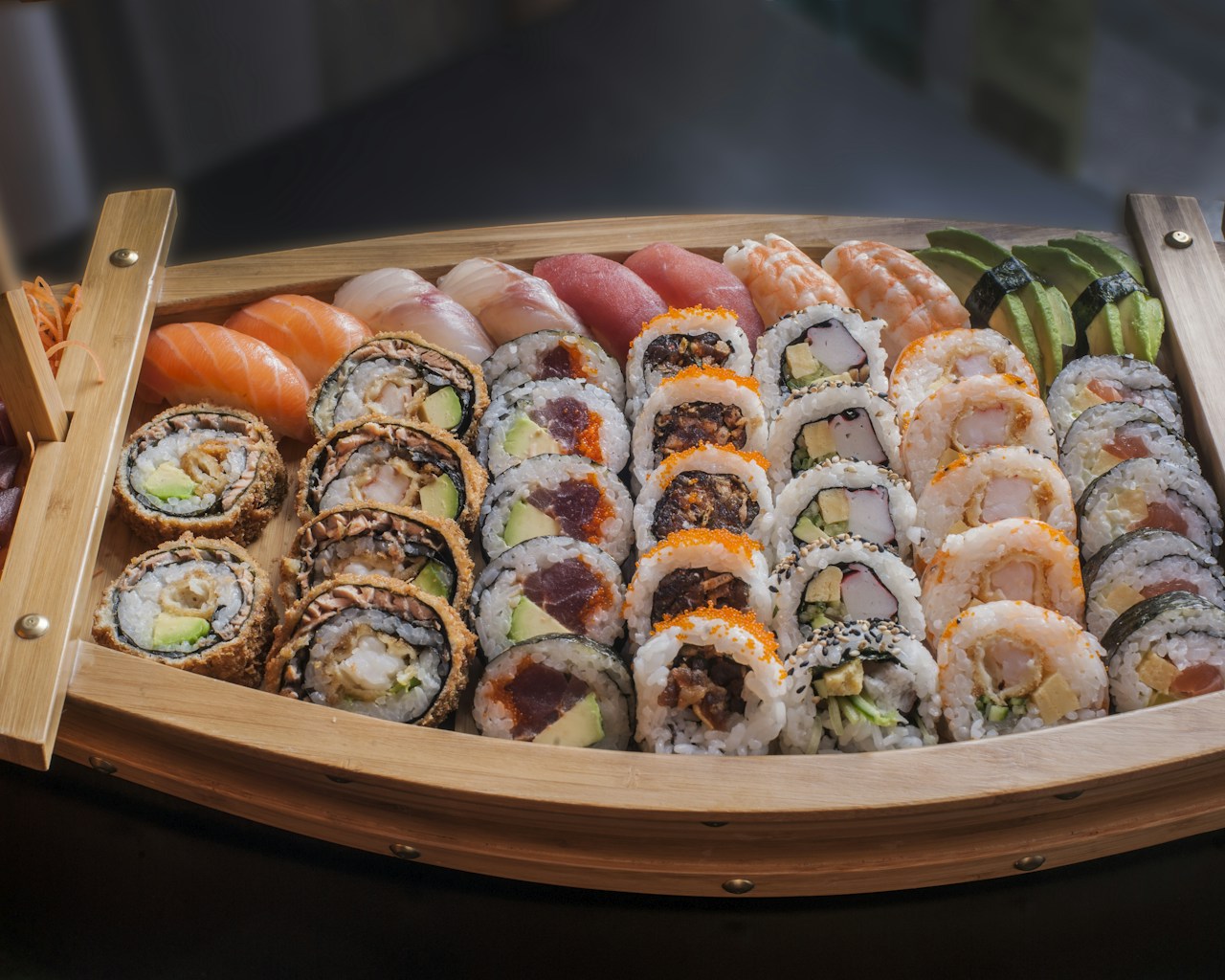
You sit down at a polished wooden counter and open a menu packed with Japanese terms like Akami, Hamachi, Uni, and Engawa. You recognize salmon, but what exactly is Kanpachi, and why does one piece of tuna cost four times more than the one right next to it? Reading a traditional sushi menu can feel like deciphering code, but once you know how fish cuts are classified, ordering becomes effortless.
Read more
Walking into a Nigerian restaurant for the first time can feel like reading a menu written in code. Items are often listed simply as swallow, assorted meat, or pepper soup, with virtually no hints about which bowl pairs with which starch. Order blindly and you might end up dipping sweet plantains into a slippery okra stew or trying to cut a ball of pounded yam with a butter knife.
Read more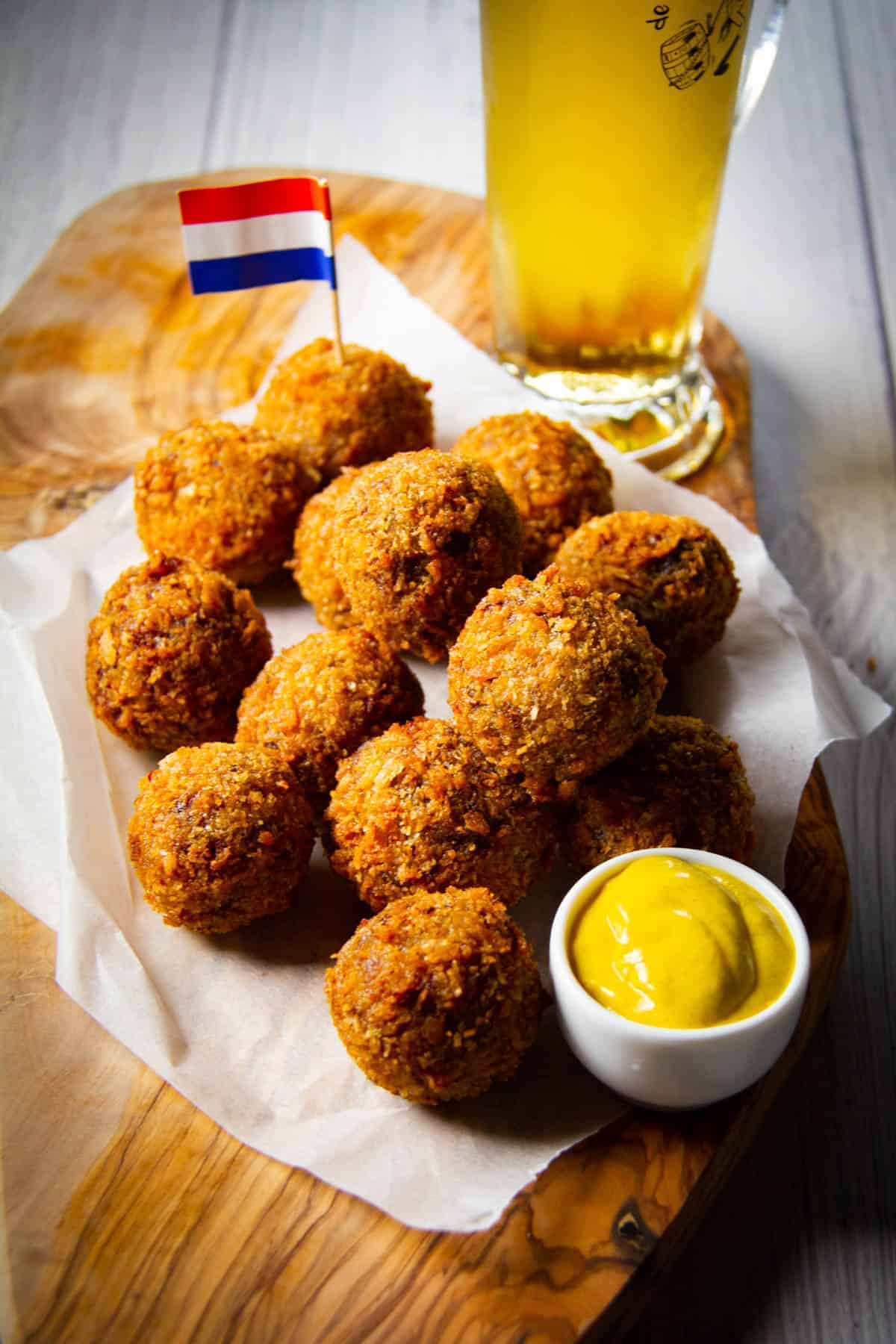
Walking into a dimly lit Amsterdam eetcafé at 5:00 PM usually means squeezing past tight wooden tables, dodging servers balancing trays of draft pilsner, and staring at a chalkboard written entirely in compound Dutch nouns. Words like draadjesvlees and boerenkoolstamppot look more like scrambled alphabet soup than dinner. You want something hot, comforting, and local, but guessing blindly can mean expecting a steak and getting a plate of mashed potatoes laced with raw endive.
Read more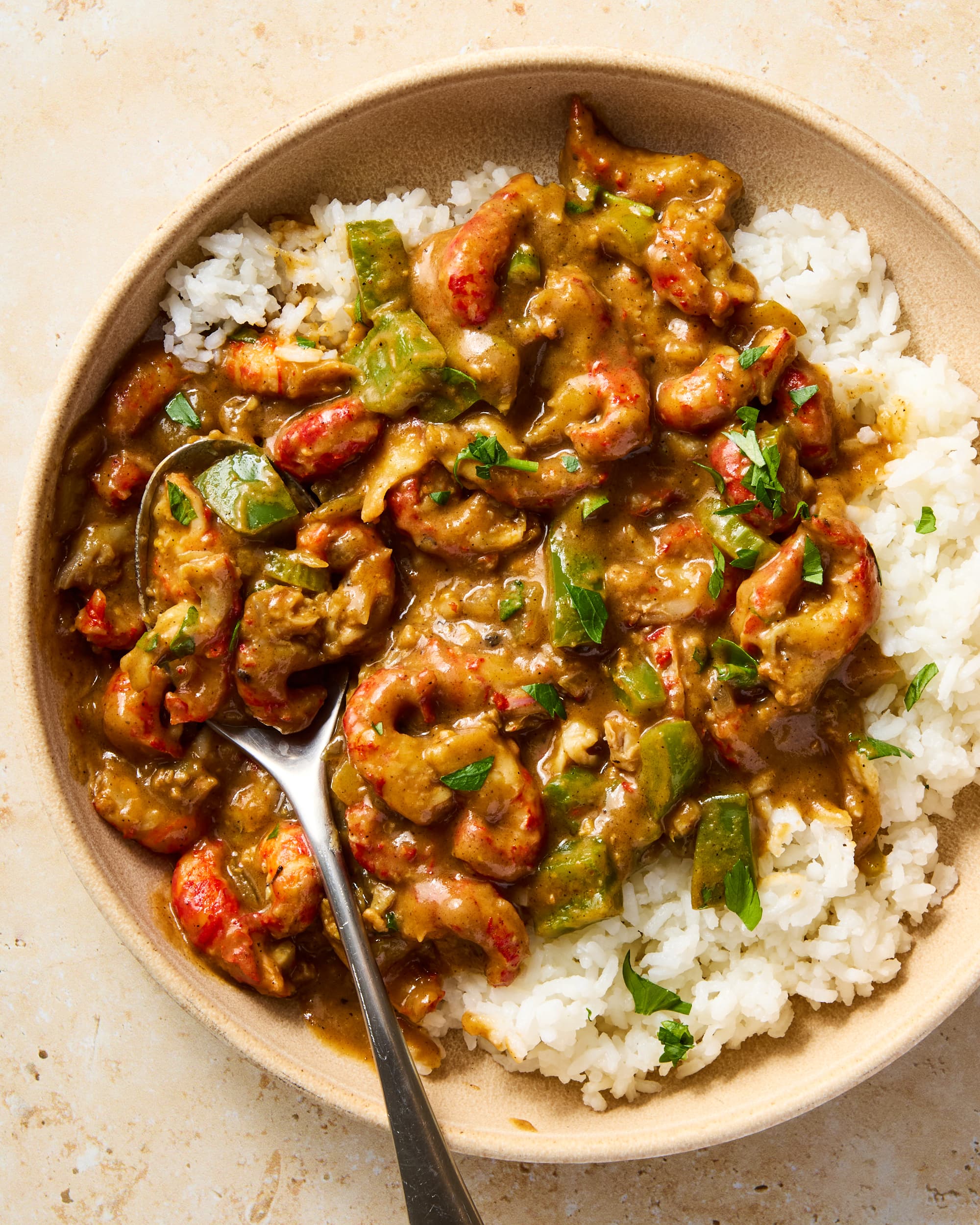
Sit down at a neighborhood spot in South Louisiana, and the menu looks simple at first glance—until you realize four different dishes all start with rice, peppers, and onions, yet taste entirely different. Knowing whether you are getting a city dish or a country dish changes everything on your plate.
Read more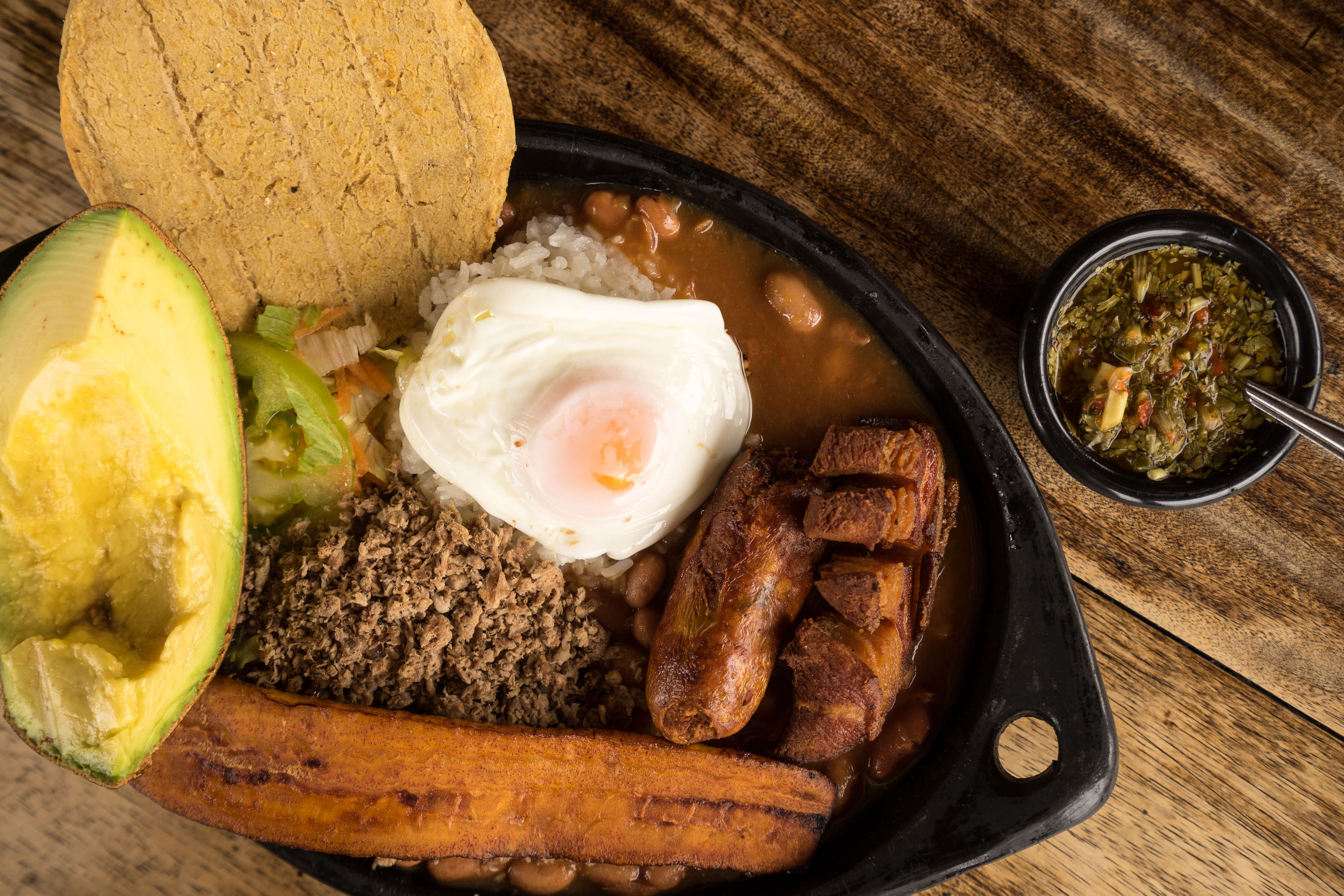
You sit down at a neighborhood Colombian restaurant at 12:30 PM, and before you even open a laminated menu, the server asks if you want beef, chicken, or pork with today's soup. No price is mentioned, everyone around you is eating from identical loaded trays, and a tall glass of frothy passionfruit juice appears on the table automatically.
Read more
You sit under buzzing fluorescent lights at a laminate booth built for two that currently squeezes four adults. A server in a faded apron drops two plastic cups of faint yellow tea on the wet tabletop, taps a ballpoint pen against a scratchpad, and stands over you waiting for your order.
Read more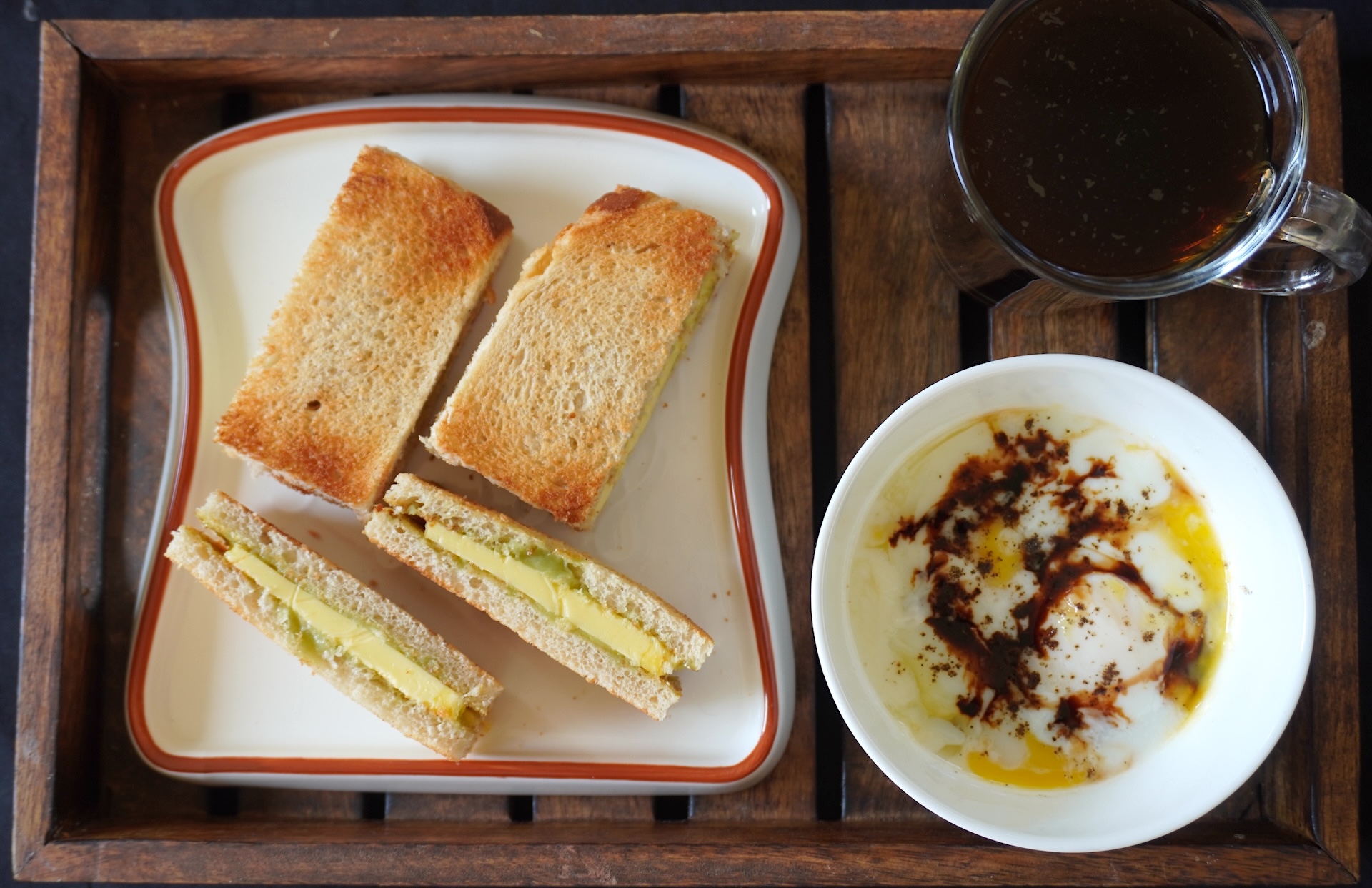
You step into a marble-tabled kopitiam in Penang or Kuala Lumpur at 8:00 AM. Ceiling fans hum overhead, chinaware clatters, and a plastic board on the wall lists dozens of cryptic shorthands like Kopi C Kosong, Cham Peng, and Chee Cheong Fun. When you try to order a simple coffee with milk, the drink uncle stares back waiting for specifics. Here is how to speak the local dialect, get your kaya toast made right, and order with confidence.
Read more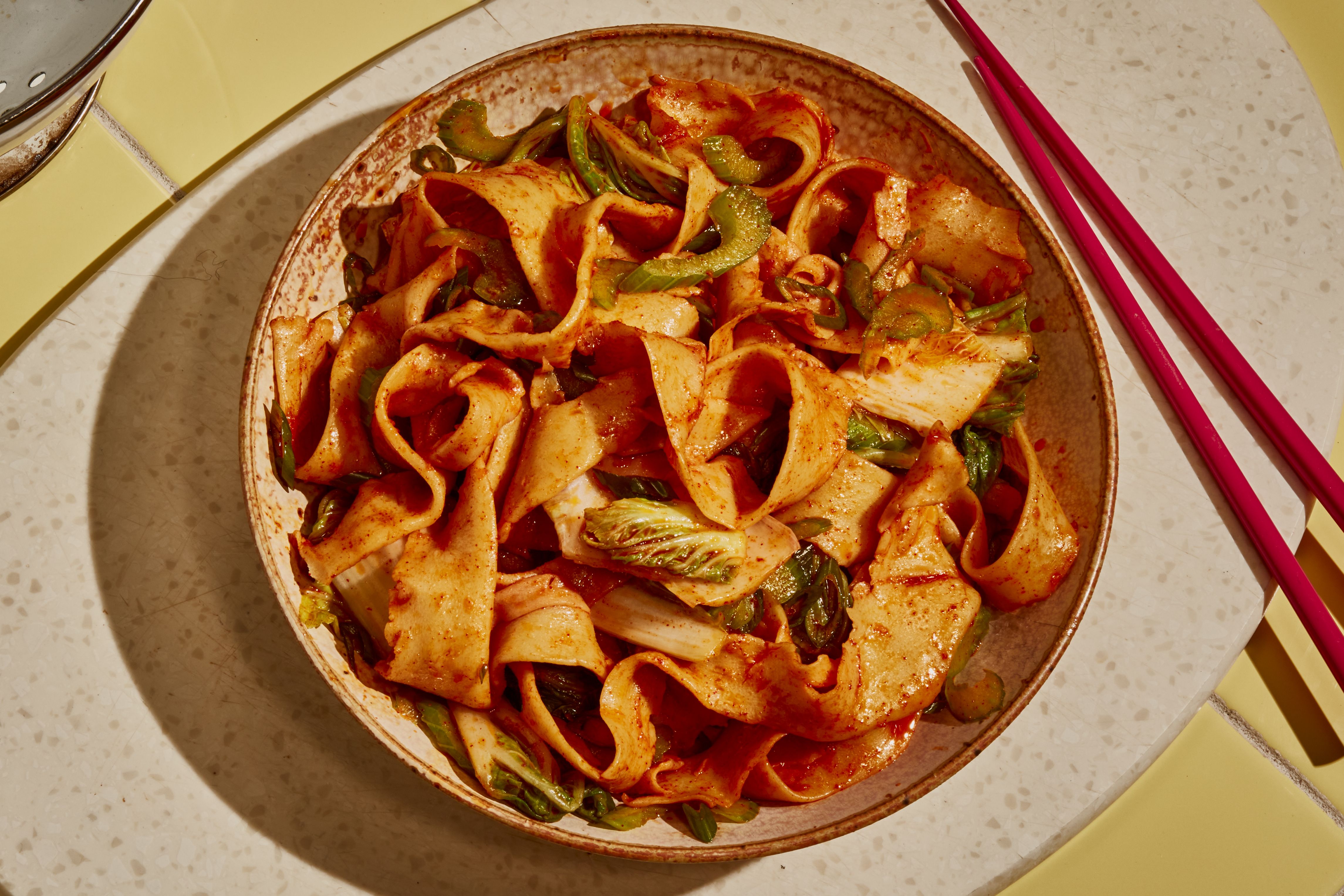
Sitting down at a Shaanxi or Xi'an street food shop usually means facing a wall menu written in rapid-fire Mandarin or literal, confusing translations like 'spicy cumin hamburger' and 'oil splash wide belt'. Here is how to make sense of the thick hand-pulled noodles, braised pork buns, and bread-crumbling stews that make North-Central Chinese cooking so unforgettable.
Read more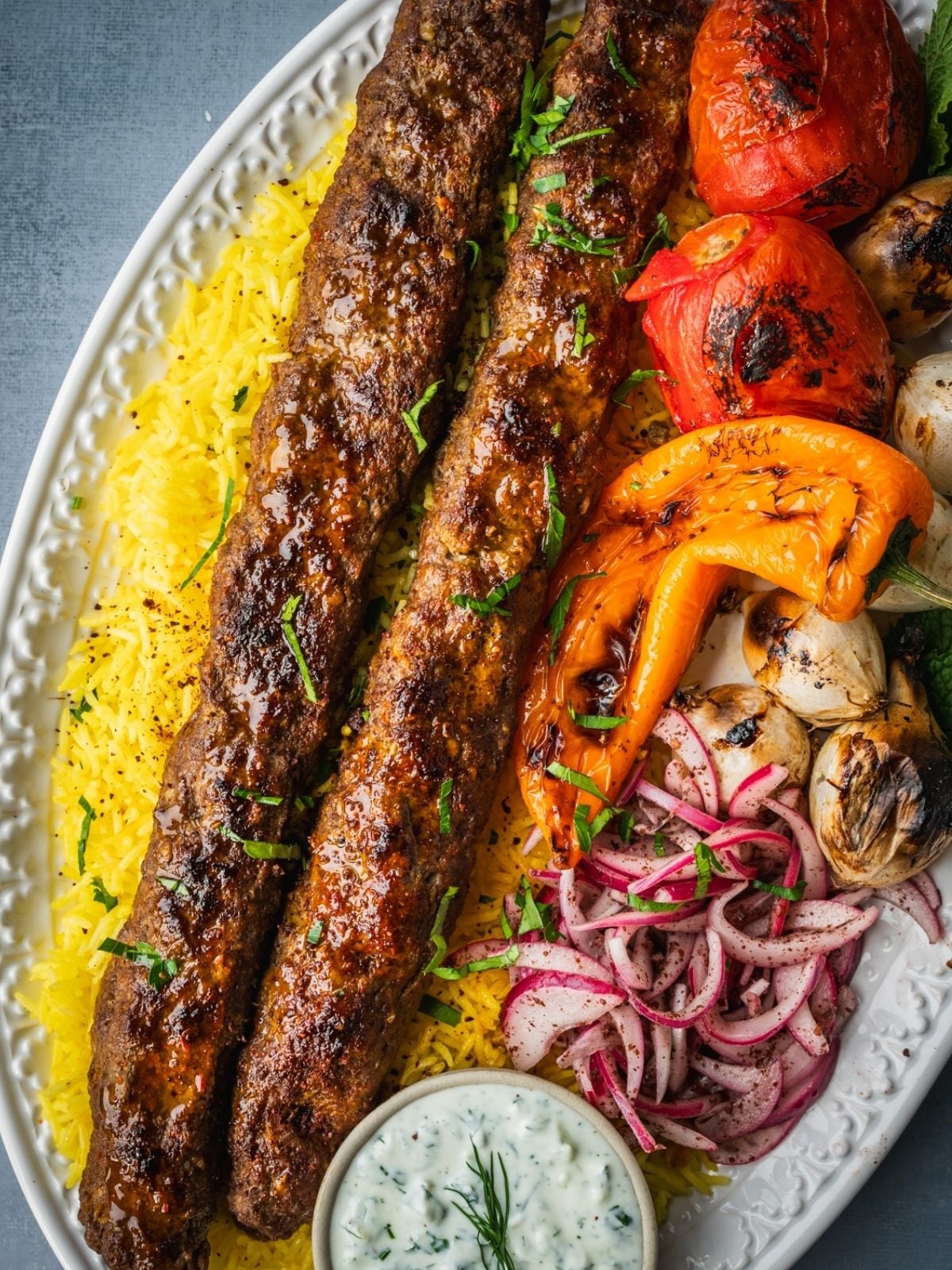
You sit down at a Persian restaurant, and the menu presents a list of kebabs that sound nearly identical on paper, alongside slow-cooked stews served over rice that rely heavily on dried limes and fenugreek. If you do not know the difference between Koobideh and Barg, or why the table beside you is negotiating with the waiter for a plate of crispy dark rice crust, ordering feels like a game of pure chance.
Read more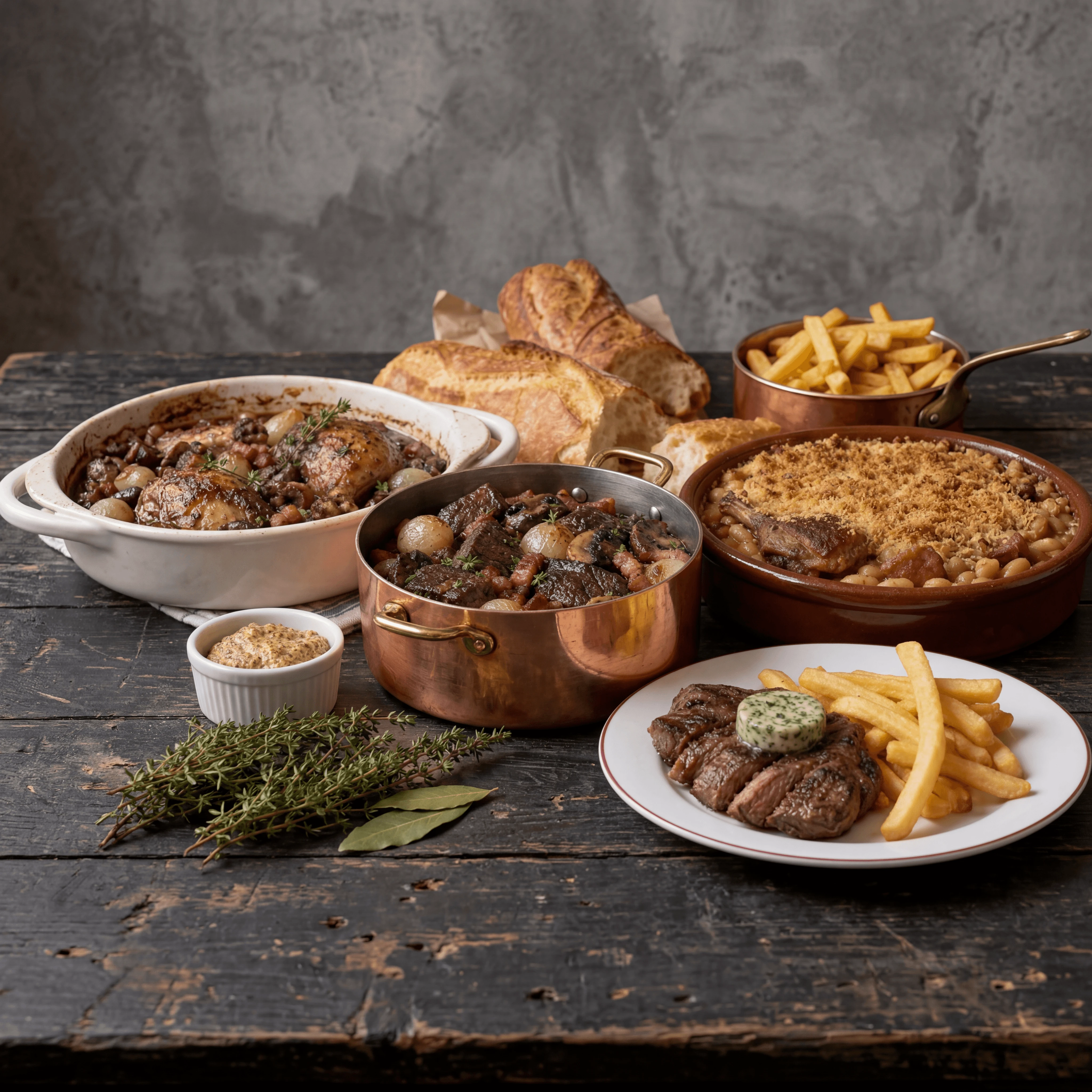
You step off Boulevard Montmartre into a wood-paneled hall that smells like roasted garlic and pan juices, where waiters in black vests dart between tables packed elbow-to-elbow. A waiter takes your order and scribbles the code directly onto your paper tablecloth with a red ballpoint pen. First courses cost three Euros, braised beef costs ten, and a pitcher of red wine costs less than a espresso in London. Welcome to the Parisian bouillon.
Read more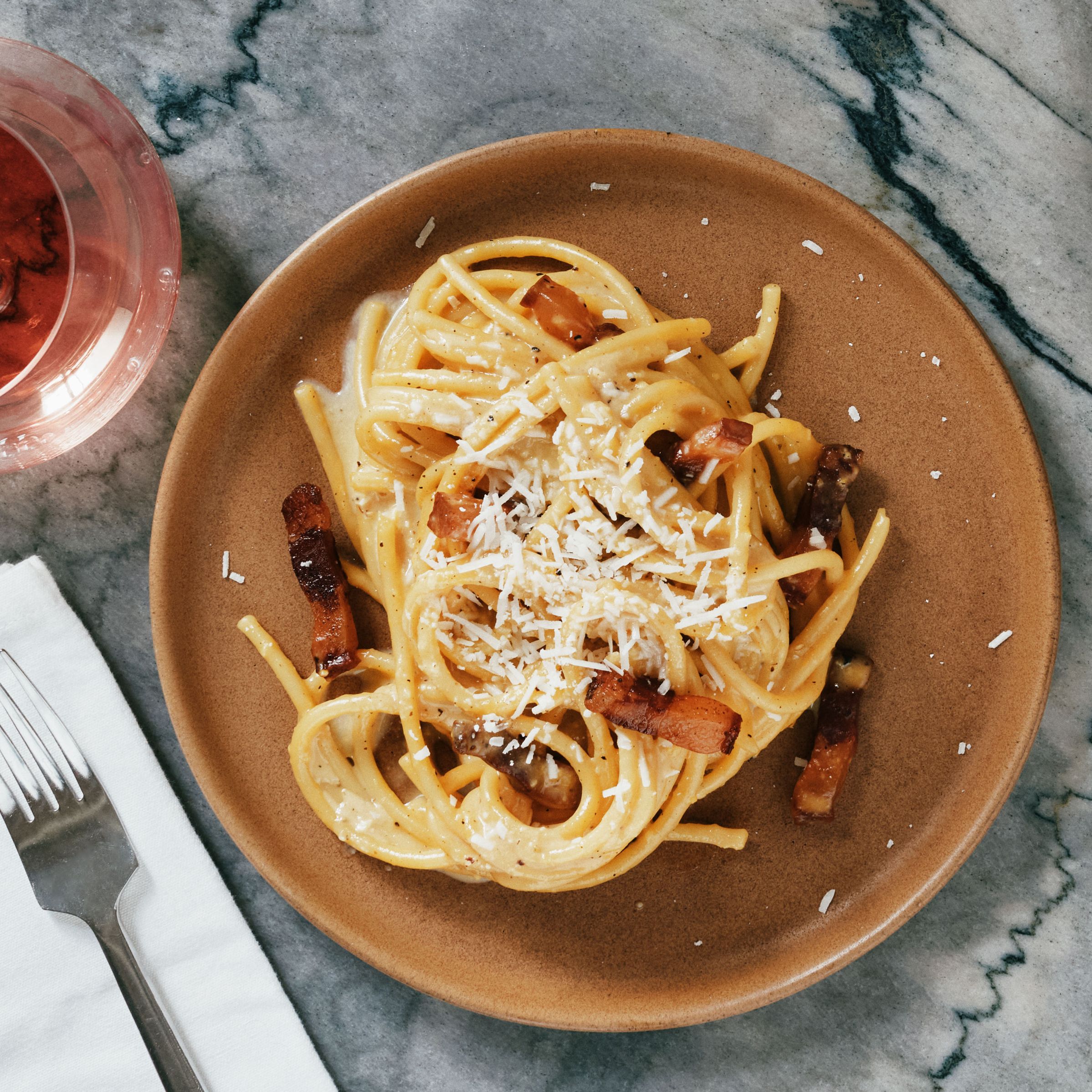
Standing outside a wood-paneled trattoria in Rome's Testaccio neighborhood, you stare at a handwritten paper menu clipped to a wooden clipboard. Beyond carbonara, the page fills with unfamiliar Roman dialect terms like pajata, coda, and puntarelle.
Read moreStop guessing
Reading about food is great. Seeing it before you order is better. Scan any menu and MenuDish matches each dish with real photos, plus ingredients, allergens, and nutrition.
Browse by topic
No spam — just the food worth knowing about, straight to your inbox.
